Choosing the right crypto tipping setup
Selecting a tipping tool involves balancing upfront costs, ongoing fees, and the specific needs of your audience. Unlike traditional payment processors that charge percentage-based fees, crypto tipping often relies on network gas fees or platform subscriptions. Your choice should depend on whether you prioritize low-cost micro-transactions, multi-chain support, or seamless integration with existing content platforms.
For creators looking to embed tipping directly into their workflow, software solutions offer the most flexibility. These tools typically require a one-time purchase or subscription rather than per-transaction cuts, making them ideal for high-volume environments like forums or blogs.


As an Amazon Associate, we may earn from qualifying purchases.
If you are building a community platform, open-source plugins can reduce development overhead. Solutions like those for Discourse allow users to tip each other directly using MetaMask, keeping funds within the ecosystem without external payment gatekeepers. This approach is particularly effective for niche communities where trust and transparency are paramount.
Shortlist real options
Crypto tipping has moved from novelty to standard infrastructure for digital creators. The right tool depends on whether you prioritize speed, cross-chain compatibility, or native integration with existing platforms. Below, we compare the strongest options currently available for seamless Web3 gratuity.
| Tool | Support | Cost | Best For |
|---|---|---|---|
| Discourse Crypto Tip | Ethereum / ERC20 | Network gas | Forums |
| tip.md | Multi-chain (ETH, SOL, BTC) | Network gas | Markdown docs |
| Lightning Network | Bitcoin | Fractions of a cent | Social media |
| Spark.money | Multi-chain | Low fixed fee | Creator dashboards |
Discourse Crypto Tip
This open-source plugin integrates MetaMask directly into Discourse forums. It allows users to transfer ETH or ERC20 tokens to each other without leaving the platform. It is ideal for community-driven spaces where reputation and ongoing engagement matter more than one-off donations.
tip.md
For developers and writers, tip.md offers a simple markdown button. It supports multiple blockchains, including Ethereum, Solana, and Bitcoin. This flexibility makes it a strong choice for technical documentation sites where the audience may already hold diverse crypto assets.
Lightning Network
The Lightning Network made micro-tipping practical by reducing transaction fees to fractions of a cent. Twitter’s adoption of Bitcoin tipping via Lightning demonstrated its viability for social media. It enables tips as small as a single satoshi, removing the friction of traditional payment processors.
Spark.money
Spark.money provides a comparison dashboard for crypto tipping platforms. It helps creators find the best fit for their audience by aggregating data on fees and supported chains. This tool is less of a tipping interface and more of a strategic guide for selecting infrastructure.
Inspect the expensive parts
Crypto tipping looks cheap until a failed transaction or a wrong network drains a wallet. The infrastructure is robust, but the human layer is fragile. One misconfigured setting can turn a $5 tip into a $50 loss in gas fees or a permanently lost asset.
Use this checklist to audit your setup before going live. Focus on the failure points that cost money.

Ensure the recipient’s wallet supports the specific blockchain you are using. Sending Ethereum (ERC-20) to a Bitcoin-only address results in irreversible loss. Check the smart contract address on Etherscan or the equivalent explorer for your chain before distributing links.
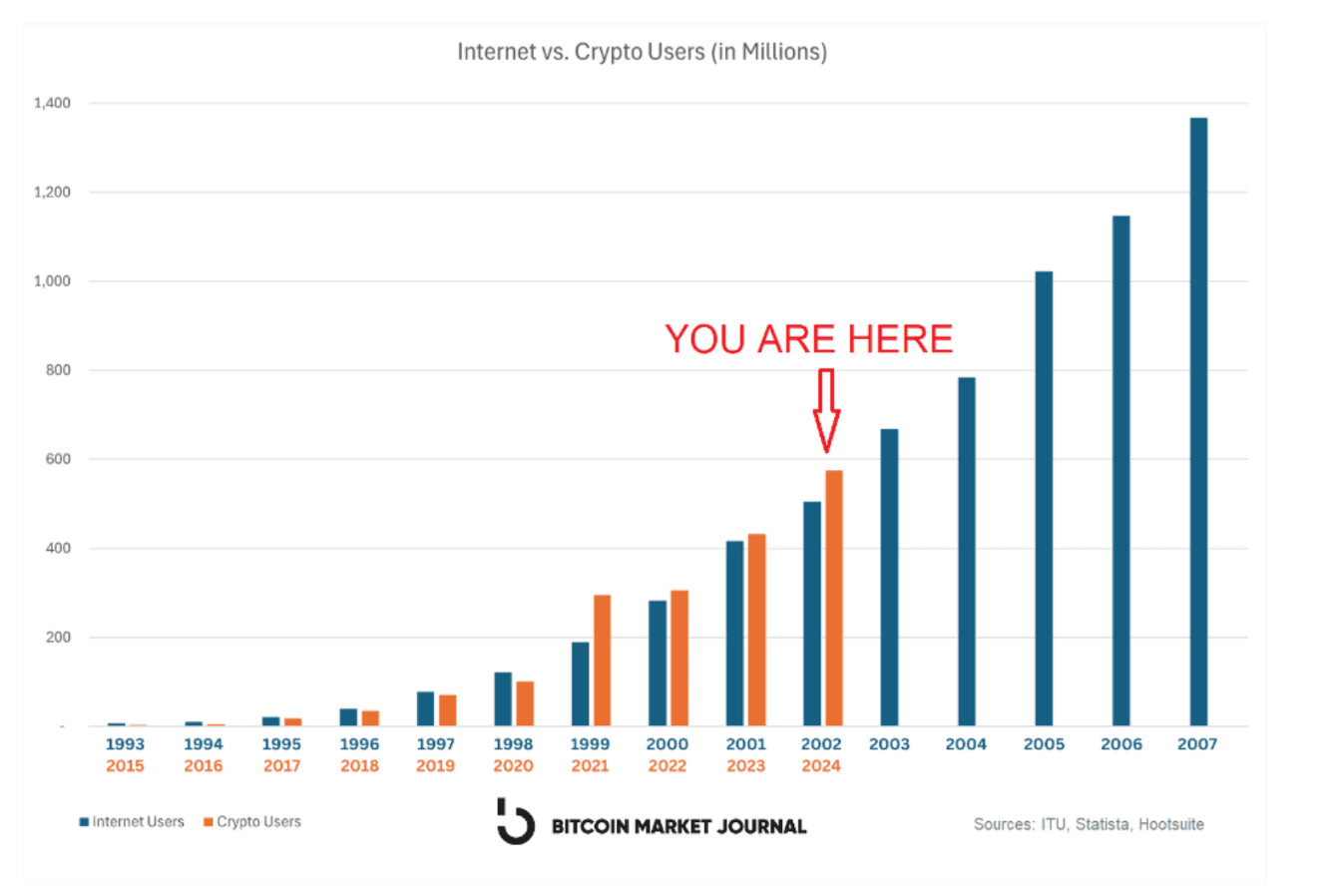
High gas fees make micro-tipping impossible. If your platform uses a high-fee chain like Ethereum Mainnet for small tips, users will abandon the process. Switch to Layer-2 solutions like Arbitrum or Optimism, or use the Lightning Network for Bitcoin tips to keep costs under a fraction of a cent.
Run a live test with a minimal amount. Verify that the recipient receives the funds and that the notification system triggers correctly. Check for edge cases like wallet expiration or insufficient balance in the recipient’s gas token.
Crypto tips are often taxable income. Ensure your platform provides clear transaction histories and exportable CSVs. Ambiguous records make it difficult for recipients to file accurate taxes, leading to compliance issues later.
Check for phishing risks in your tip links. Use reputable platforms like tip.md or Discourse plugins that have been audited. Avoid direct wallet-to-wallet transfers for public tipping unless you are using a verified smart contract.


As an Amazon Associate, we may earn from qualifying purchases.
Plan for ownership costs
A crypto tipping tool is rarely a one-time purchase. The sticker price is just the entry fee; the real cost comes from ongoing maintenance, blockchain fees, and the hidden labor of keeping the system running. When you buy a plugin or hardware wallet, you are buying a responsibility to keep it secure and compatible with a rapidly changing network.
Consider the software side first. Open-source plugins, like the Discourse cryptocurrency tip system or tip.md, may have no upfront license fee, but they require constant attention. Blockchain networks upgrade their protocols regularly. If you do not patch your integration when a new Ethereum hard fork occurs or when Solana changes its transaction structure, your tipping button will break. This downtime means lost tips and a frustrated audience. You are paying with your time to maintain compatibility.
Then there are the network costs. Even if the platform itself is free, the blockchain is not. On high-fee networks like Ethereum during peak hours, a $5 tip might cost $2 in gas fees, effectively reducing the tip by 40%. This makes micro-tipping impossible. Tools that rely on the Lightning Network or Layer-2 solutions solve this by keeping fees near zero, but they introduce their own complexity: liquidity management and wallet reconciliation. A cheap buy stops being cheap when the transaction fees eat your gratuity or when the maintenance burden requires a developer on retainer.
Before committing to a tool, ask three questions: How often does this platform update its code? What are the average transaction fees on the supported chains? Do I have the technical skill to troubleshoot a broken integration at 2 AM? If the answer to any of these is "no," the tool is too expensive for your current setup.


As an Amazon Associate, we may earn from qualifying purchases.
Crypto-enabled tipping: what to check next
What is tipping in crypto?
Crypto tipping is a way for audiences to send small digital payments to content creators, developers, or service providers using cryptocurrencies like Bitcoin or Ethereum. Unlike traditional payment processors that often take 30–50% in fees, crypto tipping platforms—especially those using the Lightning Network—reduce transaction costs to fractions of a cent. This allows users to tip as little as a single satoshi (~$0.001), making micro-gratuity economically viable for both giver and receiver.
Do I need a crypto wallet to receive tips?
Not necessarily. While most crypto tipping requires a self-custody wallet to receive tokens directly, some platforms have integrated with social media or content sites to simplify the process. For example, X (formerly Twitter) allows users to send Bitcoin tips directly to a username, with the platform handling the initial receipt. However, to actually access or withdraw those funds, the recipient will eventually need to link a wallet or exchange account. For creators who want to avoid crypto complexity entirely, fiat-only tipping options remain the safer, more accessible choice.
Is crypto tipping safe and irreversible?
Yes, crypto transactions are irreversible. Once a tip is sent, it cannot be recalled or refunded, which is a fundamental feature of blockchain security but a risk for users who accidentally send funds to the wrong address. Always double-check the recipient’s public address or username before confirming. Additionally, ensure you are using reputable tipping plugins or platforms (like tip.md or Discourse integrations) that have been audited for security. Avoid sharing your private keys or seed phrases with any tipping interface.
How do I choose the right crypto tipping tool?
Look for tools that support the blockchain your audience already uses. If your community is active on Ethereum, an ERC-20 compatible plugin is essential. For lower fees and faster transactions, prioritize tools that leverage the Lightning Network for Bitcoin or Layer-2 solutions for other chains. Check if the tool offers a simple markdown button or seamless integration with your existing platform (like Discourse or WordPress). Avoid platforms that require complex wallet setups for small tips, as friction kills gratuity.
No comments yet. Be the first to share your thoughts!