Crypto-enabled tipping limits to account for
Crypto tipping allows creators to receive direct payments from audiences without intermediaries taking 30-50% cuts. The Lightning Network made this practical by reducing transaction fees to fractions of a cent, enabling tips as small as a single satoshi (~$0.001). This infrastructure shift transforms tipping from a novelty into a viable micro-transaction model for content creators and community builders.
However, the primary constraint is volatility. Unlike fiat currencies, cryptocurrency values fluctuate rapidly. A tip sent in Bitcoin today might be worth significantly more or less by the time the creator converts it to fiat. This risk necessitates immediate conversion strategies or holding stablecoins, which introduces its own regulatory considerations regarding anti-money laundering (AML) compliance.
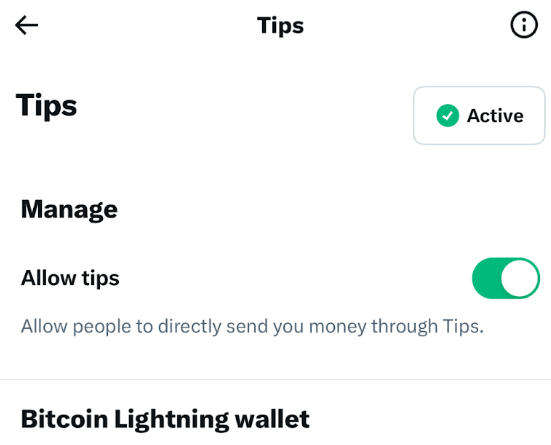
Another significant hurdle is user experience complexity. Most mainstream audiences are not equipped with self-custody wallets or understand gas fees. Platforms like X (formerly Twitter) have attempted to bridge this gap by integrating third-party payment processors that handle the backend complexity. When you turn on Tips on your profile, people can support you by tapping on the Tips icon to send you money or Bitcoin off-platform via these intermediaries [1]. While this improves accessibility, it often reintroduces the very fees and centralization that crypto tipping aims to eliminate.
For businesses and creators, the decision to adopt crypto tipping requires balancing lower transaction costs against higher onboarding friction. The infrastructure exists, but the market is still divided between those who value censorship-resistant, low-fee micro-payments and those who prioritize seamless, familiar user experiences. Understanding these tradeoffs is essential before integrating crypto tipping into a broader monetization strategy.
Crypto-enabled tipping choices that change the plan
Adopting crypto for tipping introduces specific friction points that differ from traditional fiat processors. While the promise of lower fees and direct creator support is compelling, the operational reality involves managing volatility, user experience barriers, and regulatory ambiguity. Evaluating these factors requires looking beyond the headline percentage savings to understand the total cost of adoption for both the tipper and the recipient.
Volatility and Settlement Risk
Unlike fiat payments, crypto assets fluctuate in value. A tip worth $5 in Bitcoin could drop to $4.50 within minutes if the recipient does not immediately convert to fiat or a stablecoin. This volatility creates a hedging problem for creators who rely on tipping income for operational expenses. Platforms that offer instant auto-conversion mitigate this risk but often charge a premium fee, which can erode the savings gained from lower network costs. Recipients must decide whether to hold the asset, accepting market risk, or convert immediately, accepting conversion fees.
User Experience and Friction
The primary barrier to widespread crypto tipping is the complexity for the average user. Sending a tip requires a wallet, understanding gas fees, and managing private keys or seed phrases. Even with simplified interfaces like X’s Tip Jar, which leverages third-party integrations, the cognitive load remains higher than entering a credit card number. This friction limits the volume of micro-tips. While the Lightning Network has reduced transaction fees to fractions of a cent, the onboarding process for new users remains a significant hurdle. If the user cannot easily send the tip, the infrastructure is irrelevant.
Regulatory and Compliance Burden
Crypto tipping platforms operate in a evolving legal landscape. For businesses or high-profile creators, accepting crypto may trigger money transmission licensing requirements depending on the jurisdiction. Unlike traditional payment processors that handle compliance, crypto-native platforms often place the burden of self-custody and transaction monitoring on the user. This introduces potential tax complications, as every tip is a taxable event in many jurisdictions. Organizations must weigh the operational overhead of tracking these transactions against the benefits of lower processing fees.
| Factor | Traditional Fiat | Crypto Tipping |
|---|---|---|
| Transaction Fees | 2-4% + fixed | 0.1-1% (network dependent) |
| Settlement Time | 1-3 business days | Seconds to minutes |
| Volatility Risk | None (stable value) | High (unless stablecoin) |
| User Friction | Low (card entry) | High (wallet management) |
| Compliance Burden | Processor handled | Creator/Platform dependent |
Choose the Next Step: Turn Research Into a Practical Decision Framework
Crypto tipping has moved from niche experiment to standard creator infrastructure. The Lightning Network reduced transaction fees to fractions of a cent, enabling tips as small as a single satoshi. This shift allows creators to receive direct payments without intermediaries taking 30-50% cuts. However, the ecosystem is fragmented across platforms, wallets, and protocols. Selecting the right tool requires matching your audience’s technical comfort with reliable infrastructure.
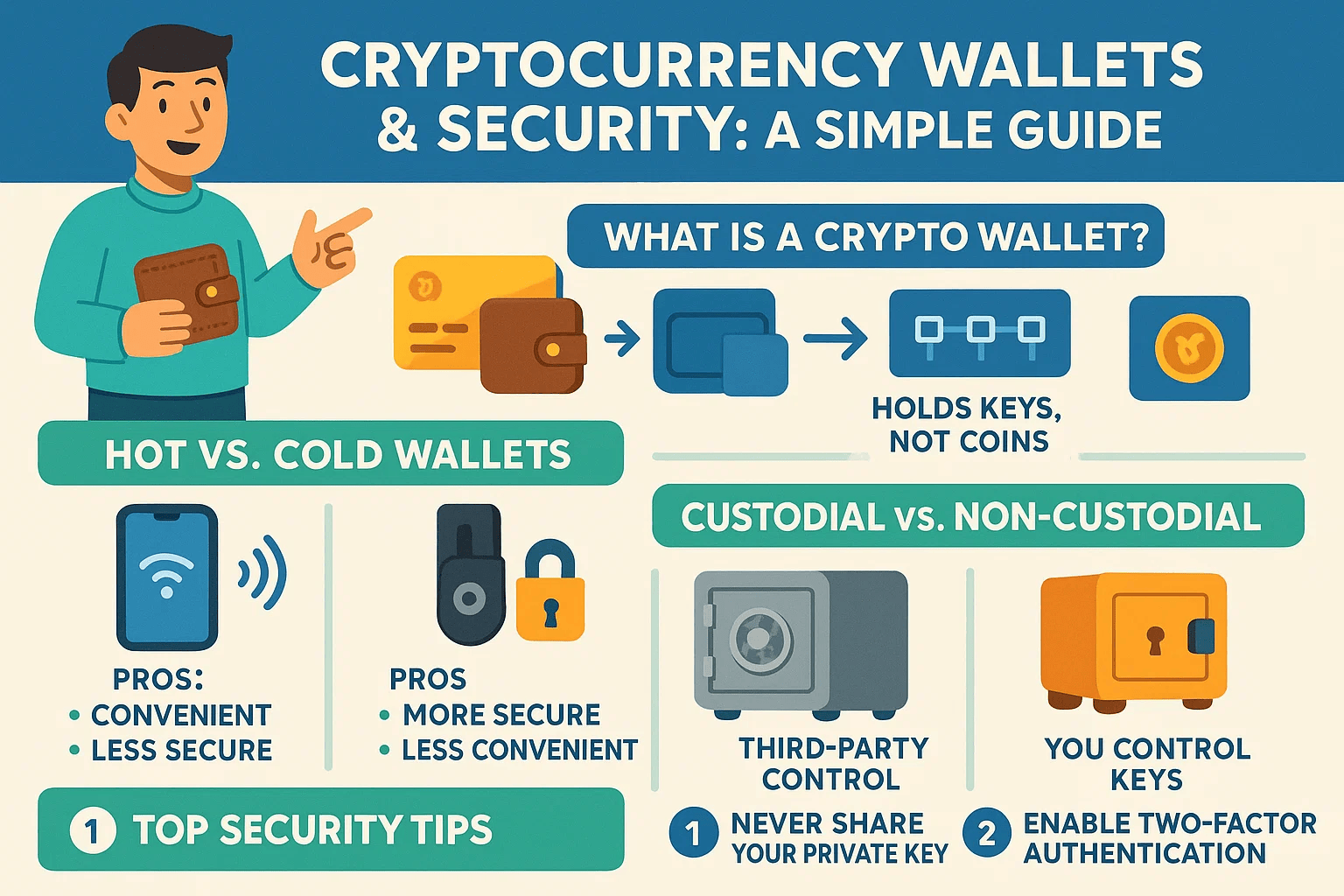
Assess your audience’s familiarity with crypto. If they are casual fans, prioritize platforms with seamless on-ramps like X’s integrated tipping or Lightning-enabled wallets that hide seed phrases. For technical audiences, direct wallet-to-wallet transfers via the Lightning Network offer lower fees and greater privacy. Mismatching this profile leads to abandoned transactions and lost revenue.

Compare the friction of each tool. X’s tipping feature allows supporters to send Bitcoin off-platform via third-party payments, but it may involve higher processing fees than native Lightning channels. Dedicated tipping platforms often charge a percentage per transaction. Calculate the break-even point: how large must a tip be to cover the platform’s cut? For micro-tips, Lightning’s near-zero fees are usually the only viable option.
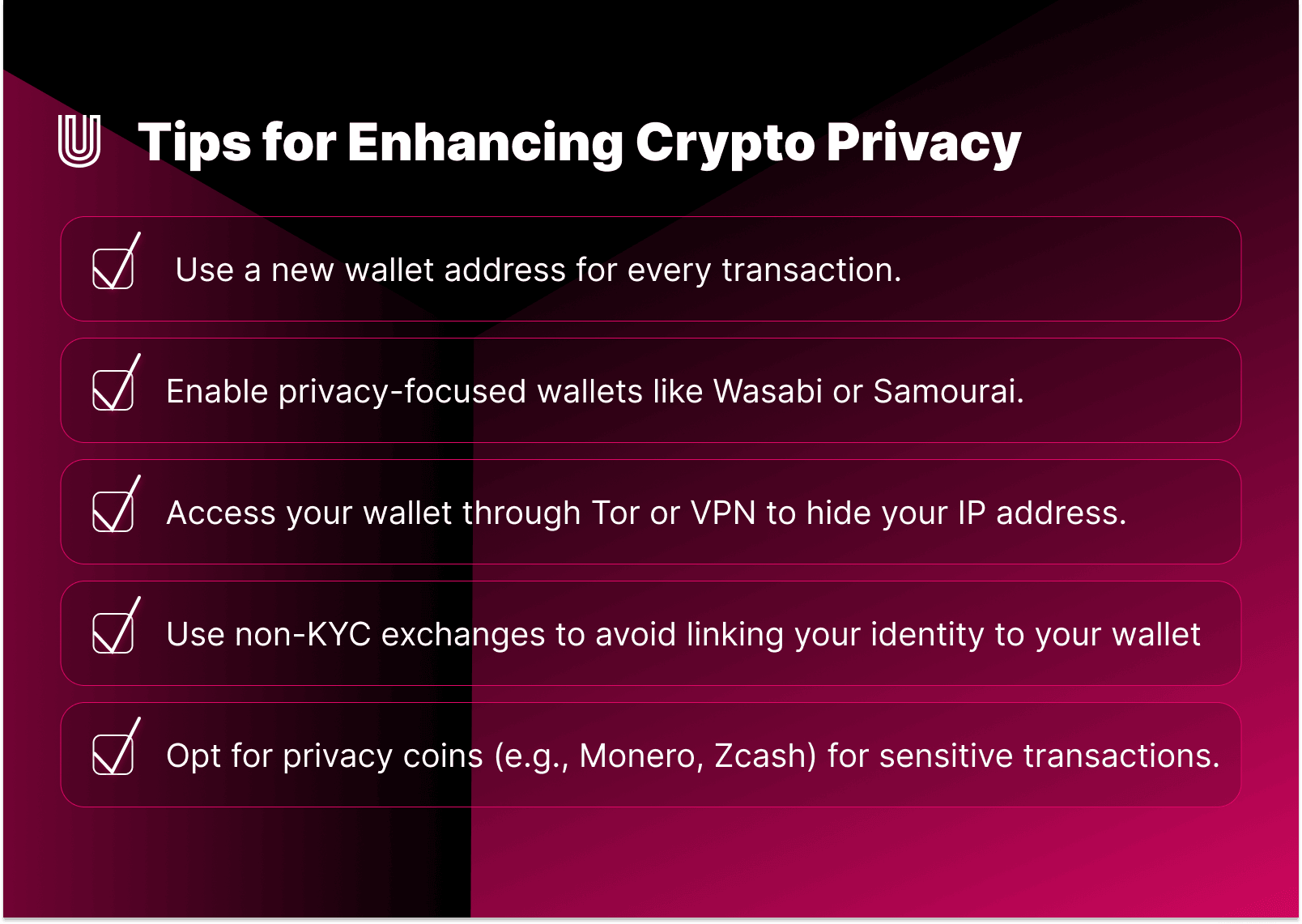
Crypto tips are generally treated as taxable income in most jurisdictions. Ensure your chosen platform provides clear transaction records and receipts. Some platforms offer automated reporting tools, while others require manual tracking. Failure to maintain accurate records can lead to significant compliance issues during tax season. Consult a tax professional familiar with digital assets to structure your receiving wallet properly.
Before announcing your tipping link, perform a test transaction. Use a small amount to verify that the funds arrive in your wallet within seconds. Check that the confirmation email or notification works. Ensure the withdrawal process to fiat or stablecoins is straightforward. A broken or slow user experience damages trust and discourages future support.



As an Amazon Associate, we may earn from qualifying purchases.
Spotting weak options in crypto tipping
Choosing the right crypto tipping infrastructure requires separating marketing hype from operational reality. Many platforms promise "seamless" adoption, but the friction often lies in the backend settlement layers rather than the front-end interface.
The most common mistake is selecting a solution that only supports on-chain transactions without Layer 2 scaling. Without the Lightning Network or similar rollups, transaction fees can exceed the tip amount itself, making micro-tipping economically impossible. Always verify that the platform supports sub-cent transactions; otherwise, the user experience breaks down for small contributions.
Another weak option is relying solely on third-party aggregators that take significant cuts. While platforms like X Tips offer visibility, they route payments through external processors that may not support direct crypto settlement or charge higher fees than dedicated wallets. For creators, direct-to-wallet integrations via Lightning or stablecoin bridges often provide better margins and faster settlement times.
Finally, avoid solutions that lack clear compliance documentation. In a high-stakes regulatory environment, platforms that do not explicitly state their KYC/AML procedures for fiat off-ramps expose both creators and users to unnecessary risk. Prioritize infrastructure that is transparent about its legal standing and settlement partners.
Crypto-enabled tipping: what to check next
What is tipping in crypto?
Crypto tipping is the practice of sending small amounts of cryptocurrency to creators, service workers, or community members as a gesture of appreciation. Unlike traditional platforms that route payments through intermediaries taking 30-50% cuts, crypto tipping enables direct peer-to-peer transfers. This infrastructure allows for micro-transactions as small as a single satoshi (~$0.001) via the Lightning Network, making digital tips practically frictionless.
Do I need a crypto wallet to receive tips?
Yes, you need a wallet address to receive crypto tips. For creators, this often means integrating a tipping button on social profiles or websites. Platforms like X (formerly Twitter) allow users to link third-party payment processors to their profiles, enabling followers to send Bitcoin or stablecoins directly. For service workers, a simple QR code linked to a wallet address is often sufficient for in-person transactions.
What is the tax treatment of crypto tips?
In most jurisdictions, including the United States, crypto tips are treated as taxable income. The fair market value of the cryptocurrency at the time of receipt is subject to income tax. If you receive tips as an employee, they may also be subject to payroll taxes. It is essential to track the USD value of each transaction at the moment of receipt to ensure accurate reporting and compliance with local tax laws.
Which cryptocurrencies are best for tipping?
Bitcoin (via the Lightning Network) and Ethereum (via Layer 2 solutions) are the most common choices due to low fees and high liquidity. Stablecoins like USDC or USDT are also popular for their price stability, eliminating volatility risk for both the tipper and the recipient. The choice depends on your audience's preferences and the specific blockchain ecosystem where the interaction occurs.
No comments yet. Be the first to share your thoughts!