The rails behind crypto tipping
Crypto-enabled tipping infrastructure is the stack of technologies that moves value from a sender to a creator without traditional banking delays or high fees. It is not a single app but a layered system. At the base are the blockchain networks themselves, which act as the settlement layer. Above them sit application-layer tools that translate on-chain transactions into user-friendly actions, like sending a tip via a social media username.
The underlying blockchain layers
The foundation of any crypto tipping system is the blockchain network. Layer-1 chains like Bitcoin or Ethereum provide security and decentralization, but their native transaction speeds and costs often make micro-tipping impractical. A standard Ethereum transaction can cost several dollars, rendering it useless for a $0.50 tip. This is why Layer-2 scaling solutions have become critical. Networks like the Lightning Network or Optimistic Rollups process transactions off the main chain, drastically reducing fees to fractions of a cent and increasing speed. Without these scaling layers, the economics of tipping would collapse under the weight of network gas fees.
Application-layer tools
While the blockchain handles the settlement, application-layer tools handle the user experience. These platforms abstract away the complexity of wallet addresses and private keys. They allow users to send crypto using familiar identifiers, such as an X (formerly Twitter) username or a QR code. For example, integrations like BitBit on X leverage protocols like Spark to enable direct Bitcoin tipping. This layer is where the "tipping" happens visually and interactively. It connects the creator's digital wallet to the platform's interface, making the transfer feel instant and simple, even if the underlying settlement takes a few seconds to confirm on the blockchain.
Why the distinction matters
Understanding this split is essential for creators and platforms. If you rely solely on a Layer-1 chain without a scaling solution, your tips will be expensive and slow. If you use a scaling solution without a good application layer, your users will struggle with complex wallet management. The most effective crypto-enabled tipping infrastructure combines both: a fast, cheap settlement layer paired with an intuitive interface that hides the complexity from the end user.
Adoption trends in crypto-enabled tipping infrastructure
The conversation around crypto tipping has shifted. We are no longer watching a niche experiment where enthusiasts trade digital collectibles; we are observing the maturation of utility-driven infrastructure. In 2026, the focus is less on speculative holding and more on the frictionless movement of value. This transition is the core of modern crypto-enabled tipping infrastructure, where the technology recedes into the background and the transaction becomes the product.
The market is approaching a critical threshold. Industry analysis suggests that surpassing 10% penetration in digital asset adoption signals a major inflection point, similar to early mobile payment cycles. When network effects amplify, the cost of micro-transactions drops, and the volume of small, daily tips increases. This is not just about volume; it is about the structural change in how creators interact with their audiences. The infrastructure now supports transactions as small as a single satoshi, making tipping viable for everyday interactions rather than just viral moments.
To understand the current state of the market, it helps to look at the asset values driving these transactions. The volatility of these assets remains a factor, but the infrastructure is designed to handle it through immediate settlement or stablecoin routing.
This shift from speculation to utility is evident in the data. Platforms leveraging the Lightning Network or similar layer-2 solutions are seeing higher retention rates because the cost of sending a tip is negligible. The infrastructure is no longer a barrier; it is an enabler. As adoption climbs, the distinction between "crypto" and "traditional" tipping will blur, leaving only the superior efficiency of the underlying protocol.
Choosing the right crypto tipping infrastructure
Selecting the right infrastructure for crypto-enabled tipping infrastructure isn't just about picking a wallet; it's about balancing cost, speed, and user experience. The goal is to make the transaction invisible to the recipient while ensuring the sender doesn't lose a fortune in fees. For micro-transactions like tips, even a $0.50 network fee can render the feature useless, turning a gesture of appreciation into a financial loss.
Layer-1 vs. Layer-2: The Cost Reality
Bitcoin's native Layer-1 blockchain is secure but often too slow and expensive for small tips. During peak times, fees can spike, making a $1 tip cost more than the tip itself. This is where Layer-2 solutions like the Lightning Network come in. They enable instant, near-zero-fee transactions, making them ideal for the high-frequency, low-value nature of tipping. However, liquidity management can be complex for the recipient, who needs to have channels open to receive funds easily.
Stablecoins and SocialFi Integrations
Some platforms are bypassing the volatility of Bitcoin by using stablecoins or integrating directly into social apps. For instance, recent launches like Bitcoin tipping on X via BitBit and Spark allow users to send payments directly via usernames. This approach leverages existing social graphs, reducing friction. The infrastructure here is less about the blockchain itself and more about the bridge between the social platform and the wallet, often relying on underlying Layer-2 or sidechain technologies for speed.
Comparison of Infrastructure Options
| Protocol/Platform | Typical Fee per Tip | Settlement Time | Best For |
|---|---|---|---|
| Bitcoin Lightning | < $0.001 | Instant | High-volume, small-value tips |
| Bitcoin Mainnet | $0.10 - $5.00+ | 10-60 mins | Large, one-off donations |
| Ethereum (L2) | $0.01 - $0.10 | < 1 min | Users already on Ethereum ecosystem |
| SocialFi (e.g., Spark) | Varies (often subsidized) | Instant | Casual tipping via social handles |
Live Market Context
The cost of tipping is also influenced by the underlying asset's volatility and network congestion. While fees on Layer-2s are generally stable, the value of the tip itself can fluctuate. Keeping an eye on market trends helps creators understand the real-world value of their earnings.
Making the Decision
For most creators, a hybrid approach works best. Offer Lightning Network or stablecoin options for daily, small tips, while keeping mainnet addresses for larger, intentional donations. This strategy accommodates both casual fans who want to tip a few sats and supporters who want to send a significant amount without worrying about network fees.
Essential tools for deployment
Setting up a crypto-enabled tipping infrastructure requires the right mix of software platforms and hardware. You need tools that handle low fees, instant settlement, and easy user onboarding. Without the right stack, even small tips can become unviable due to network congestion or high gas fees. The goal is to make receiving a tip as frictionless as sending one.
Lightning Network-compatible wallets
For Bitcoin-based tipping, the Lightning Network is the standard. It reduces transaction costs to fractions of a cent, allowing creators to receive tips as small as a single satoshi. Wallets like Wallet of Satoshi or Muun are popular because they abstract away the complexity of seed phrases and on-chain transactions for the average user. This accessibility is critical; if the recipient has to manage complex private keys, the tipping flow breaks. Look for wallets that offer QR code scanning and instant balance updates.
Crypto tipping platforms and bots
Software solutions like TipRank, Lightspark, or custom Telegram bots automate the receipt of crypto. These platforms integrate with social media or websites, providing a simple "tip" button that generates a unique payment request. They handle the routing of funds to your primary wallet while offering analytics on who tipped and how much. For content creators, these tools often include features like leaderboards or shout-outs, which incentivize audience participation. Ensure the platform you choose supports the specific cryptocurrencies your audience holds, with Bitcoin and Lightning being the most common for micro-tipping.
Hardware wallets for security
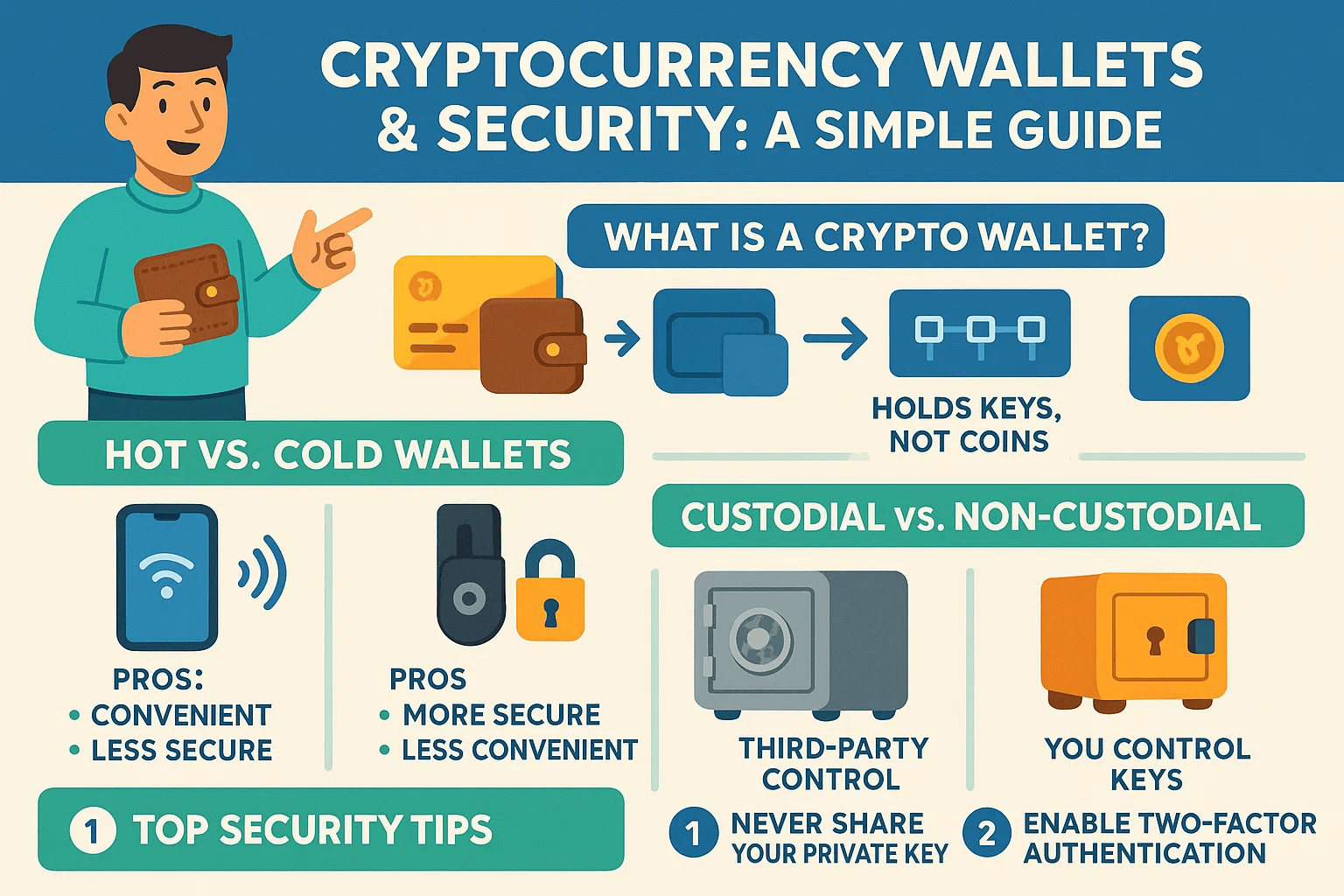
While hot wallets are convenient for frequent small transactions, securing your accumulated tips requires cold storage. Hardware wallets like the Trezor Model T or Ledger Nano X provide an offline environment for your private keys. This is essential for long-term holders who want to protect their crypto-enabled tipping infrastructure from online threats. You can use a hardware wallet to receive tips via a watch-only address, then periodically sweep the funds into cold storage. This hybrid approach balances accessibility for daily tips with robust security for larger balances.


As an Amazon Associate, we may earn from qualifying purchases.
No comments yet. Be the first to share your thoughts!