How crypto tipping works
Crypto tipping is a direct-payment mechanism that removes intermediaries from the transaction. Instead of routing support through a platform that takes a 30-50% cut, audiences send value directly to creators. This shift restores the economic relationship between supporters and the people they want to reward.
The Lightning Network made this practical for everyday use. By reducing transaction fees to fractions of a cent, it enabled tips as small as a single satoshi (~$0.001). This efficiency allows for micro-support that would be impossible on traditional payment rails or slower blockchains.
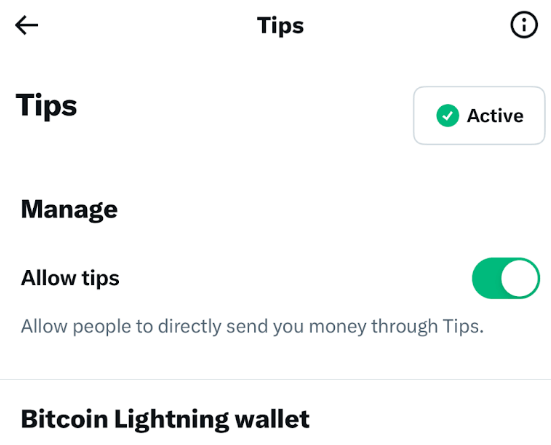
Major platforms have recognized this utility. X (formerly Twitter) integrated crypto tipping as a standard feature, allowing users to send Bitcoin directly to creators. Similarly, communities like Discourse have implemented open-source plugins to facilitate ETH and ERC20 token transfers between users. These integrations demonstrate that direct crypto support is no longer a niche experiment but a functional part of the digital economy.
Market infrastructure and key tools
The infrastructure for crypto-enabled tipping has moved from niche experiments to standardized integrations. Creators now choose between platform-native features, open-source plugins for community forums, and universal markdown buttons that work across any website. Each approach serves a different audience and technical comfort level.
Platform-native tipping integrates directly into social media. Twitter’s implementation, for example, allows users to tip content creators in Bitcoin directly through the platform interface. This removes the friction of external wallets but limits the tip to a single asset and platform ecosystem. It is convenient for casual users but offers little flexibility for creators who operate across multiple channels.
For community-driven platforms, open-source plugins provide more control. The Discourse cryptocurrency tip system, for instance, integrates with MetaMask to allow users to transfer ETH or ERC20 tokens directly to each other within the forum. This keeps funds on-chain and transparent, appealing to users who prioritize sovereignty over convenience. It requires technical setup but avoids platform fees entirely.
Universal solutions like tip.md offer a middle ground. These tools generate a simple markdown button that supports multiple blockchains, including Ethereum, Solana, and Bitcoin. This approach is ideal for bloggers and independent creators who want to accept tips on their own websites without building custom payment gateways. It abstracts away the complexity of wallet connections while maintaining multi-chain compatibility.
Comparison of Tipping Infrastructure
| Tool Type | Platform | Chain Support | Ease of Integration | Target Audience |
|---|---|---|---|---|
| Native Integration | Twitter/X | Bitcoin | Low (Platform-controlled) | General social users |
| Open-Source Plugin | Discourse | ETH, ERC20 | Medium (Technical setup) | Community admins |
| Markdown Button | tip.md | ETH, SOL, BTC | High (Copy-paste code) | Independent creators |
Recommended Tools for Creators
For creators looking to implement crypto tipping, the choice depends on where their audience lives. If your community is primarily on social media, native integrations are the lowest-friction option. For those running independent blogs or forums, open-source plugins or markdown buttons offer greater control and multi-chain support.



As an Amazon Associate, we may earn from qualifying purchases.
Market Context
The viability of crypto tipping is closely tied to transaction costs and network congestion. When fees spike, even small tips become impractical. This is why multi-chain support has become a standard feature in modern tipping tools. By offering options across Ethereum, Solana, and Bitcoin, creators can choose the most cost-effective chain for their audience at any given time.
Market research and adoption trends
Adoption of crypto tipping is driven by the demand for lower fees and greater financial sovereignty. Creators are increasingly moving away from centralized platforms that impose high transaction fees and restrictive terms. Instead, they are adopting decentralized solutions that allow them to retain more of their earnings and interact directly with their audience.
The growth of the Lightning Network has been a significant catalyst for this shift. By enabling instant, low-cost Bitcoin transactions, it has made micro-tipping economically viable. This has led to a surge in tipping activity on social media platforms and community forums that have integrated Lightning support.
The integration of crypto tipping into mainstream platforms like X (formerly Twitter) has legitimized the practice and exposed it to a broader audience. This mainstream adoption is likely to continue as more platforms recognize the benefits of direct, peer-to-peer value transfer.
Compliance and risk management
Crypto tipping moves fast, but financial regulations do not. For platforms facilitating these micro-transactions, the regulatory environment is high-stakes. You are not just building a payment rail; you are operating within a framework that demands strict adherence to anti-money laundering (AML) and know-your-customer (KYC) standards. Ignoring these requirements invites severe penalties, account freezes, and loss of license.
The core challenge lies in the pseudonymous nature of blockchain. Unlike traditional banking, where identity is verified upfront, crypto addresses are just strings of characters. To comply, platforms must implement robust identity verification protocols. This means requiring users to submit government-issued ID and proof of address before they can withdraw significant funds or access higher-tier features. Without this "gatekeeper" step, your platform becomes a conduit for illicit activity.
AML and KYC requirements
Anti-Money Laundering (AML) and Know Your Customer (KYC) are not optional add-ons; they are foundational. Financial institutions and non-bank payment processors must verify the identity of their customers and monitor transactions for suspicious patterns. For crypto tipping, this translates to screening users against sanctions lists and monitoring for unusual transaction volumes. A single tip might be small, but a pattern of rapid, high-volume tips can signal layering—a common money laundering technique.
Regulators expect platforms to maintain detailed records of all transactions. This includes the origin of funds, the destination wallet, and the identity of the parties involved. If you fail to keep these records or cannot produce them during an audit, you risk being shut down. The burden of proof is on you to demonstrate that you are not facilitating crime.
Monitoring and reporting
Transaction monitoring is the second pillar of compliance. Automated systems should flag transactions that deviate from normal behavior, such as tips coming from high-risk jurisdictions or addresses linked to known mixers. These alerts must be investigated promptly, and suspicious activity reports (SARs) must be filed with relevant authorities when necessary.
The regulatory landscape is evolving, but the principles remain clear: know your customer, monitor your transactions, and report suspicious activity. Platforms that treat compliance as an afterthought are building on sand. Those that integrate it into their core infrastructure are building trust. Trust is the most valuable currency in crypto, and it is earned through transparency and adherence to the law.
For a broader view of the market dynamics that influence these platforms, consider the current volatility in the crypto space.
Staying compliant is not just about avoiding fines; it is about ensuring the longevity and legitimacy of your platform. As crypto adoption grows, so will the scrutiny. Proactive compliance is your best defense.
Build a compliant crypto tipping strategy
Crypto tipping shifts value directly from audience to creator, bypassing the 30% to 50% cuts typical of traditional payment processors. The Lightning Network has made this practical by reducing transaction fees to fractions of a cent, allowing tips as small as a single satoshi. However, implementing this feature requires more than just adding a wallet address; it demands a robust compliance framework to navigate financial regulations.
Select a provider-backed architecture
Choose a wallet infrastructure that supports multiple chains but prioritizes low-fee networks for microtransactions. For platforms like X, integrating with established providers like X Wallet ensures compatibility with existing user bases. For independent sites, open-source plugins like the Discourse Metamask integration offer a starting point, while markdown-based tools like tip.md provide lightweight solutions for developers.
Implement strict KYC and AML protocols
Compliance is non-negotiable. Financial institutions must build defensible programs that identify crypto exposure and assess risk. Implement Know Your Customer (KYC) checks for larger tips and Anti-Money Laundering (AML) screening to prevent illicit flows. This protects your platform from regulatory scrutiny and ensures long-term sustainability.
Optimize the user experience
Friction kills tipping. Ensure the interface is intuitive, guiding users through wallet connections and transaction confirmations without confusion. Provide clear feedback on transaction status and fees. A seamless experience encourages repeat tipping and builds trust between creators and their audiences.
Monitor and adapt
Market conditions change. Monitor gas fees and network congestion to adjust tipping thresholds or suggest optimal times for transactions. Stay updated on regulatory changes and adapt your compliance strategy accordingly. Regular audits of your wallet security and transaction logs will help maintain a safe environment for all users.
Identify where crypto payments fit into your existing workflow. Map out user journeys and potential friction points.
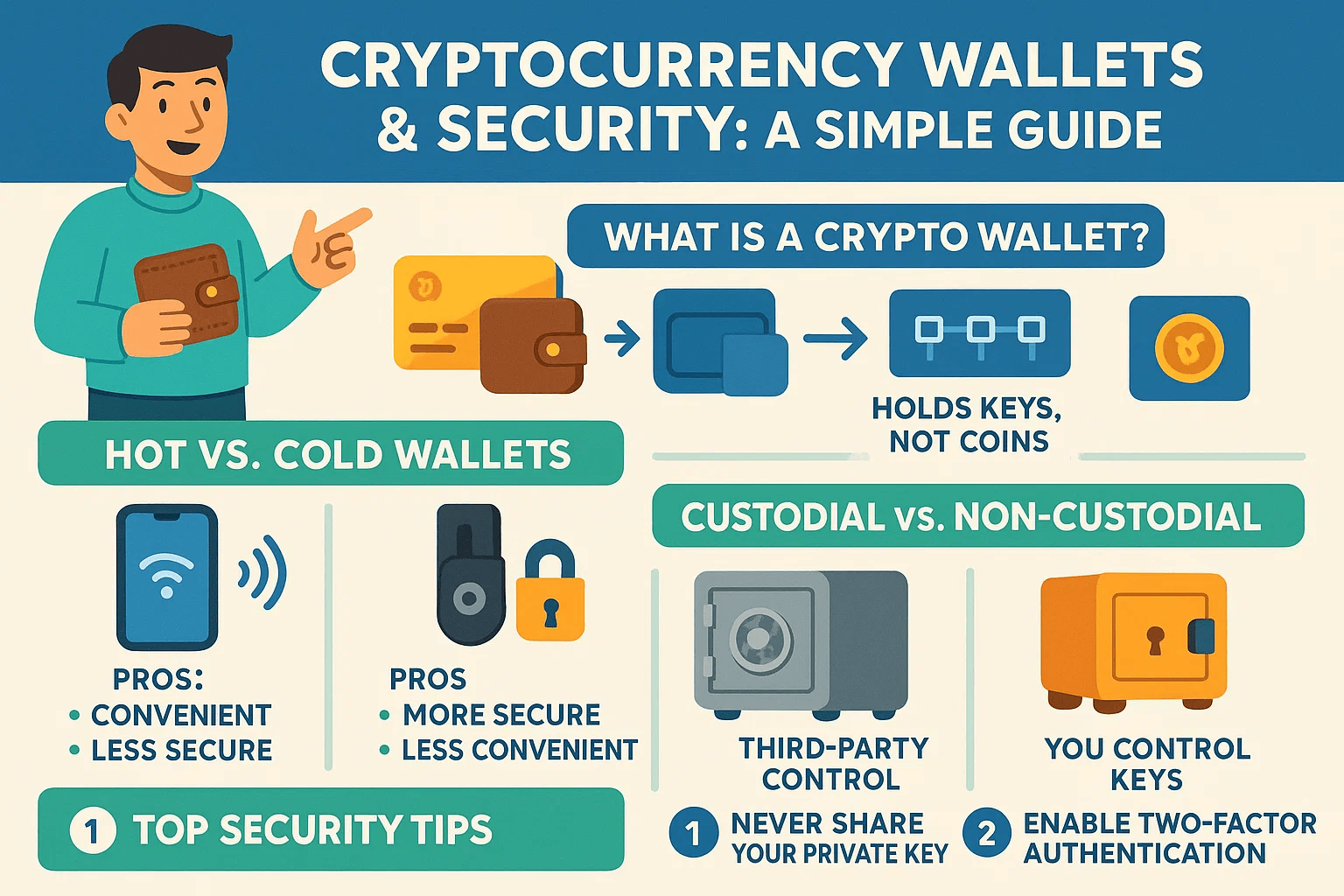
Select networks that balance speed, cost, and liquidity. Bitcoin and Ethereum are widely recognized, but Layer 2 solutions offer better microtransaction economics.

Embed KYC/AML checks early in the process. Use provider-backed widgets to verify user identities and flag suspicious activity.
Release the feature to a small, trusted group of creators and users. Gather feedback on UX, transaction success rates, and compliance flags.
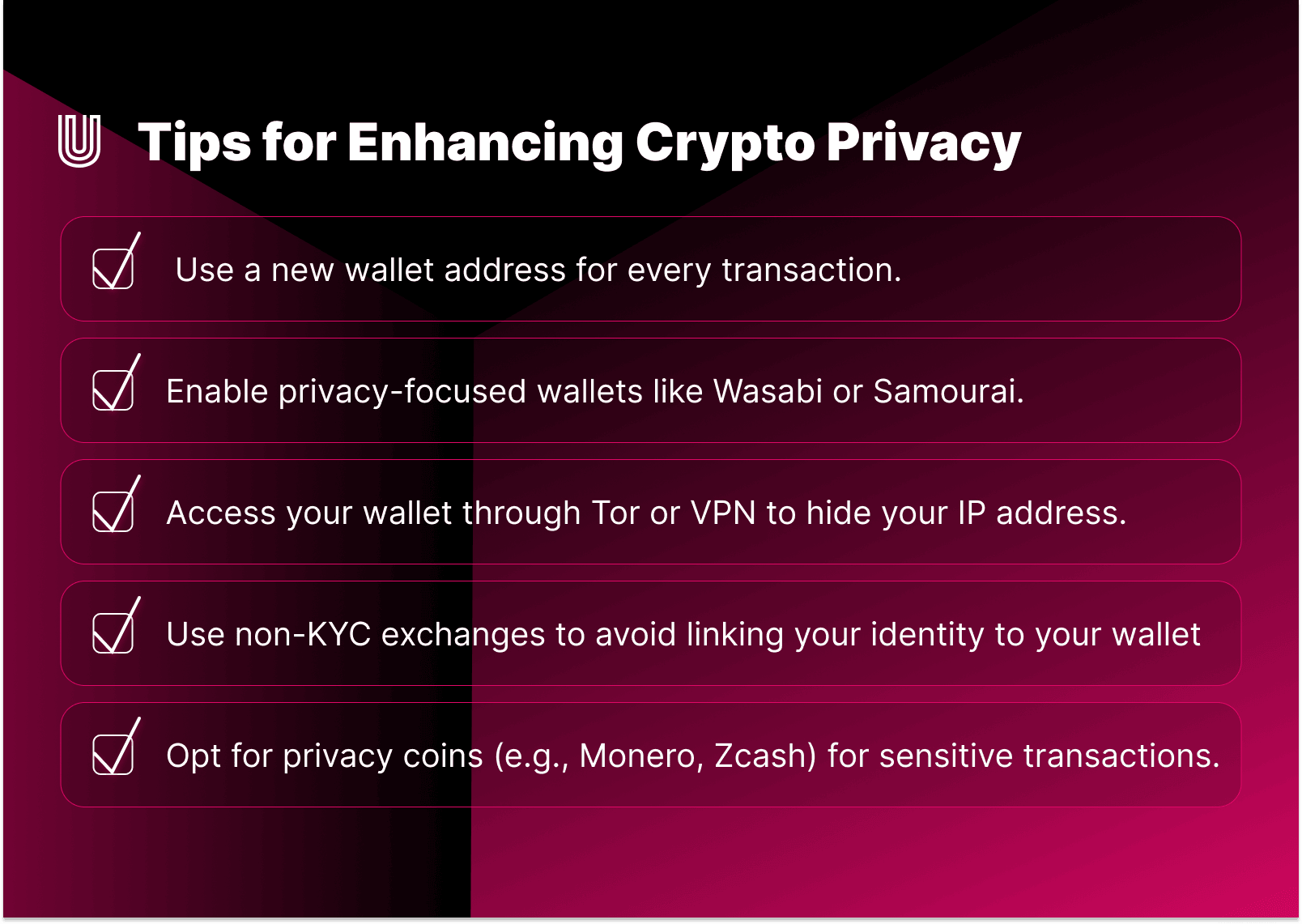
Roll out to the full user base. Continuously monitor transaction volumes, fee structures, and regulatory updates to adapt your strategy.
Frequently asked questions about crypto tipping
What is tipping in crypto?
Crypto tipping involves sending cryptocurrency directly to a creator or content provider as a form of support or reward. This method bypasses traditional payment processors, allowing for faster transactions and lower fees, especially when using networks like the Lightning Network for Bitcoin.
Is crypto tipping legal?
Tipping itself is generally legal in most jurisdictions, but compliance depends on how the platform handles the funds. Financial institutions must identify crypto exposure and build defensible compliance programs to avoid regulatory issues. Users should ensure the tipping service they use adheres to local anti-money laundering (AML) and know-your-customer (KYC) requirements.
How do fees work for crypto tips?
Fees vary significantly by network. Bitcoin and Ethereum mainnets can be expensive during high traffic, while Layer-2 solutions or altcoins like Solana keep costs near zero. Always check the network fee before sending, as it is deducted from the tip amount or paid separately by the sender.
Which cryptocurrencies are best for tipping?
Bitcoin and Ethereum are the most widely supported, but Lightning Network (BTC) and Solana (SOL) are preferred for speed and low cost. Many platforms now support multiple chains, allowing users to choose the most efficient network for their specific tip size.
What are the tax implications of crypto tipping?
In many jurisdictions, receiving crypto tips is considered taxable income. Creators should consult with a tax professional to understand their obligations. Additionally, sending tips may have tax implications for the sender, depending on local laws.
How can I ensure my crypto tipping platform is secure?
Security is paramount. Use reputable wallet providers, implement multi-signature wallets for large transactions, and regularly audit your smart contracts and infrastructure. Educate users on best practices for securing their private keys and recognizing phishing attempts.
No comments yet. Be the first to share your thoughts!