The tipping point for microtransactions
Crypto tipping has shifted from a niche novelty to a functional utility. This transition isn't driven by speculative price action, but by structural improvements in the underlying infrastructure. Layer 2 scaling solutions and the widespread adoption of stablecoins have solved the two historical barriers to microtransactions: prohibitive fees and slow settlement times.
Historically, sending even small amounts of cryptocurrency was economically unviable. Standard Layer 1 blockchains often charged transaction fees that exceeded the value of the tip itself. The Lightning Network changed this calculus by enabling transactions for fractions of a cent, allowing creators to receive tips as small as a single satoshi. This infrastructure layer effectively removed the friction that previously made crypto tipping impractical for everyday use.
Market data suggests this utility is now crossing a critical threshold. Recent analysis indicates that cryptocurrency user penetration is approaching and potentially surpassing the 10% mark, a level often associated with mainstream adoption. As institutional players integrate these payment rails and regulatory frameworks stabilize, digital assets are moving out of their purely speculative phase and into the realm of practical financial infrastructure.
This shift redefines the value proposition. Crypto tipping is no longer about betting on an asset's future price; it is about leveraging a faster, cheaper, and more direct payment network. The infrastructure is now robust enough to support the high-volume, low-value transactions that define modern content economies.
The rails behind crypto tipping
Crypto tipping works because specific networks have solved the microtransaction problem. For years, standard blockchains were too slow and expensive for small gifts. A $1 tip could cost $5 in fees. The infrastructure has shifted to prioritize speed and near-zero costs, making digital generosity viable again.
Lightning Network: The Bitcoin Standard
The Lightning Network operates as a layer-2 solution on Bitcoin. It creates off-chain payment channels that settle instantly with minimal fees. This architecture allows tips as small as a single satoshi, which is worth fractions of a cent. It is the most mature rail for Bitcoin-based tipping, offering privacy and speed that on-chain transactions cannot match. Users send funds directly to a recipient’s wallet without waiting for block confirmations. Spark and other platforms leverage this to enable frictionless peer-to-peer transfers.
Solana: High-Throughput Speed
Solana uses a proof-of-history consensus mechanism to process thousands of transactions per second. Its fees are typically a fraction of a cent, making it ideal for high-volume, low-value interactions. Creators on Solana can receive tips instantly without the congestion issues seen during network peaks. The ecosystem supports decentralized applications that abstract wallet complexity, allowing users to tip with a single click. This infrastructure attracts users who prioritize raw speed and low cost over Bitcoin’s brand recognition.
Base and Stablecoin Efficiency
Base, Coinbase’s layer-2 network, combines Ethereum’s security with low fees and high speed. It is optimized for stablecoin transactions, meaning tips are sent in assets pegged to the US dollar. This eliminates volatility risk for both the sender and receiver. Base’s integration with Coinbase’s user base lowers the barrier to entry, allowing fiat-onramps to flow directly into crypto tips. The network’s design focuses on consumer-friendly experiences, making it a strong contender for mainstream adoption.
Protocol Comparison
Choosing the right rail depends on the user’s priority: brand trust, speed, or ease of use. The following table compares the three leading infrastructures for tipping scenarios.
| Network | Speed | Avg. Fee | Best For |
|---|---|---|---|
| Lightning Network | Instant | < $0.01 | Bitcoin purists & micro-tips |
| Solana | < 1 sec | ~ $0.00025 | High-volume creators |
| Base | < 1 sec | <$0.01 | Stablecoin users & Coinbase users |
Top tools for creators and platforms
The infrastructure for crypto tipping has matured from experimental scripts to reliable, plug-and-play integrations. For creators, the priority is selecting a stack that balances low fees with ease of use. For platforms, the goal is seamless integration without sacrificing security or regulatory compliance. The following tools represent the current standard for building a functional tipping economy in 2026.
Alby: The Open-Source Lightning Gateway
Alby has emerged as the de facto standard for Bitcoin Lightning tipping. Originally built as a browser extension, it now powers a complete ecosystem of Lightning wallets and payment processors. For creators, Alby offers a simple "Tip Jar" feature that generates a unique Lightning invoice for every piece of content. For developers, the Alby SDK allows for deep integration into custom websites and apps, enabling microtransactions that are too small for traditional credit card processing.
The platform’s strength lies in its open-source nature, which ensures transparency and community-driven security audits. By leveraging the Lightning Network, Alby enables tips as small as a single satoshi (~$0.001) with negligible fees. This makes it possible for audiences to support creators with amounts that would be economically unviable on legacy payment rails.
WalletConnect: Cross-Chain Compatibility
For platforms supporting multiple cryptocurrencies, WalletConnect provides the essential bridge between user wallets and dApps. Rather than forcing users to download platform-specific wallets, WalletConnect allows seamless connection from popular mobile and desktop wallets like MetaMask, Coinbase Wallet, and Trust Wallet. This interoperability is critical for mass adoption, as it reduces friction for non-technical users who may hold assets across different blockchains.
The protocol supports a wide range of chains, including Ethereum, Solana, and Polygon, allowing creators to accept tips in their preferred stablecoin or native token. By abstracting the complexity of blockchain interactions, WalletConnect enables a unified tipping experience regardless of the underlying asset. This flexibility is particularly valuable for global audiences, where currency volatility and regional banking restrictions can complicate traditional payment methods.
Tipping Bots: Automated Engagement
For community-driven platforms like Discord and Telegram, dedicated tipping bots automate the flow of digital assets. These bots integrate directly into chat channels, allowing users to tip creators with simple commands (e.g., /tip @creator 10 USDT). They handle the transaction logic, ensuring that funds are transferred instantly and securely without requiring users to navigate complex wallet interfaces.
Popular bots often include features like tipping leadersboards, automated rewards for active community members, and integration with NFT marketplaces. This gamification of tipping encourages consistent engagement and provides creators with a steady stream of income. By removing the technical barriers to entry, these bots make crypto tipping as intuitive as sending a message.
Hardware Security for Creators
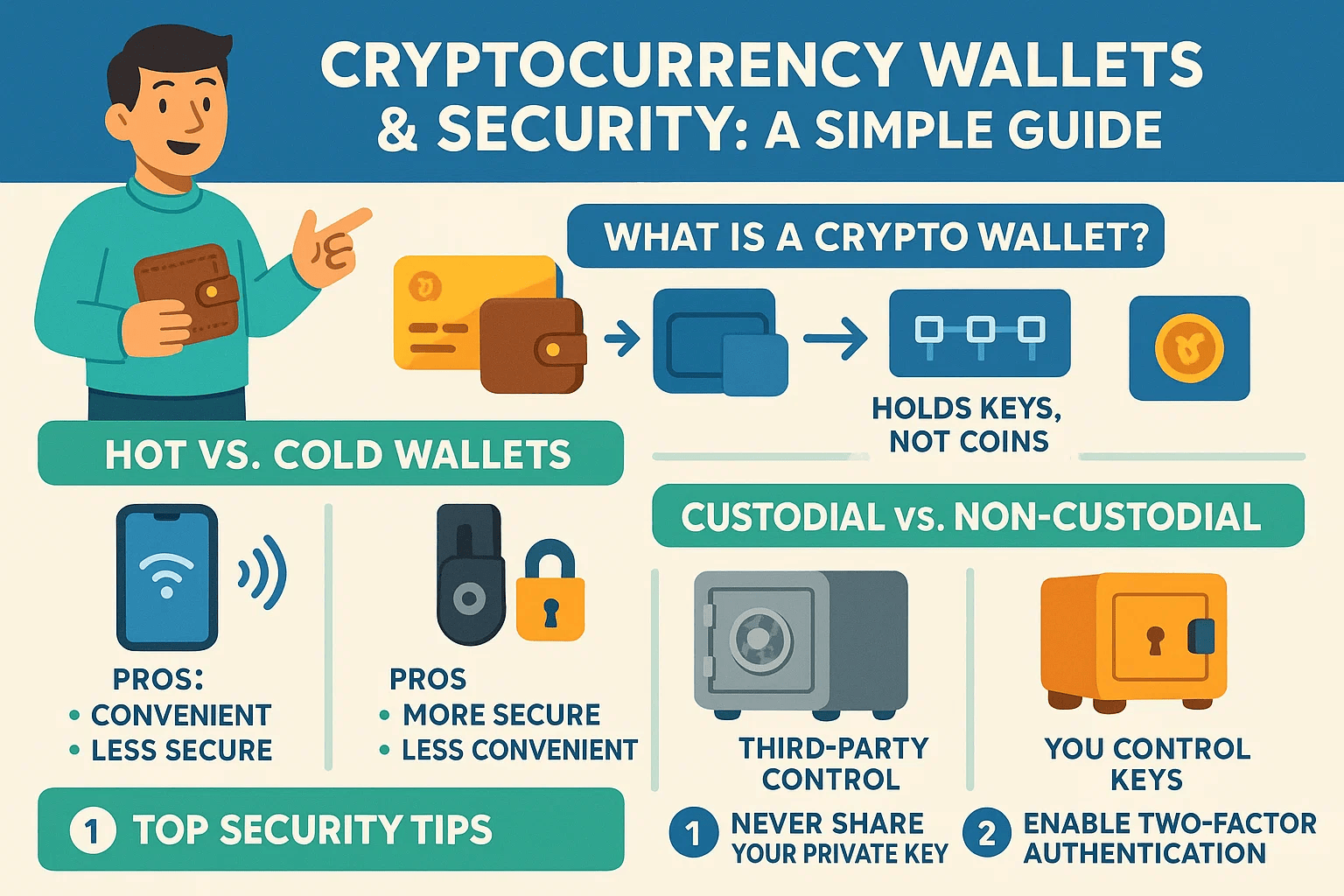
As tipping infrastructure becomes more sophisticated, securing the associated private keys is paramount. Hardware wallets provide an offline storage solution that protects against phishing attacks and malware. For creators handling significant volumes of tips, investing in a dedicated hardware wallet is a non-negotiable security measure.


As an Amazon Associate, we may earn from qualifying purchases.
These devices ensure that even if a creator’s computer is compromised, their funds remain secure. By isolating private keys from internet-connected devices, hardware wallets mitigate the risk of large-scale theft. For high-stakes financial operations, this layer of security is essential for maintaining trust and protecting revenue streams.
Institutional adoption drives utility over speculation
The crypto tipping landscape is shifting from a speculative playground to a functional financial layer. As institutions integrate digital assets, the focus is moving away from price appreciation toward practical utility. This transition is critical for tipping infrastructure, which relies on speed, low cost, and regulatory clarity rather than market volatility. Digital assets are leaving their speculative phase behind as legal scaffolding is built for broader acceptance, making them viable for everyday micro-transactions.
Stablecoins have emerged as the preferred asset for this purpose. Unlike volatile cryptocurrencies, stablecoins provide the price predictability necessary for creators and platforms to operate without hedging risk. The infrastructure supporting these payments—layer-2 networks and Lightning Network protocols—has matured to handle high volumes with negligible fees. This allows tips to be sent in amounts as small as a single satoshi (~$0.001), a feat impossible on legacy banking rails or congested base-layer blockchains.
For infrastructure providers, the regulatory environment is the primary constraint. Compliance with anti-money laundering (AML) and know-your-customer (KYC) standards is no longer optional but a foundational requirement for institutional partnership. Providers that embed compliance into their core architecture, rather than treating it as an afterthought, are better positioned to capture market share. The tipping point for blockchain adoption is here, but it is being driven by infrastructure reliability and legal certainty, not just technological novelty.
No comments yet. Be the first to share your thoughts!