Why crypto tipping matters now
Traditional payment processors have long acted as gatekeepers for digital content, extracting 30% to 50% of every transaction as intermediary fees. This model works reasonably well for high-value sales, but it breaks down for the micro-economy of appreciation. When a fan wants to support a creator with a small gesture, standard credit card networks and banking rails make it economically unviable. The friction isn't just financial; it's structural. The overhead of processing a $1 tip often exceeds the value of the tip itself, discouraging the very behavior that sustains independent creators.
Crypto tipping changes this dynamic by removing the middleman. Platforms like the Lightning Network have made micro-transactions practical by reducing fees to fractions of a cent. This infrastructure allows creators to receive direct payments from their audiences, ensuring that the vast majority of the value goes straight to the recipient. It transforms tipping from a logistical afterthought into a seamless, low-friction interaction.
This shift is already visible in major social platforms. X (formerly Twitter) integrated Bitcoin tipping, allowing users to send Bitcoin off-platform via third-party payment processors directly from their profiles. This isn't just a novelty; it signals a broader market recognition that Web3-native tools offer a superior alternative for creator-audience relationships. The ability to send value instantly, globally, and with minimal loss to fees creates a more direct and sustainable economy for content creators.
The result is a more equitable distribution of value. Creators retain control over their earnings, and audiences can support their favorite content without worrying about hidden costs or delayed settlements. This efficiency is what makes crypto tipping not just a technological curiosity, but a necessary evolution in how we value digital work.
How the technical stack enables micro-transactions
Crypto tipping relies on a specific infrastructure stack designed to handle high-volume, low-value transactions that traditional banking rails cannot support efficiently. The core challenge is transaction cost: if a platform fee or network gas cost exceeds the tip amount, the system fails. The solution lies in Layer 2 scaling solutions and specialized wallet integrations that bypass the congestion of base-layer networks like Ethereum Mainnet or Bitcoin.
Layer 2 networks for speed and low fees
The Lightning Network for Bitcoin and Polygon for Ethereum serve as the primary processing layers for crypto tipping. These Layer 2 solutions operate off-chain or as sidechains, settling final states on the main blockchain only when necessary. This architecture reduces transaction fees to fractions of a cent, making it viable to tip a single satoshi or a tiny amount of wei. Without these layers, the friction of on-chain gas fees would render micro-tipping economically impossible for most users.
Wallet integrations and smart contract standards
User experience hinges on seamless wallet integration. Platforms like Discourse use open-source plugins to connect directly with MetaMask, allowing users to transfer ETH or ERC20 tokens without leaving the application interface. Similarly, tools like tip.md embed multi-chain tipping buttons directly into markdown content, supporting Ethereum, Solana, and Bitcoin simultaneously. These integrations rely on standardized smart contract interfaces (such as ERC-20 for tokens) to ensure compatibility across different wallets and blockchains, reducing the technical barrier for both creators and audiences.

![AINOPE USB to USB C Cable [2-Pack, 6.6ft] 3.1A Type C Charger Fast Charging, Right Angle USB C Cable for iPhone 17 Carplay Cable, Galaxy S10+ S10 S9, Note 10 9, LG V30, Moto, iPhone 16 15 Charger Cord](https://m.media-amazon.com/images/I/71slGPTBJ9S._AC_UY654_QL65_.jpg)

As an Amazon Associate, we may earn from qualifying purchases.
Compare top crypto tipping platforms
Choosing the right crypto tipping tool depends on where your audience lives and how you want to handle payouts. The landscape is split between native integrations on social platforms and decentralized tools that work across the web.
X Tips is the default for Twitter creators. It connects to third-party payment processors like Stripe or Coinbase Commerce, allowing users to send Bitcoin or fiat directly from your profile. While convenient for X users, it relies on centralized partners for fiat conversion [src-serp-1].
For video creators, Rumble offers a built-in Tip Jar. This feature lets viewers send cryptocurrency directly to other Rumble users. It is simple to enable but keeps funds within the Rumble ecosystem, which limits where you can withdraw your earnings [src-serp-4].
If you run a forum or website, Discourse plugins and tip.md provide more flexibility. tip.md adds a markdown button to any site, supporting multi-chain transactions on Ethereum, Solana, and Bitcoin. This is ideal for developers and independent creators who want to avoid platform lock-in [src-serp-6].
The table below breaks down the key differences in fees, supported networks, and payout methods.

| Platform | Supported Networks | Fee Structure | Payout Method |
|---|---|---|---|
| X Tips | Bitcoin (via Lightning) | Processor-dependent (e.g., 1-3%) | Fiat or Crypto via 3rd party |
| Rumble | Multiple (Native Wallet) | Platform fee applies | Rumble Wallet / External |
| tip.md | ETH, SOL, BTC, etc. | Network gas + small platform fee | Direct to wallet |
| Discourse Plugins | Varies by plugin | Plugin-specific | Direct to wallet |
Compliance and risk management
Crypto tipping sits at the intersection of financial innovation and strict regulatory oversight. Platforms that facilitate these transactions are increasingly classified as Money Services Businesses (MSBs) or Virtual Asset Service Providers (VASPs), depending on the jurisdiction. This classification triggers a cascade of legal obligations, primarily centered on Anti-Money Laundering (AML) and Know Your Customer (KYC) protocols.
For platform operators, the stakes are high. Failure to implement a robust compliance program can result in severe penalties, including the revocation of banking partnerships or criminal charges. A defensible compliance framework requires more than just software; it demands a structured approach to identifying crypto exposure and assessing transaction risk. Operators must monitor for suspicious activities, such as structuring transactions to avoid reporting thresholds or interacting with sanctioned addresses.
Regulatory note: Crypto tipping may trigger reporting requirements depending on jurisdiction and volume. Platforms must ensure they are not inadvertently facilitating unlicensed money transmission.
Callouts like the one above are essential for highlighting specific legal risks mid-prose. For creators, the implications are different but equally important. While they may not be directly regulated as financial institutions, they are subject to tax reporting requirements. In the United States, for example, the IRS treats cryptocurrency as property. This means every tip received is a taxable event, requiring creators to track the fair market value of the crypto at the time of receipt.
The infrastructure supporting these transactions must be designed with compliance in mind from day one. This includes integrating with reputable blockchain analytics firms to screen transactions in real-time. Tools like TRM Labs provide the necessary data to build defensible compliance programs, helping platforms identify high-risk actors and maintain regulatory integrity.
Tax compliance for creators involves maintaining detailed records of all incoming tips. This includes the date, time, amount, and value of the cryptocurrency at the time of the transaction. Many creators use specialized accounting software to automate this process, reducing the risk of errors during tax season. As the regulatory landscape continues to evolve, staying informed and proactive is the best way to mitigate risk.
Set up your tipping workflow
Activating a crypto tipping infrastructure requires connecting a wallet, selecting a network, and integrating a receiving tool. The process moves from technical configuration to public visibility. Follow this checklist to ensure your setup is secure and functional.
Select a blockchain that aligns with your audience's activity. For high-volume, low-value tips, the Lightning Network on Bitcoin or Solana offers near-zero fees. For larger transactions, Ethereum or Bitcoin mainnet provides security but higher costs. Ensure your self-custody wallet supports the chosen network and has the necessary tokens for gas fees if applicable.
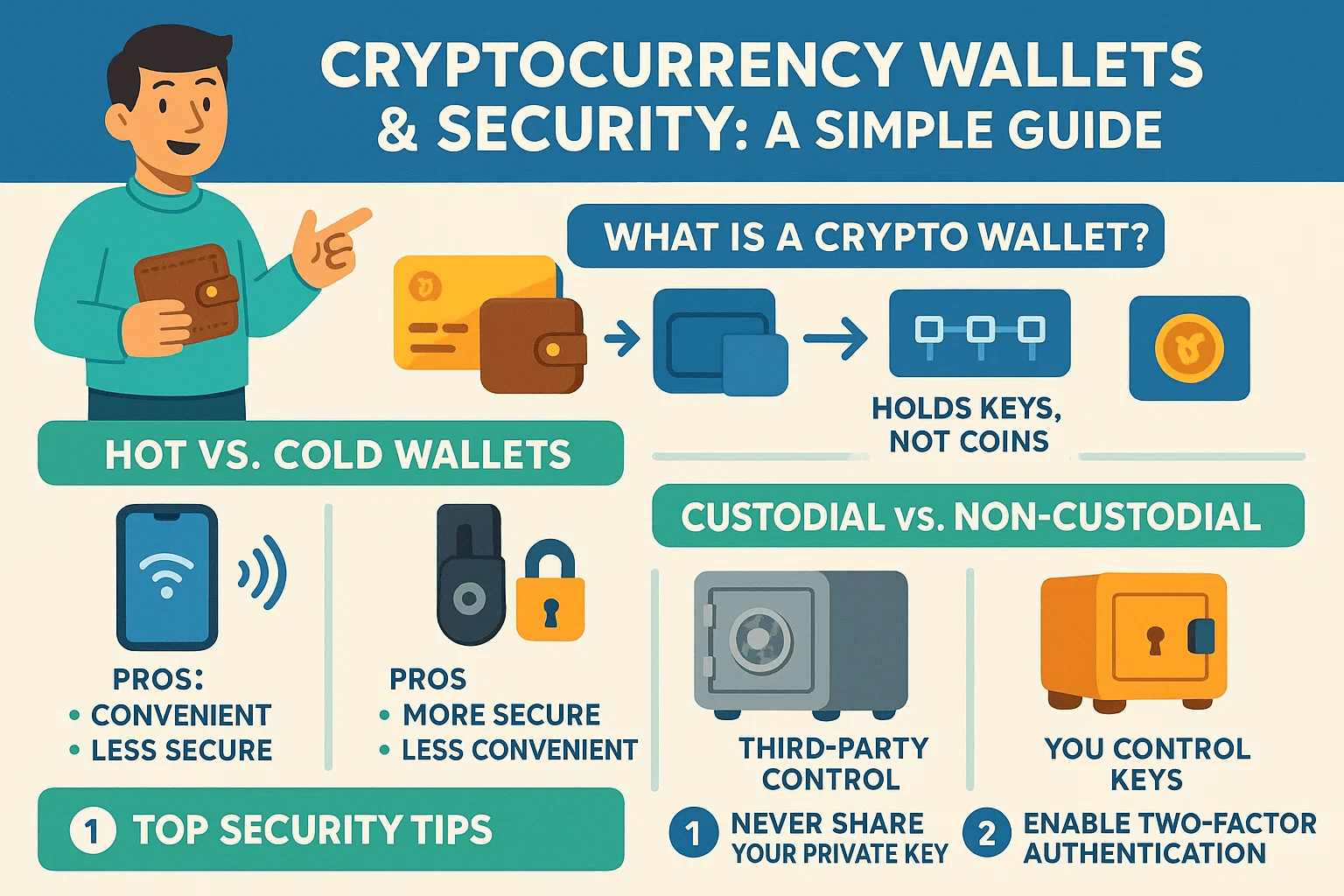
Generate a dedicated receiving address or activate a platform-specific tip jar. Platforms like Rumble allow you to enable a "Tip Jar" directly in your account settings, which aggregates tips and simplifies withdrawal. If using a standalone wallet, create a unique address for each platform to help track income sources for tax purposes.
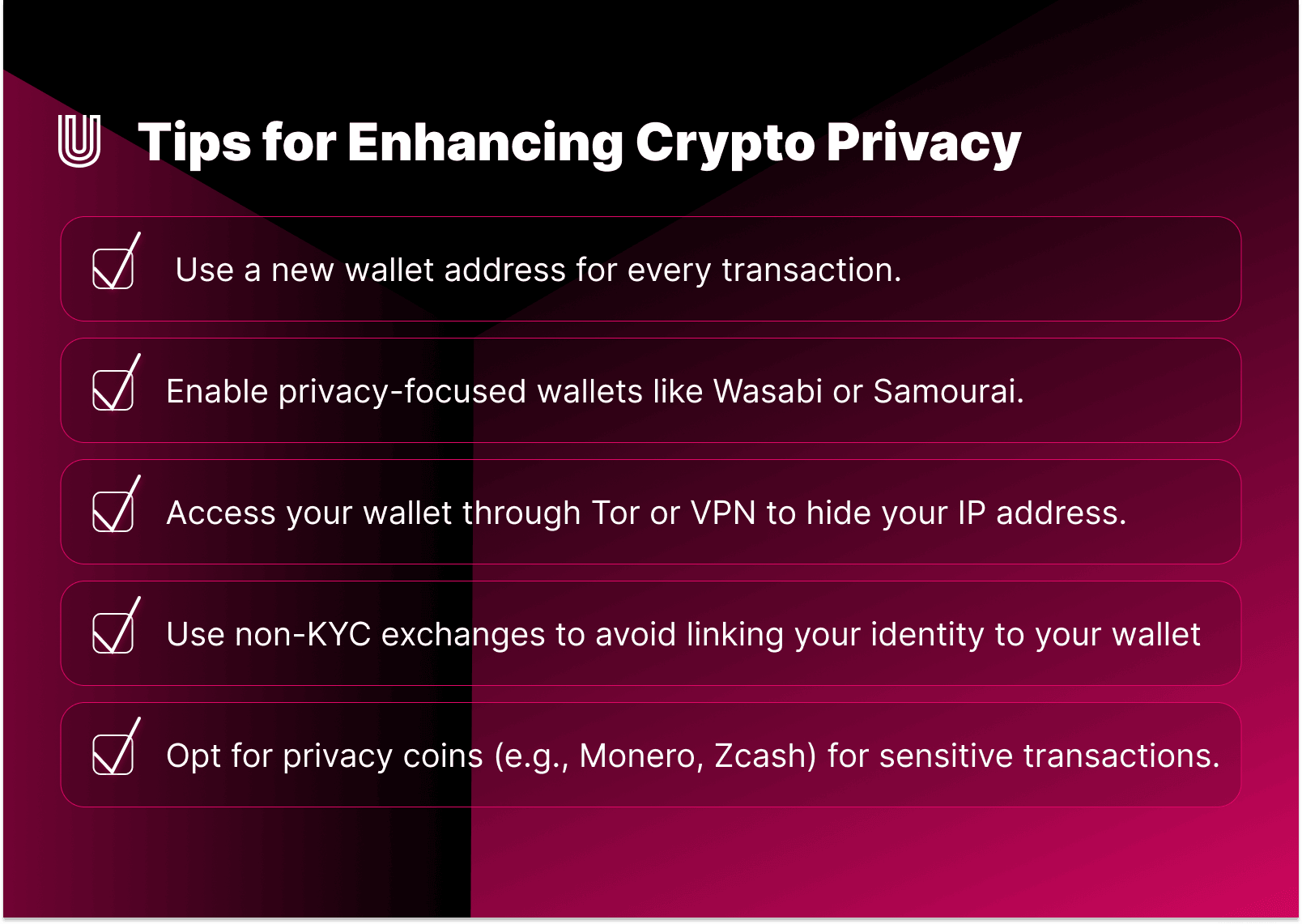
Place your tipping mechanism where your audience can find it. Use markdown buttons or HTML widgets to embed your address directly in blog posts, GitHub repositories, or social media bios. Tools like tip.md allow you to add multi-chain tipping buttons via simple markdown syntax, making integration seamless for content creators.

Crypto tips are generally treated as taxable income in most jurisdictions. Set up a system to record the fiat value of each tip at the time of receipt. Consult a tax professional to understand reporting requirements for your specific region. Keep clear records of transactions to simplify annual filings and avoid compliance issues.
No comments yet. Be the first to share your thoughts!