Why crypto tipping matters for creators
Traditional tipping platforms operate like toll booths on a highway. For every dollar a fan sends, the intermediary keeps a significant chunk—often 30% to 50% in processing fees, chargeback protections, and platform cuts. Crypto tipping removes the toll. By leveraging blockchain infrastructure, creators receive the full value of the tip, minus only negligible network fees that can be fractions of a cent on networks like the Lightning Network.
This shift is not just about saving money; it is about expanding the addressable market. Fiat tipping requires a bank account, a credit card, and often a specific geographic presence. Crypto tipping is borderless. A fan in Tokyo can support a creator in Berlin with the same ease as a neighbor down the street, using stablecoins or Bitcoin without worrying about international wire transfer delays or foreign exchange spreads.
The economic model changes from subscription dependency to direct micro-support. As noted in industry comparisons, this infrastructure allows tips as small as a single satoshi (~$0.001), enabling mass participation from audiences who might hesitate to send a $5 bill but can easily spare a few cents. This democratizes support, turning casual viewers into active patrons without the friction of traditional payment gateways.
Comparing crypto tipping platforms and tools
Choosing the right crypto tipping infrastructure depends on your audience’s existing wallet habits and the specific chains you want to support. The market has shifted from single-chain experiments to multi-chain solutions that prioritize low fees and seamless user experience. For creators, the goal is to remove friction so that a tip feels as natural as a "like" or a comment.
Key Platforms for Crypto Tipping
The current landscape is dominated by platforms that bridge the gap between traditional content creation and blockchain payments. Below is a comparison of three prominent tools that cater to different needs, from developer-focused integrations to creator-first platforms.
| Platform | Supported Chains | Ease of Setup | Best For |
|---|---|---|---|
| tip.md | Ethereum, Solana, Bitcoin | Simple (Markdown button) | Developers & Writers |
| Rumble Wallet | Multi-chain (Native) | Account-based | Video Creators |
| Lightning Network | Bitcoin (Layer 2) | Technical (Node or Provider) | Micro-tipping Communities |
tip.md offers a developer-friendly approach by allowing creators to embed a simple markdown button that triggers tipping transactions across major networks like Ethereum, Solana, and Bitcoin. This is ideal for technical creators who want to maintain control over their content presentation while accepting crypto without complex integrations. The primary advantage is its simplicity: it works directly within markdown editors, making it a favorite among writers and open-source maintainers.
Rumble Wallet takes a different approach by integrating tipping directly into its creator ecosystem. Users can enable "Tip Jars" within their accounts, allowing viewers to send and receive cryptocurrencies seamlessly. This platform is best suited for video creators who are already within the Rumble network, as it leverages existing user relationships to facilitate transactions. While less flexible for cross-platform use, it offers a polished, user-friendly experience for those staying within the ecosystem.
The Lightning Network remains the gold standard for micro-tipping on Bitcoin. By operating as a layer-2 solution, it reduces transaction fees to fractions of a cent, enabling tips as small as a single satoshi. This makes it possible to reward small interactions that would be economically unviable on the main Bitcoin chain. However, setting up a Lightning node or using a custodial provider requires more technical knowledge than the other options, making it better suited for communities that prioritize decentralization and low-cost micropayments.

When selecting a platform, consider the balance between ease of use and transaction costs. For creators with a broad, non-technical audience, platforms like Rumble Wallet offer the smoothest onboarding. For those in developer or writer communities, tip.md provides the necessary flexibility across multiple chains. Meanwhile, the Lightning Network remains the most efficient option for high-volume, low-value interactions, provided you are willing to manage the technical infrastructure.
Setting up your crypto tipping infrastructure
To implement a functional tipping system, you must bridge the gap between complex blockchain mechanics and a frictionless user experience. The goal is to allow your audience to send value without navigating wallet connections or gas fees. This section outlines the technical steps to build that infrastructure securely.
Begin by choosing a non-custodial wallet that supports the specific blockchain your audience uses. For Ethereum-based communities, MetaMask remains the standard, while Solana creators often prefer Phantom. Ensure the wallet allows you to generate public receiving addresses that are easy to copy and share. Security is paramount; never share your private keys or seed phrases with any tipping platform.
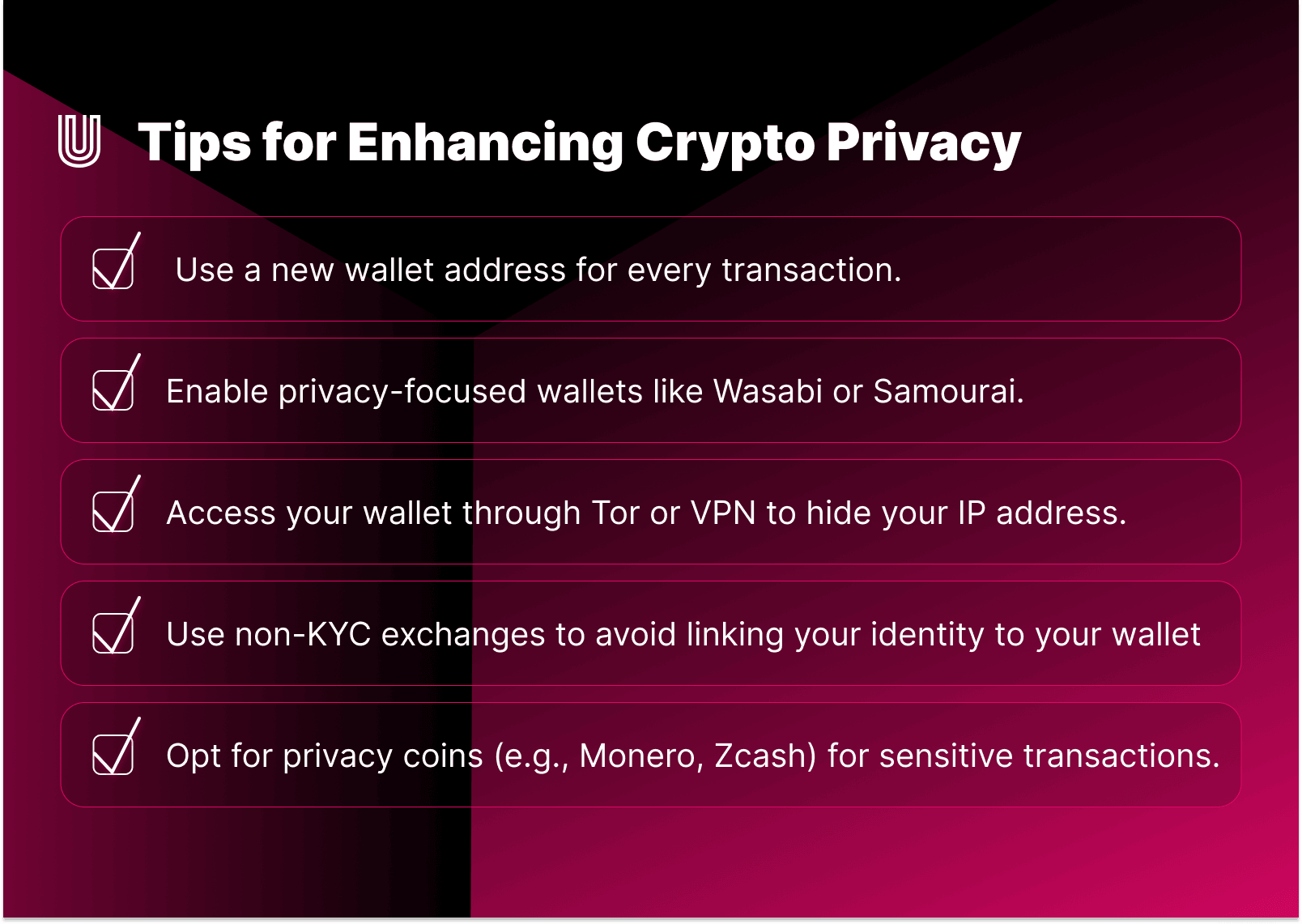
Instead of asking fans to manually copy-paste wallet addresses, use a dedicated tipping button or widget. Services like tip.md allow you to embed a simple markdown button that handles the transaction interface across multiple chains. This reduces friction for the donor and ensures the funds arrive in your designated wallet without intermediate steps. Look for tools that support Lightning Network for Bitcoin tips to minimize fees for small amounts.

Crypto tips are generally treated as taxable income in most jurisdictions. Before going live, configure your accounting software to track these incoming transactions. Many platforms allow you to tag incoming tips for easier reporting. Consult a tax professional to understand the specific regulations in your region, as failure to report crypto income can lead to significant penalties. Keep records of all wallet addresses and transaction hashes for audit trails.
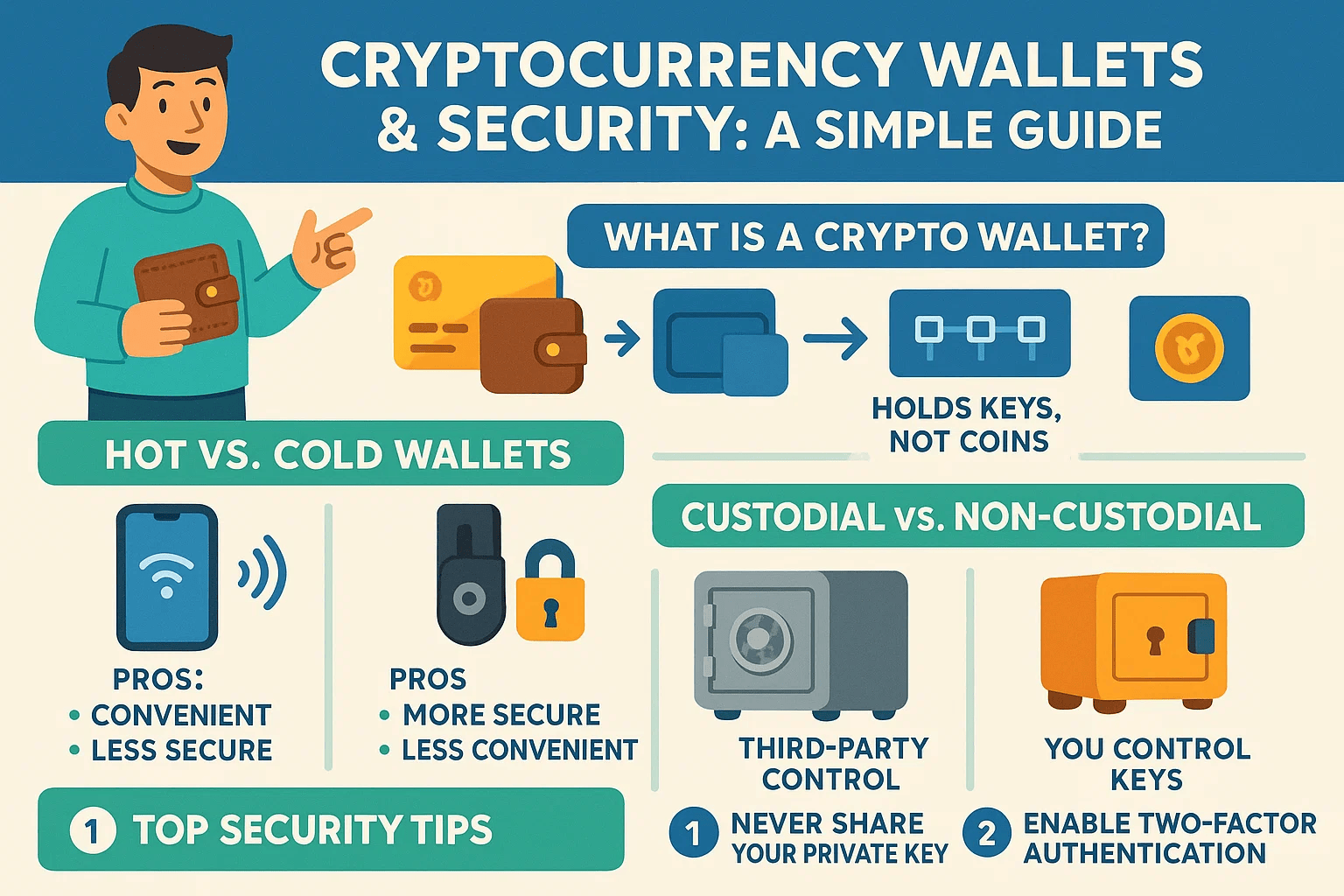
Once your wallet and interface are linked, generate a public URL or QR code. Place this link prominently in your social media bios, newsletter footers, and video descriptions. Test the flow yourself by sending a small amount to ensure the funds arrive correctly and the transaction confirmation is clear. Transparency builds trust; let your audience know exactly where their tips are going and how they support your work.
| Feature | Recommendation |
|---|---|
| Wallet Type | Non-custodial (MetaMask, Phantom) |
| Tipping Tool | tip.md or Lightning Node |
| Tax Tracking | Automated ledger tagging |
| Primary Risk | Phishing links and scams |
Navigating the regulatory landscape
Accepting cryptocurrency for tips introduces a distinct set of tax and compliance obligations that differ significantly from traditional fiat payments. While the technology removes intermediaries, it does not remove your legal responsibilities. In most jurisdictions, crypto received as a tip is treated as ordinary income at the fair market value on the day it is received. Failure to report this income can lead to penalties, audits, or worse.
The regulatory environment is evolving rapidly. Platforms like Strike, Cash App, and Lightning Network providers operate in a gray area where they facilitate payments but may not withhold taxes. This means the burden of record-keeping falls entirely on you. You must track the date, time, USD value, and transaction hash for every tip received. Treating crypto as property rather than currency is the standard approach for tax authorities like the IRS in the United States, meaning each tip triggers a taxable event.
To stay compliant, consider using dedicated crypto accounting software that integrates with your wallet or exchange. These tools can automatically categorize tips as income and calculate capital gains when you eventually convert them to fiat. Ignoring this step is risky; manual tracking is prone to error and difficult to defend during an audit. Prioritize clean records over convenience.
Market volatility and risk management
The value of cryptocurrency can swing dramatically in short periods. A tip worth $100 in Bitcoin could drop to $80 an hour later. This volatility is a real risk for creators who rely on tips for income. To mitigate this, many creators immediately convert tips to stablecoins like USDC or fiat currency. This strategy locks in the value of the tip and eliminates exposure to market swings.
Understanding market trends is also important for timing your conversions. While no one can predict the market with certainty, monitoring major assets like Bitcoin can help you decide when to hold or sell. For example, during periods of high volatility, converting to stablecoins might be the safer choice. Conversely, if you believe in the long-term value of Bitcoin, you might hold a portion of your tips as a strategic investment.
| Strategy | Benefit | Risk |
|---|---|---|
| Immediate Conversion | Locks in value | Misses potential gains |
| Hold in BTC | Potential appreciation | High volatility |
| Stablecoin Conversion | Low volatility | Platform risk |
Analyzing the crypto tipping market performance
The crypto tipping ecosystem has matured from a niche experiment into a functional infrastructure layer for digital creator economies. This shift is driven by platforms integrating native support for digital assets, allowing creators to receive direct payments without intermediaries taking 30-50% cuts. The Lightning Network’s ability to reduce transaction fees to fractions of a cent has made micropayments viable, enabling tips as small as a single satoshi.
Understanding market volatility is essential for creators who accept crypto tips. Unlike fiat currencies, digital assets can fluctuate significantly in value over short periods. The following chart illustrates the price movement of Bitcoin (BTC), a primary asset used in tipping, providing context for how tip values may change in real-time.
While Bitcoin remains the most recognized asset for tipping, Ethereum and stablecoins also play significant roles in the ecosystem. The live price widget below tracks current market rates for major cryptocurrencies, helping creators and recipients gauge the immediate value of incoming tips.
Recommended tools for crypto tipping
Choosing the right infrastructure depends on whether you prioritize platform-native simplicity or cross-chain flexibility. The most accessible entry point is often the built-in tipping features on major social platforms. X (formerly Twitter) and Rumble, for instance, have integrated crypto tipping directly into their ecosystems, allowing creators to accept Bitcoin and other assets without managing external wallets or paying third-party platform fees. These native tools lower the barrier to entry for both creators and audiences.
For creators who need more control or operate across multiple blockchains, dedicated tools like tip.md offer a different approach. This service allows you to embed a markdown button on your website or blog, supporting transactions on Ethereum, Solana, and Bitcoin. This is particularly useful for developers and content creators who want to accept micropayments directly, bypassing the intermediaries that typically take significant cuts from digital transactions.
Regardless of the software platform, secure storage is non-negotiable. Using a reputable hardware wallet ensures that your earnings remain secure from online threats. Below are some highly rated options for managing your crypto assets safely.


As an Amazon Associate, we may earn from qualifying purchases.
No comments yet. Be the first to share your thoughts!