The reality of crypto tipping infrastructure
Crypto tipping is not a new concept, but the infrastructure supporting it has shifted from experimental novelty to practical utility. The core value proposition is straightforward: creators receive direct payments from audiences without intermediaries taking 30-50% cuts. This model works best when transaction costs are negligible, allowing tips as small as a single satoshi (~$0.001) to be viable.
The Lightning Network made this practical by reducing transaction fees to fractions of a cent. Before this development, on-chain Bitcoin transactions were too slow and expensive for micro-tipping. Now, a creator can receive a tip in seconds with minimal friction. This shift has enabled a culture where small, frequent contributions are normal rather than exceptional.
However, building a tipping infrastructure requires more than just a wallet address. You need tools that handle multi-chain support, markdown integration, and user-friendly interfaces. Platforms like tip.md offer markdown buttons that allow users to tip across Ethereum, Solana, and Bitcoin with a single click. These tools bridge the gap between complex blockchain technology and everyday user behavior.
The challenge for creators is not just accepting tips, but making them easy. If a user has to navigate multiple steps, approve transactions, or wait for confirmations, the tip is unlikely to happen. The infrastructure must be invisible, working in the background while the creator focuses on content. This invisibility is what separates successful crypto tipping setups from abandoned wallets.
Crypto-enabled tipping choices that change the plan
Choosing a crypto tipping infrastructure requires balancing speed, cost, and accessibility. Unlike traditional payment processors that take 2-3% in fees, on-chain transactions vary wildly depending on the network used. A tip sent via Ethereum mainnet might cost more than the tip itself during peak congestion, while Bitcoin transactions face similar volatility. The Lightning Network and Solana offer near-instant settlement for fractions of a cent, making them practical for micro-tipping, whereas legacy chains are better suited for larger, less frequent contributions.
| Network | Settlement Speed | Avg. Fee | User Barrier |
|---|---|---|---|
| Lightning Network | Instant | < $0.001 | Requires Lightning-enabled wallet |
| Solana | Seconds | ~$0.00025 | Standard crypto wallet |
| Bitcoin (On-Chain) | 10-60 mins | $1.00 - $10.00+ | Standard Bitcoin wallet |
| Ethereum | Seconds - Minutes | $0.50 - $20.00+ | MetaMask or similar |
Accessibility remains the biggest hurdle. Most non-crypto users do not hold a wallet capable of sending satoshis or tokens. Platforms like tip.md simplify this by embedding markdown buttons that handle the backend complexity, but the end user still needs a compatible wallet. If your audience is entirely new to crypto, the friction of setting up a wallet often outweighs the benefit of lower fees. In these cases, hybrid models that allow fiat-to-crypto on-ramps directly at the point of tipping are essential.
Finally, consider the tax and compliance implications. In many jurisdictions, tipping in crypto is a taxable event for the recipient, similar to receiving goods or services. While small amounts might fall under de minimis thresholds, automated platforms often do not generate the specific receipts needed for complex tax filings. For content creators, the ease of receiving direct payments is valuable, but the administrative burden of tracking thousands of micro-transactions can be significant. Evaluate whether the platform you choose offers clear transaction histories that integrate with standard accounting software.
Turn research into a crypto tipping framework
Choosing the right crypto tipping infrastructure requires balancing transaction costs, speed, and user accessibility. Unlike traditional fiat payments, crypto tipping involves selecting a blockchain that aligns with your audience's holdings and your acceptance preferences. A structured approach ensures you deploy tools that actually convert interest into support without exposing you to unnecessary complexity or hidden fees.

Determine whether you need instant micro-tips for content engagement or larger, less frequent donations. For high-volume, small-value interactions, Layer 2 solutions or the Lightning Network are essential to avoid network fees exceeding the tip itself. For larger support or long-form content appreciation, standard Layer 1 chains like Ethereum or Solana offer greater stability and visibility.

Your audience must be able to pay easily. If your community primarily uses self-custody wallets like Phantom or MetaMask, choose platforms that support direct wallet connections. If you want to lower the barrier to entry, consider platforms that allow email-to-crypto onboarding or custodial solutions that abstract away the complexity of private keys for casual supporters.
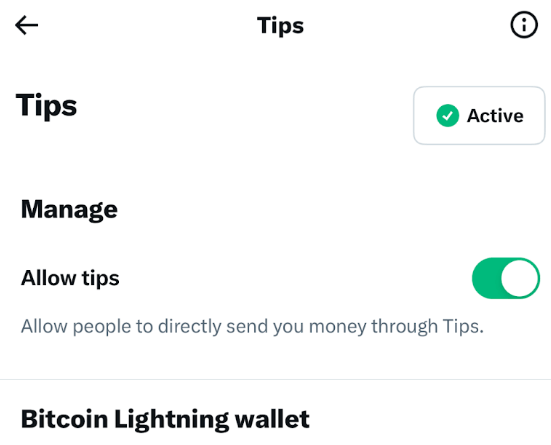
Review the fee model of your chosen platform. Some services take a percentage of the tip, while others charge a flat fee or require you to hold a native token for discounts. Ensure the settlement time is acceptable for your use case; instant finality is preferred for live streams or real-time interactions, whereas delayed settlement is acceptable for monthly support tiers.
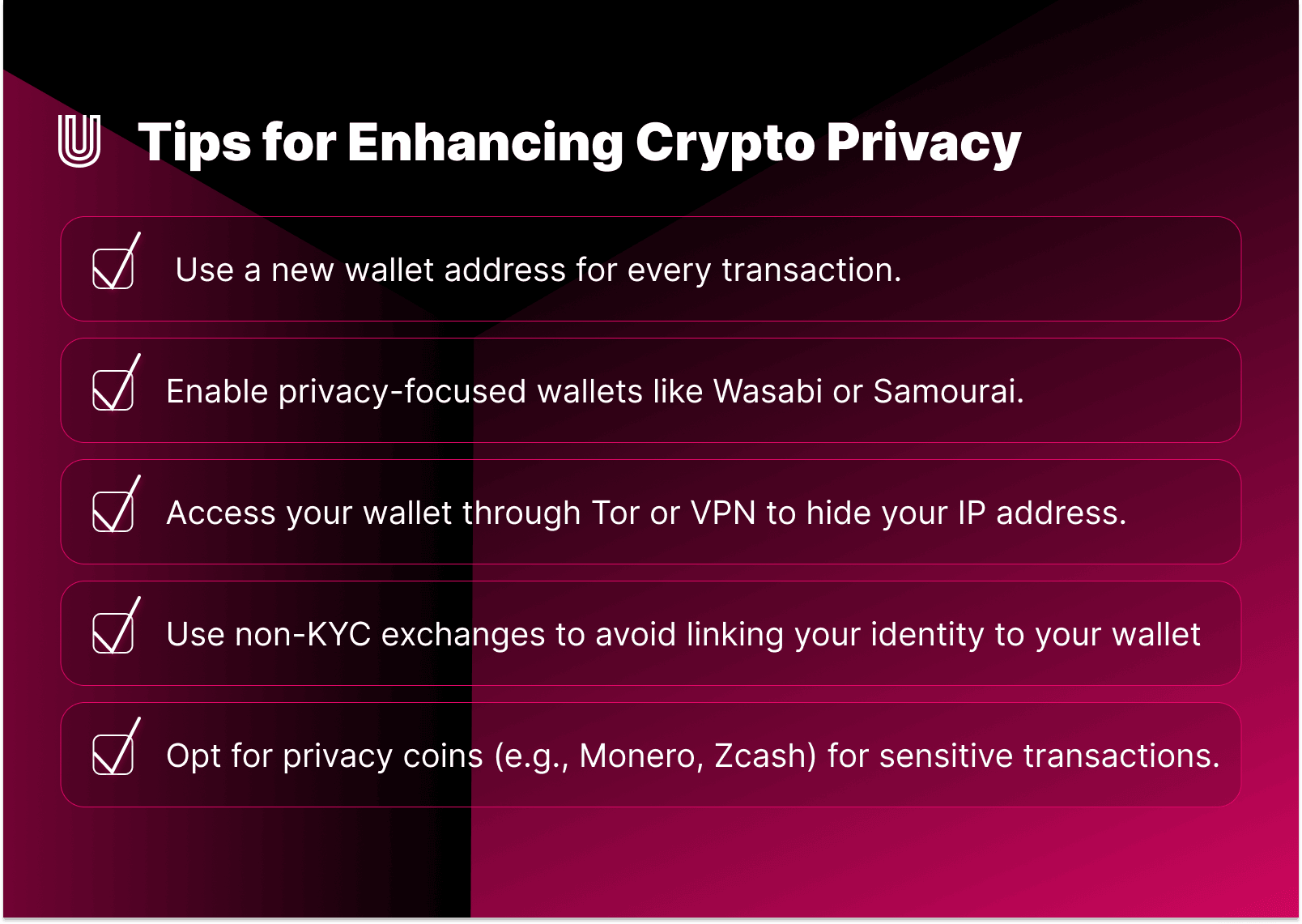
Before going live, send test transactions across different networks to verify that the funds arrive correctly and that the wallet integration works as expected. This step is critical for identifying potential issues with address formats, network mismatches, or platform bugs that could frustrate your supporters and lead to lost revenue.

Add the tipping button or link to your most visible content locations. Use clear call-to-actions that explain the benefit to the supporter, such as "Support this work directly" or "Buy me a coffee in crypto." Monitor the first few transactions to ensure the process is smooth and adjust your placement or messaging based on initial conversion data.


As an Amazon Associate, we may earn from qualifying purchases.
The goal is to create a frictionless path for your audience to support you. By systematically evaluating these factors, you can build a tipping infrastructure that scales with your growth and respects the technical realities of the crypto ecosystem.
Common pitfalls in crypto tipping infrastructure
Many guides treat crypto tipping as a simple wallet-to-wallet transfer, but that view ignores the hidden costs of network congestion and tax complexity. The infrastructure matters more than the token choice. A tip sent via Ethereum mainnet during peak hours can cost more than the tip itself, effectively neutralizing the gesture. This is why layer-2 solutions and the Lightning Network have become the standard for micro-transactions, reducing fees to fractions of a cent.
Another frequent mistake is ignoring the tax implications of receiving crypto. Unlike fiat tips, which are often reported as miscellaneous income, crypto tips are taxable events at the fair market value when received. Platforms that facilitate these transactions must provide clear records, or the recipient faces an administrative burden that outweighs the benefit. Always verify that the tipping tool offers transaction history export features compatible with accounting software.
Finally, be wary of platforms that promise "zero fees" without disclosing hidden exchange rate spreads. Some services markup the conversion rate between crypto and fiat, eroding the tip's value. Compare the effective cost using a live price widget to ensure transparency. If a platform doesn't show real-time market data, it may be hiding costs in the spread.
Crypto-enabled tipping: common: what to check next
Crypto tipping removes the middleman. Instead of platforms keeping 30-50% of revenue, creators receive direct payments. The Lightning Network now makes this practical by reducing fees to fractions of a cent, allowing tips as small as a single satoshi (~$0.001) without losing value to network costs.
The "30-day rule" refers to how exchanges handle crypto transactions. Most platforms hold incoming tips or withdrawals for 30 days to ensure the blockchain confirms the transaction is final and irreversible. This protects against double-spending attacks but means you cannot immediately withdraw or convert those funds on the exchange.
A 10% tip is generally considered respectful and standard in digital communities. It signals genuine appreciation for high-quality content or service. Since crypto transactions are borderless, this percentage applies regardless of the recipient’s location, making it a universal gesture of support.
Making $100 a day with crypto requires consistent volume. You need a steady stream of content or services that attract regular tips. Focus on niche expertise and community engagement rather than viral moments. Small, frequent tips from a loyal audience are more reliable than chasing sporadic large donations.
No comments yet. Be the first to share your thoughts!