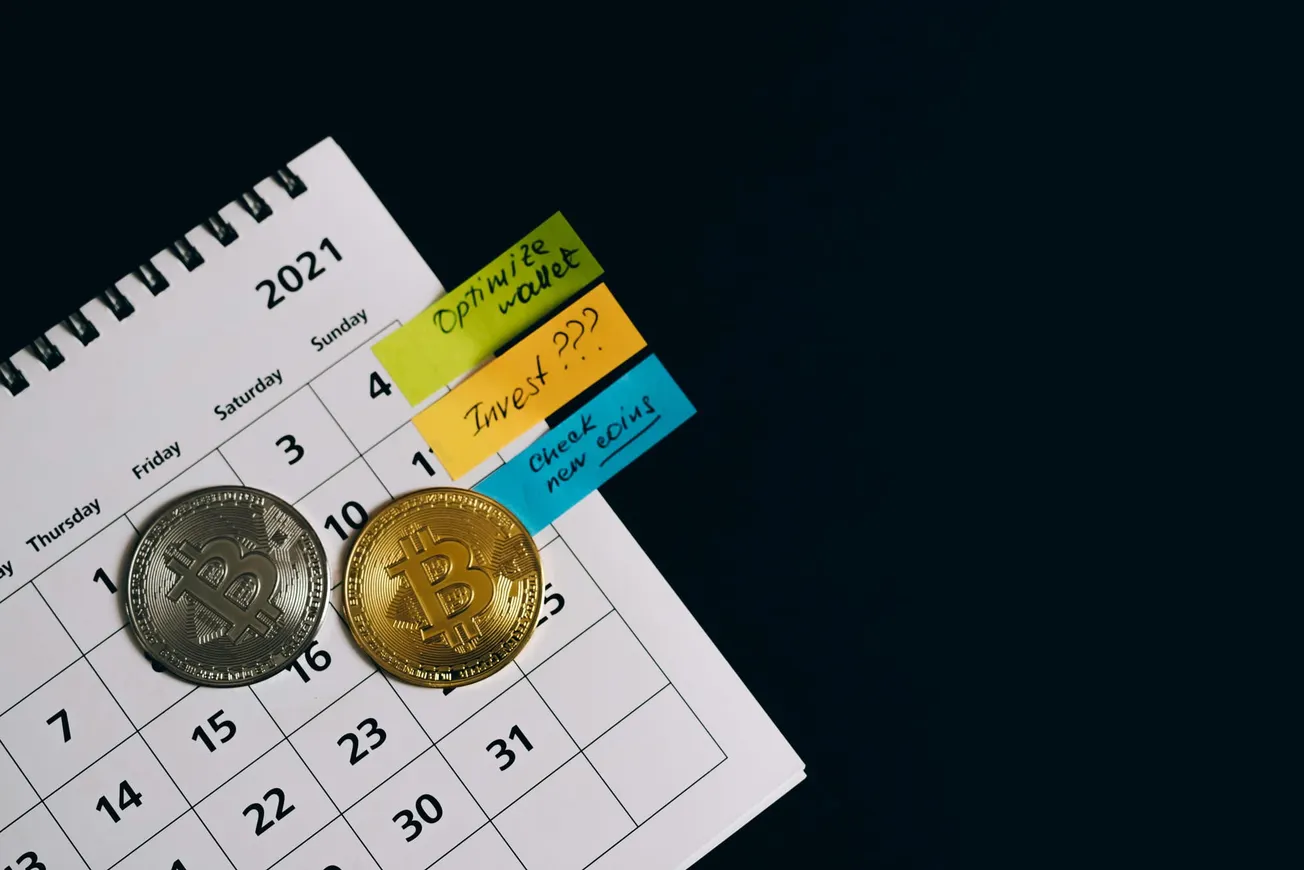
Why creators use crypto tipping
Traditional tipping platforms often take a 30-50% cut, leaving creators with a fraction of what fans intend to give. Crypto tipping removes that middleman. By using the Lightning Network or other Layer 2 solutions, transaction fees drop to fractions of a cent. This allows fans to send tips as small as a single satoshi (~$0.001) without losing value to network costs.
Beyond fees, crypto tipping offers direct ownership. Payments go straight to your wallet, not through a corporate account that can freeze funds or change rules overnight. This direct line to your audience builds a more resilient relationship, especially in high-stakes creative fields.
Global reach is another major advantage. A fan in Japan, Brazil, or Nigeria can send support instantly, without worrying about cross-border banking delays or currency conversion fees. This opens up a worldwide audience that traditional fiat systems often exclude.
Comparing crypto tipping platforms
Choosing the right tipping tool depends on where your audience lives and how much friction you want to introduce between a viewer and their wallet. Some platforms act as all-in-one storefronts, while others are lightweight widgets you drop into existing content. Below, we break down the leading options based on supported chains, integration complexity, and fee structures.
| Platform | Supported Chains | Integration Method | Fee Structure |
|---|---|---|---|
| tip.md | Ethereum, Solana, Bitcoin | Markdown button embed | Network gas + small platform fee |
| Streamlabs | Bitcoin, Ethereum, Litecoin, Dogecoin | Direct stream overlay/widget | 1% transaction fee |
| BTCPay Server | Bitcoin, Liquid, Lightning | Self-hosted or cloud instance | 0% platform fee (network only) |
| Lumine | Bitcoin, Solana, Ethereum | API for creators | Variable based on volume |
Lightweight embeds vs. full dashboards
Tools like tip.md focus on simplicity. You get a markdown button that you can paste into blog posts, documentation, or social bios. It supports major chains like Ethereum, Solana, and Bitcoin, making it versatile for developers and writers who want a low-friction way to accept support. The trade-off is that you don't get a built-in audience or analytics dashboard; it's purely a payment rail.
In contrast, platforms like Streamlabs or Lumine offer more robust ecosystems. Streamlabs is a staple for live streamers, offering direct overlay widgets that display tipping activity in real-time. It supports a wide range of altcoins alongside Bitcoin and Ethereum, but charges a 1% transaction fee on top of network costs. This is a reasonable price for the convenience of having a unified dashboard for donations, subscriptions, and tips.
Self-hosted control
For creators who prioritize privacy and zero platform fees, BTCPay Server is the gold standard. It is open-source and non-custodial, meaning you hold the keys to your funds. It primarily focuses on Bitcoin and the Lightning Network, though it also supports Liquid and Ethereum. Because you host it yourself (or pay a small fee for a managed instance), there are no platform fees, only the underlying blockchain network fees. This is ideal for long-term creators who want to avoid platform risk and keep 100% of their tips.
Choosing the right fit
If you are a developer or writer, a simple embed like tip.md is likely sufficient. If you are a live streamer, you need the real-time visibility of a tool like Streamlabs. If you are building a sustainable, independent brand and want full control over your financial data, BTCPay Server is the most robust option, despite the steeper setup curve.
The technical backbone of tipping
You can have the best crypto wallet, but if the network is slow or expensive, your fans will abandon the tip before it arrives. This is where infrastructure matters most. For small, frequent interactions like tipping, the blockchain you choose dictates whether the transaction feels instant and free or like a frustrating hassle.
Layer 2 networks
Layer 2 (L2) solutions sit on top of existing blockchains like Ethereum to process transactions faster and cheaper. Instead of every tip competing for space on the main network, L2s bundle thousands of transactions together and settle them later. This reduces gas fees from several dollars to mere cents, making it viable to tip $0.50 or $1.00 without losing half the amount to fees. Popular L2s include Arbitrum and Optimism, which are now standard for creator platforms looking to scale.
The Lightning Network
For Bitcoin, the Lightning Network is the go-to solution. It creates off-chain payment channels that allow near-instant transactions with fees that are fractions of a cent. This is why you can tip a creator a single satoshi (~$0.001) without the transaction cost exceeding the tip itself. The Lightning Network has effectively turned Bitcoin into a real-time payment system, removing the historical bottleneck of 10-minute block times and volatile fees.
Stablecoins on fast chains
Some creators prefer stablecoins like USDC or USDT to avoid price volatility. While Ethereum mainnet is too expensive for small tips, networks like Solana or Polygon offer high throughput and low fees. Solana, for example, processes thousands of transactions per second with fees often under $0.01. This makes it ideal for high-volume, low-value interactions where speed and cost are the primary concerns.
Why this matters for creators
Choosing the right infrastructure isn't just about technical specs; it's about user experience. If your fans face high fees or slow confirmation times, they will stop tipping. By leveraging L2s, Lightning, or fast stablecoin chains, you ensure that the money you receive is the money they sent, minus a negligible network fee. This seamless experience encourages more frequent support and builds a more engaged audience.
Tools that handle the payments
Crypto tipping works best when the friction is invisible. Platforms like ReddCoin and other dedicated tipping software let creators receive direct payments from audiences without intermediaries taking 30-50% cuts. The Lightning Network has made this practical by reducing transaction fees to fractions of a cent, enabling tips as small as a single satoshi.
This infrastructure shifts the power back to the creator. Instead of waiting for monthly payouts or dealing with chargebacks, creators get instant settlement. The key is choosing a tool that integrates smoothly with your existing workflow, whether that’s Twitter, YouTube, or a personal blog.
Hardware and resources for secure management
If you are receiving significant volume, securing your assets becomes a priority. You will need reliable hardware wallets to store your earnings safely, separate from the hot wallets used for daily tipping. Additionally, staying informed about tax implications and security best practices is essential for long-term sustainability in this space.



As an Amazon Associate, we may earn from qualifying purchases.
Security and tax compliance basics
Crypto tipping is fast, but it isn’t anonymous. Every transaction lives on a public ledger, and tax authorities are watching. If you’re treating your wallet like a digital tip jar, you need to treat it like a business account.
Start with security. Your private keys are the only thing standing between your earnings and a empty wallet. Use a hardware wallet for any significant accumulation; never store large amounts on an exchange or in a browser extension. Enable two-factor authentication on every account linked to your crypto activities, and be wary of phishing sites that mimic popular tipping platforms. Security is not a feature; it is the foundation.
Then, handle the taxes. In the United States, the IRS views crypto as property. This means every tip you receive is a taxable event. You must report the fair market value of the cryptocurrency in USD at the exact moment you received it. Even if you didn’t cash out, you owe taxes on the value when it hit your wallet. Keep a simple log: date, amount, USD value, and sender. Tools like Koinly or CoinTracker can automate this, but the record-keeping responsibility is yours.
Ignoring this won’t make it go away. A missed tip is just an unreported income stream. Keep your records clean, secure your keys, and file accordingly.
No comments yet. Be the first to share your thoughts!