What crypto tipping actually means
Crypto tipping is the practice of sending small amounts of cryptocurrency to creators as a direct gesture of appreciation. Unlike traditional payment processors that take 30-50% cuts, crypto tipping platforms let creators receive payments without intermediaries. The Lightning Network has made this practical by reducing transaction fees to fractions of a cent, enabling tips as small as a single satoshi (~$0.001).
This model shifts the power dynamic. Creators keep more of what their audience gives, and fans can support them for the price of a digital coffee. It’s not about speculation; it’s about infrastructure. You’re using a payment rail that’s built for speed and low cost, not a volatile asset to hold.
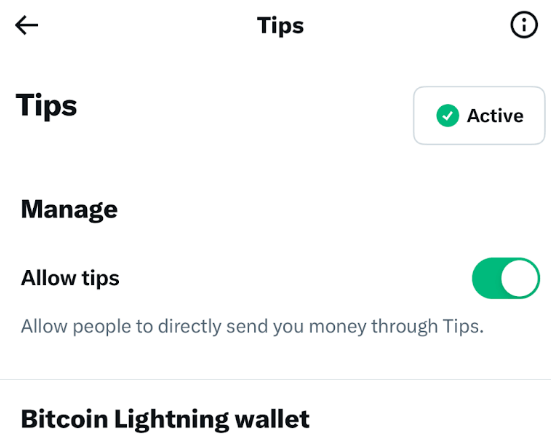
Major platforms like X (formerly Twitter) have integrated this directly into their interfaces, making it easier than ever for fans to tip with crypto. The result is a more efficient, direct connection between creator and audience.
Comparing top tipping platforms
The infrastructure layer for crypto tipping has fragmented into specialized providers. Choosing the wrong stack can result in high withdrawal fees or a clunky user experience that kills conversion rates. For web3 creators, the decision isn't just about which coin to accept, but which gateway handles the plumbing.
Alby has emerged as the standard for Bitcoin-native interactions, leveraging the Lightning Network to enable instant, near-zero fee transactions. It is particularly effective for social platforms and chat-based communities where speed is paramount. Fountain offers a similar experience but with a stronger focus on podcast monetization and direct wallet integration, allowing listeners to support creators without leaving the app. Nostr Zaps operate on the Nostr protocol, providing a decentralized, server-less tipping mechanism that appeals to privacy-focused audiences. Finally, tip.md provides a lightweight, multi-chain solution for web-based content, allowing creators to embed tipping buttons directly into markdown or HTML with support for Ethereum, Solana, and Bitcoin.
The following comparison outlines the primary differences in network support, fee structures, and ideal use cases for each provider.
| Platform | Primary Networks | Fee Structure | Best For |
|---|---|---|---|
| Alby | Bitcoin (Lightning) | ~1% + network fees | Social media, chat, instant tips |
| Fountain | Bitcoin (Lightning) | Variable by integration | Podcasts, direct wallet support |
| Nostr Zaps | Bitcoin (Lightning) | ~1% + zap route fees | Decentralized social (Nostr) |
| tip.md | BTC, ETH, SOL | ~2-3% + gas | Websites, blogs, multi-chain |
Alby and Fountain dominate the Bitcoin Lightning space, but their integration points differ significantly. Alby is a browser extension and wallet that plugs into existing social platforms, making it easier for creators to adopt without building custom infrastructure. Fountain is more of a dedicated ecosystem for podcasters, offering tools specifically designed for audio content monetization. Nostr Zaps are unique in that they do not rely on a central server for routing, which reduces censorship risk but requires users to have a Nostr client configured. tip.md is the most flexible for general web developers, supporting multiple chains through a simple API, though it may incur higher Ethereum gas fees during network congestion.
When selecting a platform, prioritize the network your audience already uses. If your community is primarily on Twitter or Nostr, Alby or Nostr Zaps are the natural fit. For podcasters, Fountain's specialized tools may offer better retention. If you need to accept Ethereum or Solana tips alongside Bitcoin, tip.md provides the necessary multi-chain support, though you must account for the variability of gas fees across different blockchains.
Choosing infrastructure for your audience
Selecting a crypto-tipping infrastructure is less about chasing the lowest fee and more about matching your platform's wallet maturity. If your audience is primarily on Twitter or Telegram, they likely need a frictionless entry point like the Lightning Network or a social login wrapper. For audiences comfortable with self-custody, direct on-chain settlements on Layer 2s like Base or Arbitrum offer lower costs than Ethereum mainnet while maintaining transparency.
The choice of blockchain directly impacts conversion rates. High gas fees on legacy networks can discourage micro-tips, turning a gesture of appreciation into a costly transaction. Conversely, platforms that abstract away seed phrases and gas payments—often called "account abstraction" or "smart wallets"—significantly reduce the barrier to entry for non-technical users.
A comparison of the leading infrastructure providers reveals distinct trade-offs between ease of use and control. Some platforms prioritize seamless integration with social feeds, while others offer deeper customization for creators who already have a dedicated wallet setup. The right choice depends on whether you value immediate accessibility or long-term sovereignty over your revenue stream.

Managing volatility and payouts
Crypto tipping creates a liquidity paradox: your audience gives you digital assets, but your rent is due in fiat. Without a clear conversion strategy, a viral moment can result in a net loss if the token price drops before you cash out. The goal isn't to speculate on the tip itself, but to preserve the value of the labor you just performed.
The most common infrastructure choice is an immediate swap to stablecoins or fiat. Platforms like Spark.money facilitate this by allowing creators to route tips directly into USD-pegged assets or bank accounts, effectively removing the price risk. This approach treats the crypto wallet as a payment processor rather than an investment portfolio. If you hold volatile assets like Bitcoin, you are essentially accepting a tip that fluctuates in value every second, which adds unnecessary financial stress to your creative work.
To visualize the risk, consider the difference between holding a volatile asset versus a stable one. A live price widget can show you the current state of the market, helping you decide whether to hold or swap.
Regulatory compliance is equally critical. The IRS treats cryptocurrency as property, meaning every swap or conversion is a taxable event. Keeping accurate records of the fair market value at the time of receipt is essential for tax season. Many creators use automated accounting tools that sync with their wallets to track these basis values. Ignoring this step can lead to significant penalties, turning a small side income into a complex tax liability.
Ultimately, the best system is one that minimizes friction and maximizes retention. Whether you choose a platform that auto-swaps to stablecoins or a wallet that supports direct fiat off-ramps, the priority should be stability. Your audience wants to support your work, not fund your trading errors.
Implementation checklist for creators
Launching a crypto tipping system requires bridging on-chain infrastructure with your existing audience touchpoints. The goal is frictionless giving: a single click that settles instantly without exposing your private keys or forcing fans to navigate complex exchanges.
Segregate your tipping funds from your primary savings or trading wallet. Use a non-custodial wallet like MetaMask or Phantom to maintain control. This separation simplifies tax reporting and limits exposure if your main account is compromised.

Select a middleware solution based on your platform. If you run a Discourse forum, open-source plugins like the Metamask integration allow direct ETH transfers. For websites, tools like tip.md offer markdown buttons that support Ethereum, Solana, and Bitcoin across multiple chains.
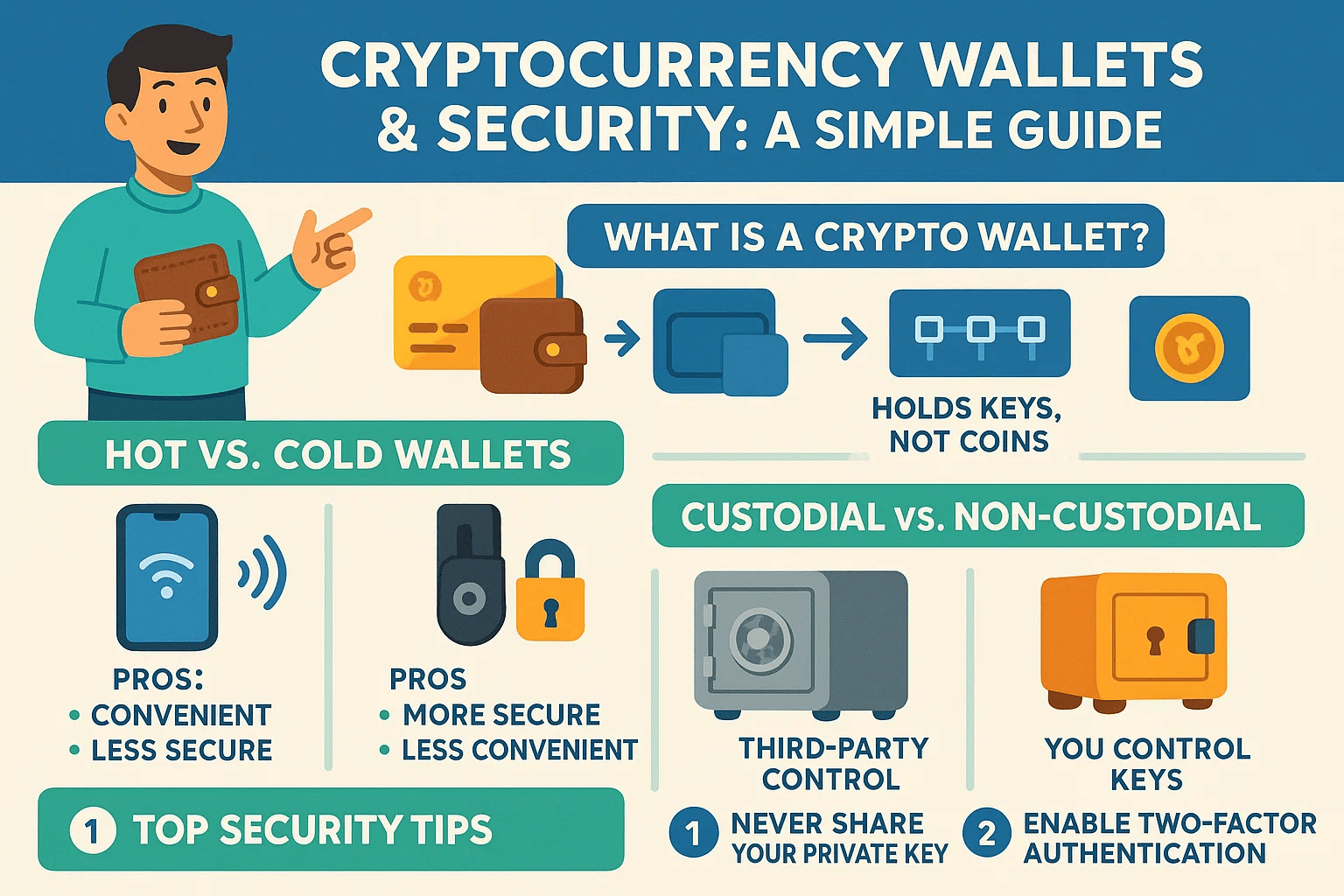
Decide whether to absorb network fees or pass them to the tipper. For high-frequency, low-value tips, the Lightning Network is often superior due to near-zero costs. For standard ERC-20 tokens, ensure your contract allows for gas-free transfers or use a relayer service to subsidize costs during beta testing.
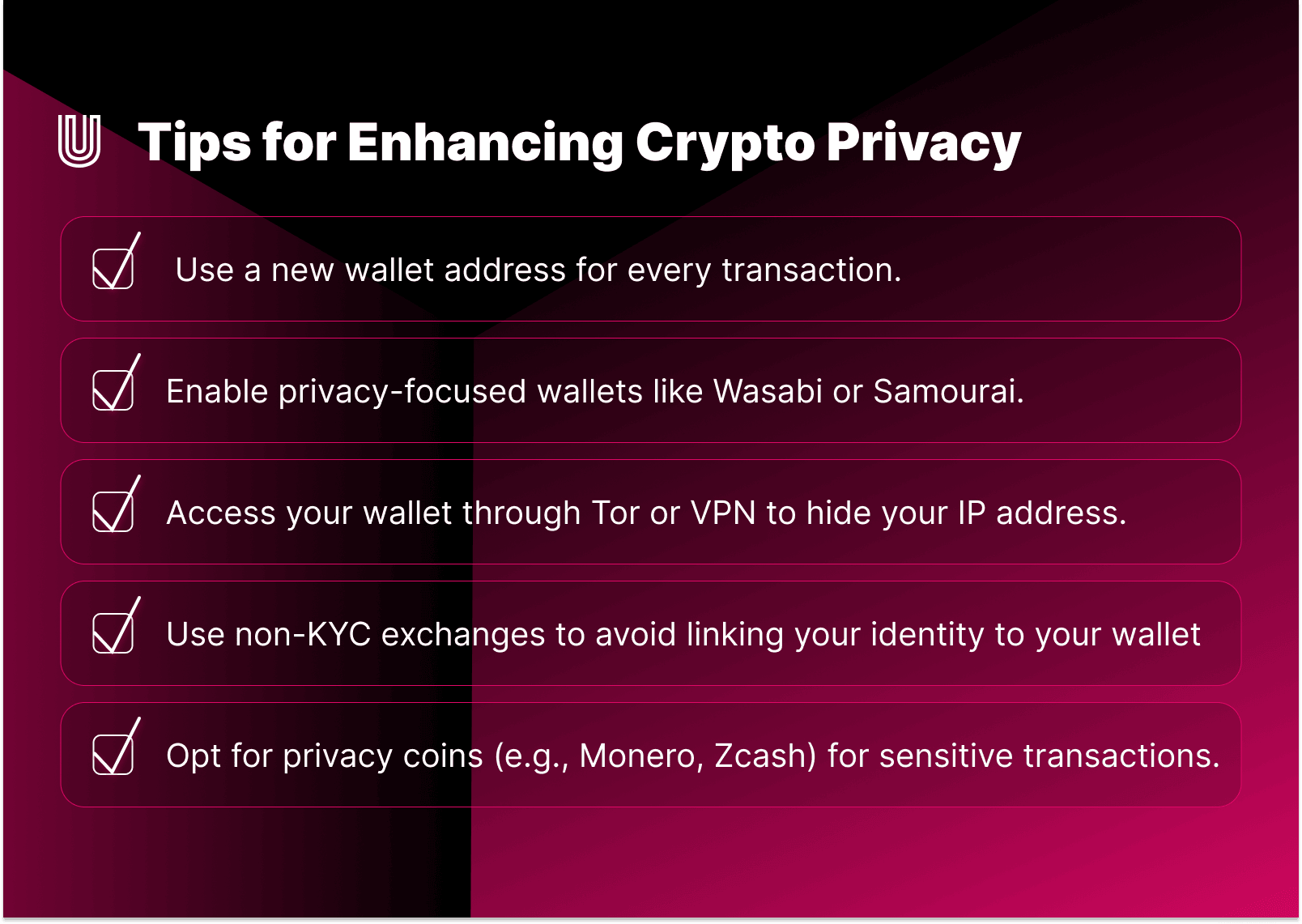
Before going live, send test tips of varying sizes (e.g., 100 sats, 0.01 ETH) to verify that notifications trigger correctly and funds land in your designated wallet. This step catches broken webhooks or incorrect chain ID configurations that could lead to lost tips.
In the United States, the IRS treats cryptocurrency tipping as taxable income for the recipient. Ensure your platform’s user agreement clearly states that tips are voluntary and subject to reporting. Consider using accounting software that integrates with your wallet to track these inflows automatically.
Common questions about crypto tipping
Crypto tipping platforms let creators receive direct payments from audiences without intermediaries taking 30-50% cuts. The Lightning Network made this practical by reducing transaction fees to fractions of a cent, enabling tips as small as a single satoshi (~$0.001). This infrastructure shift allows creators to monetize micro-interactions that were previously financially impossible on traditional social media.
Is crypto tipping legal and taxable?
Yes, crypto tipping is legal in most jurisdictions, but it is treated as taxable income. The IRS considers cryptocurrency as property, meaning every tip received is a reportable event. Creators must track the fair market value of each tip in USD at the time of receipt. Failure to report these transactions can lead to significant penalties, so maintaining accurate records is essential for compliance.
Which networks are best for tipping?
The Bitcoin Lightning Network and Ethereum (Layer 2) are the most practical choices. Lightning offers near-instant settlements with negligible fees, ideal for small, frequent tips. Ethereum Layer 2 solutions like Arbitrum or Optimism provide lower fees than mainnet Ethereum while maintaining high security. Avoid using mainnet Ethereum for small tips due to gas costs that often exceed the tip value itself.
How do I receive crypto tips securely?
Use a dedicated hot wallet for daily operations and a cold storage solution for accumulated funds. Never share your private keys. Many platforms integrate directly with wallets like Phantom or MetaMask, streamlining the receipt process. Always verify the receiving address before sharing it publicly to prevent phishing attempts and ensure tips reach your intended destination.
No comments yet. Be the first to share your thoughts!