How crypto tipping works in practice
Crypto-enabled tipping is a mechanism for direct, low-friction value transfer. It allows a sender to move digital assets straight to a recipient’s wallet address without routing the transaction through a traditional payment processor. This structure removes the intermediary layer that typically handles settlement, fraud checks, and currency conversion.
The primary distinction lies in the removal of the middleman. Traditional platforms often retain 30–50% of the transaction value as processing fees. In contrast, crypto tipping relies on blockchain networks to validate and record the transfer. The sender pays a network fee (gas), and the recipient receives the full asset amount minus any minimal protocol costs. This makes it a preferred method for micro-transactions where traditional credit card fees would render small tips economically unviable.
Platform adoption has shifted this from a niche experiment to a standard feature. X (formerly Twitter) introduced its "Tips" feature, explicitly including cryptocurrency as a payment option, signaling a broader acceptance of this infrastructure for social engagement.
To understand the economic context, consider the current market dynamics. The following chart illustrates the recent price action of Bitcoin, the most common asset used for tipping due to its liquidity and widespread wallet support.
While Bitcoin dominates volume, stablecoins are increasingly used to mitigate volatility risks. The table below compares the typical fee structures and settlement times between traditional processors and crypto networks.
| Feature | Traditional Processor | Crypto Network |
|---|---|---|
| Intermediary Fee | 3–5% + fixed fee | Network gas fee only |
| Settlement Time | 1–3 business days | Minutes to hours |
| Accessibility | Bank account required | Wallet address only |
The Technical Stack Behind Crypto Tipping
To enable crypto tipping, you need to bridge three distinct layers: the blockchain network, the user wallet, and the settlement infrastructure. Unlike traditional payment processors that handle the complexity in the background, crypto tipping requires the platform to explicitly manage transaction fees, network congestion, and token volatility.
Selecting the Right Network
The choice of blockchain dictates the user experience. High-fee networks like Ethereum mainnet are generally unsuitable for small, frequent tips unless the platform subsidizes gas costs via Layer 2 solutions. Networks with low transaction costs and fast finality—such as Solana, Base, or Polygon—are preferred for micro-transactions. The volatility of native tokens like ETH or SOL also introduces risk; if a creator receives 0.01 ETH, the fiat value can swing significantly before they convert it. This is why stablecoins (USDC, USDT) are increasingly the standard for tipping, offering the speed of crypto with the price stability of fiat.
Wallet Integration and User Onboarding
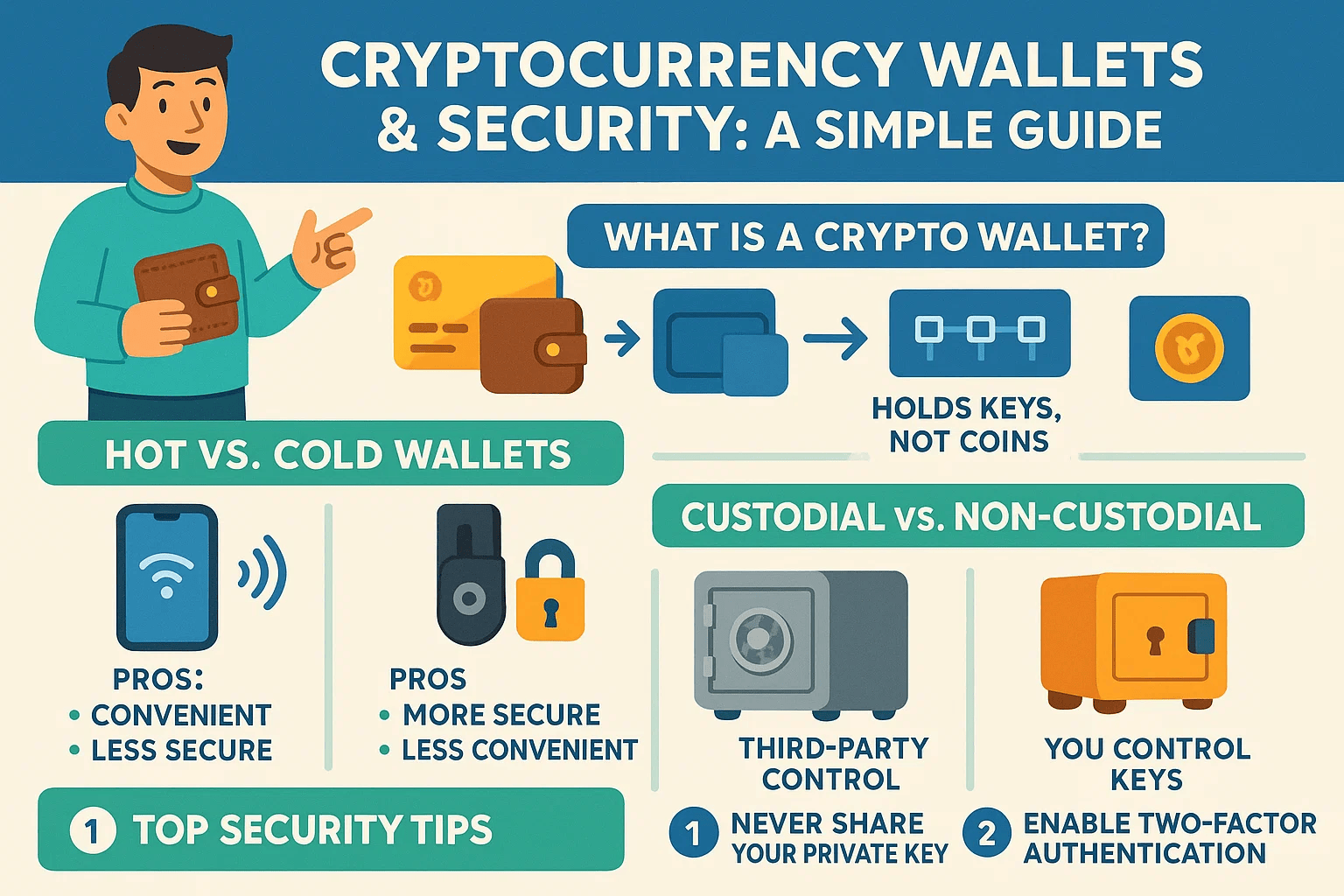
The friction point for most tipping systems is wallet connection. Users should not need to manage private keys manually. The infrastructure must support Web3 wallets like MetaMask or WalletConnect for advanced users, but also offer "smart wallet" abstractions that allow email-based onboarding. Plugins like the open-source Discourse cryptocurrency tip system demonstrate how platforms can integrate these capabilities directly into their UI, allowing users to sign transactions seamlessly without leaving the content environment.
Settlement and Compliance
Once the tip is sent, the settlement layer must handle the transfer of value. This involves interacting with the blockchain’s mempool and ensuring the transaction is confirmed before crediting the recipient’s internal balance. For platforms handling significant volume, integrating with custodial services or non-custodial smart contracts is necessary to manage liquidity and ensure regulatory compliance. The technical debt here is high; a bug in the transaction logic can lead to lost funds or failed payouts.

The volatility of the underlying asset is a critical factor in this infrastructure. If you are accepting native tokens rather than stablecoins, your treasury management must account for price swings. The following chart illustrates the volatility risk associated with Bitcoin, which is even more pronounced for altcoins often used in tipping ecosystems.
For platforms looking to implement this quickly, third-party APIs like tip.md offer multi-chain support through simple integration points, reducing the need to build custom smart contract infrastructure from scratch. However, this convenience comes with the trade-off of relying on a third party for settlement and potentially higher fees.


As an Amazon Associate, we may earn from qualifying purchases.
Comparing major tipping platforms
Selecting the right infrastructure depends on whether you prioritize decentralization, ease of use, or integration depth. The landscape is fragmented, with each platform optimizing for a different slice of the crypto tipping market. Below is a structured comparison of the five dominant tools: Alby, Fountain, Geyser, Stacker News, and Nostr Zaps.
Platform comparison
The following table breaks down the technical and economic differences. Note that fee structures often vary based on transaction volume and withdrawal methods.
| Platform | Supported Networks | Fee Structure | Integration Complexity |
|---|---|---|---|
| Alby | Bitcoin (Lightning) | 0% platform fee; network fees apply | Browser extension, LND plugin, Node.js SDK |
| Fountain | Bitcoin (Lightning) | Variable; depends on podcast integration | Podcast app embedding, API |
| Geyser | Bitcoin (Lightning) | 1-2% processing fee | GitHub, GitLab, Discord, Twitter |
| Stacker News | Bitcoin (Lightning) | 0% platform fee; node operator fees | Standalone site, Nostr relay |
| Nostr Zaps | Bitcoin (Lightning) | Lightning node fees only | Nostr clients, NIP-57 support |
Key trade-offs
Alby acts as a universal gateway for Bitcoin Lightning. It is the most versatile option for developers building custom tipping solutions because it abstracts away the complexity of running a Lightning node. For creators who want to accept tips across multiple platforms (like Twitter or Discord) without managing separate wallets, Alby’s unified identity is a strong advantage. However, it relies on a centralized account structure, which some decentralization purists avoid.
Geyser has carved out a niche in the developer community. Its integration with GitHub and GitLab means developers can receive tips directly on pull requests and issues. This creates a seamless feedback loop where code contributions are immediately monetizable. The trade-off is that Geyser is less effective for general social media tipping compared to Alby or Nostr Zaps.
Stacker News and Nostr Zaps represent the purest forms of decentralized tipping. Stacker News operates as a standalone platform with no central authority, while Nostr Zaps leverage the NIP-57 standard to allow tips across any Nostr client. Both require users to manage their own Lightning nodes or use custodial services, which introduces friction. However, they offer the highest degree of censorship resistance and user sovereignty.
Fountain is unique because it focuses on audio content. Its tipping infrastructure is embedded directly into podcast apps, allowing listeners to tip creators while consuming content. This is ideal for podcasters but irrelevant for text-based or visual content creators.
Market context
The value of these tips is tied to Bitcoin’s price. The current market volatility affects both the perceived value of tips for creators and the cost of transactions for senders.
For most creators, the choice comes down to audience location. If your audience is primarily on Twitter or Discord, Alby or Geyser are the easiest entry points. If your audience is deeply embedded in the Nostr ecosystem, Nostr Zaps are the native choice. For podcasters, Fountain is the only viable option.
Technical infrastructure
Regardless of the platform, all these tools rely on the Lightning Network. This means tips are settled off-chain, allowing for instant, near-zero-fee transactions. The technical complexity is hidden from the end user but remains a critical factor for platform stability and uptime.
Build a Tipping Strategy That Scales
The gap between traditional fiat tipping and crypto-enabled microtransactions is closing, but only for platforms that prioritize settlement speed and regulatory clarity. For creators, the primary advantage is the removal of intermediary fees that typically consume 30–50% of digital transactions. However, this benefit is contingent on choosing the right infrastructure. A strategy that ignores the volatility of native cryptocurrencies or the regulatory nuances of stablecoins will ultimately fail to retain its audience.
Prioritize Stablecoin Settlement
Volatility is the enemy of microtransactions. A tip that is worth $5 at the moment of sending can be worth $4.80 seconds later, eroding the creator’s revenue and confusing the user experience. Most successful crypto tipping platforms now default to stablecoins like USDC or USDT for these transactions. These assets maintain a peg to the US dollar, ensuring that the value transferred is predictable and stable.
By anchoring tipping to stablecoins, platforms can offer the speed and low cost of blockchain technology without the risk associated with speculative assets. This approach also simplifies accounting for both creators and platforms, making it easier to integrate with existing financial reporting tools. The stability of USDC, for instance, is backed by fully reserved assets, providing a layer of trust that is essential for high-volume, low-value transactions.
Align with Platform Native Features
Rather than building a separate tipping ecosystem, the most effective strategy integrates directly into existing social platforms. X (formerly Twitter) introduced native crypto tipping, allowing users to tip directly on posts using Bitcoin or Lightning Network transactions. This integration reduces friction by eliminating the need for users to navigate to a third-party site or wallet. Similarly, Discord has explored crypto tipping through its server boost ecosystem, leveraging the platform’s existing community structures.
The key is to leverage these native capabilities. For creators, this means optimizing content for these specific features. For platforms, it means ensuring that the underlying infrastructure can handle the transaction load without compromising performance. The technical chart below illustrates the typical volatility of Bitcoin, highlighting why Lightning Network or stablecoins are preferred for instant, small-value transfers.
Manage Regulatory and Tax Compliance
Regulatory risk is the most significant barrier to widespread adoption. In many jurisdictions, crypto tips are treated as taxable income, similar to fiat tips. Creators must be transparent about this with their audiences, providing clear receipts and documentation. Platforms, meanwhile, must ensure that their infrastructure complies with local anti-money laundering (AML) and know-your-customer (KYC) regulations.
A robust strategy includes providing users with automated tax reporting tools. This could be as simple as generating a monthly summary of all incoming crypto tips, or as complex as integrating with third-party tax software. By proactively addressing compliance, platforms can build trust with both creators and regulators, paving the way for broader adoption. The goal is to make the complexity of crypto invisible to the end-user, while maintaining full transparency for compliance purposes.
Choosing the right tipping tool
Selecting a crypto tipping infrastructure requires matching the technical complexity to your audience size and content type. A solo streamer might prioritize ease of use, while a media organization needs robust compliance and multi-chain support. The decision hinges on three factors: transaction fees, payout liquidity, and user friction.
If your audience consists of non-crypto natives, prioritize platforms that abstract away wallet creation. Tools that allow credit card purchases on the backend or use account abstraction reduce friction significantly. For highly technical audiences, direct wallet connections (like MetaMask or Phantom) offer lower fees and greater transparency.

Transaction costs can erode small tips. Analyze the supported networks: Layer 2 solutions like Arbitrum or Base offer near-zero fees, while Bitcoin Ordinals or Ethereum mainnet can be prohibitively expensive for micro-tipping. Use the widget below to monitor current gas costs on major networks to inform your network selection.
For high-stakes content, ensure the platform supports fiat off-ramps or stablecoin payouts to avoid volatility risk. Check if the tool integrates with your existing CMS or social platforms (X, Bluesky, Discord). Official platform documentation should clearly outline their KYC/AML requirements for creators receiving funds.
The table below compares key infrastructure attributes for common tipping scenarios. Use this to narrow your options before diving into specific vendor sign-ups.
| Network | Avg. Fee | Best For |
|---|---|---|
| Solana | <$0.01 | High-volume micro-tips |
| Ethereum (L2) | <$0.10 | Balanced security and cost |
| Bitcoin (Lightning) | Near-zero | Instant, global payments |
| Ethereum (Mainnet) | $1-$10+ | Large, one-off contributions |
No comments yet. Be the first to share your thoughts!