The shift toward direct creator payments
Crypto tipping is moving from niche experimentation to mainstream infrastructure. Platforms are increasingly adopting blockchain rails to reduce intermediary fees and improve settlement speed. This shift addresses a core pain point for creators: traditional payment processors often take 30-50% of transactions or impose lengthy holding periods for funds.
The transition is marked by a clear adoption curve. As noted by industry analysts, crypto is expected to cross the 10% adoption threshold in 2025, signaling a move from early adopters to broader market penetration. For creators, this means receiving payments directly from audiences without the friction of traditional banking intermediaries.
The volatility of digital assets remains a factor, but the infrastructure benefits are driving adoption. Platforms are leveraging stablecoins and Layer 2 solutions to ensure that tips arrive instantly and with minimal cost. This infrastructure shift is not just about technology; it is about redistributing power and revenue back to the content creators who generate value.
Comparing top crypto tipping platforms
Choosing the right infrastructure depends on balancing transaction costs, settlement speed, and the specific blockchain ecosystem your audience inhabits. While the underlying technology varies, most modern tipping solutions aim to remove the 30-50% intermediary cuts typical of traditional payment processors. The following comparison highlights the operational differences between leading providers to help you select the appropriate stack for your use case.
| Provider | Supported Chains | Platform Fee | Settlement | User Experience |
|---|---|---|---|---|
| Strike | Lightning Network (Bitcoin) | 0% for tips | Instant | Seamless fiat-to-crypto on-ramp |
| Lightning Tip Jar | Bitcoin (Lightning) | 0-1% (optional) | Instant | Simple QR code integration |
| OnlyTips | Ethereum, Polygon | 5% platform fee | Block confirmation (~15s) | Web3 wallet required |
| Bitrefill Tips | Bitcoin, Litecoin | Variable (network dependent) | Network dependent | Mobile-first, gift-card focused |
The choice between Lightning Network solutions like Strike and on-chain solutions like OnlyTips often comes down to user friction. Lightning-based tipping offers near-zero fees and instant finality, making it ideal for micro-transactions. However, it requires the recipient to have a Lightning-capable wallet. On-chain Ethereum-based platforms offer broader compatibility with existing Web3 wallets but suffer from higher gas fees and slower confirmation times, which can deter casual tipping behavior.
For creators already embedded in the Ethereum ecosystem, platforms like OnlyTips provide a familiar interface but require users to manage gas fees. This can create a barrier to entry for non-technical audiences. In contrast, Lightning Network implementations abstract away the complexity, allowing users to tip with fiat-backed crypto without ever seeing a gas fee. This abstraction is critical for mass adoption, as it mimics the simplicity of sending a text message rather than executing a smart contract.
When evaluating these platforms, consider the volatility of the underlying asset. While stablecoins eliminate price risk, they often incur higher network fees on certain chains. Bitcoin and Ethereum tips, while subject to market fluctuations, benefit from robust liquidity and widespread recognition. The decision ultimately rests on whether your priority is minimizing friction for the tipper or maximizing the net value received by the creator.
Navigating the legal landscape
Crypto tipping might feel like sending a digital postcard, but legally, it often looks more like running a money service business. When a platform facilitates these transactions, it isn't just passing along a message; it's moving value. That distinction triggers a heavy regulatory framework that platforms must navigate to avoid severe penalties.
At the heart of this compliance structure are Anti-Money Laundering (AML) and Know Your Customer (KYC) requirements. Financial institutions and payment processors are required to verify the identity of their users to prevent illicit activities. For crypto tipping platforms, this means implementing robust identity checks before allowing users to withdraw funds or process large volumes of transactions. Failure to do so can result in hefty fines and the revocation of operating licenses.
The regulatory environment is not static. Authorities worldwide are continuously updating guidelines to address the unique challenges posed by virtual assets. Platforms must stay informed about these changes, as non-compliance can lead to immediate shutdowns or legal action. Building a defensible compliance program is not just a legal obligation; it is a business necessity that ensures long-term viability.
Understanding these requirements is essential for anyone involved in the crypto tipping ecosystem. Whether you are a platform developer or a user, recognizing the legal stakes helps ensure that the innovation of crypto tipping does not come at the cost of regulatory compliance.
Choosing the right tipping infrastructure
Selecting a crypto tipping tool requires balancing three competing priorities: transaction speed, network cost, and regulatory compliance. There is no single "best" platform; the right choice depends entirely on whether you prioritize instant settlement for small audience interactions or low-cost processing for larger volumes.
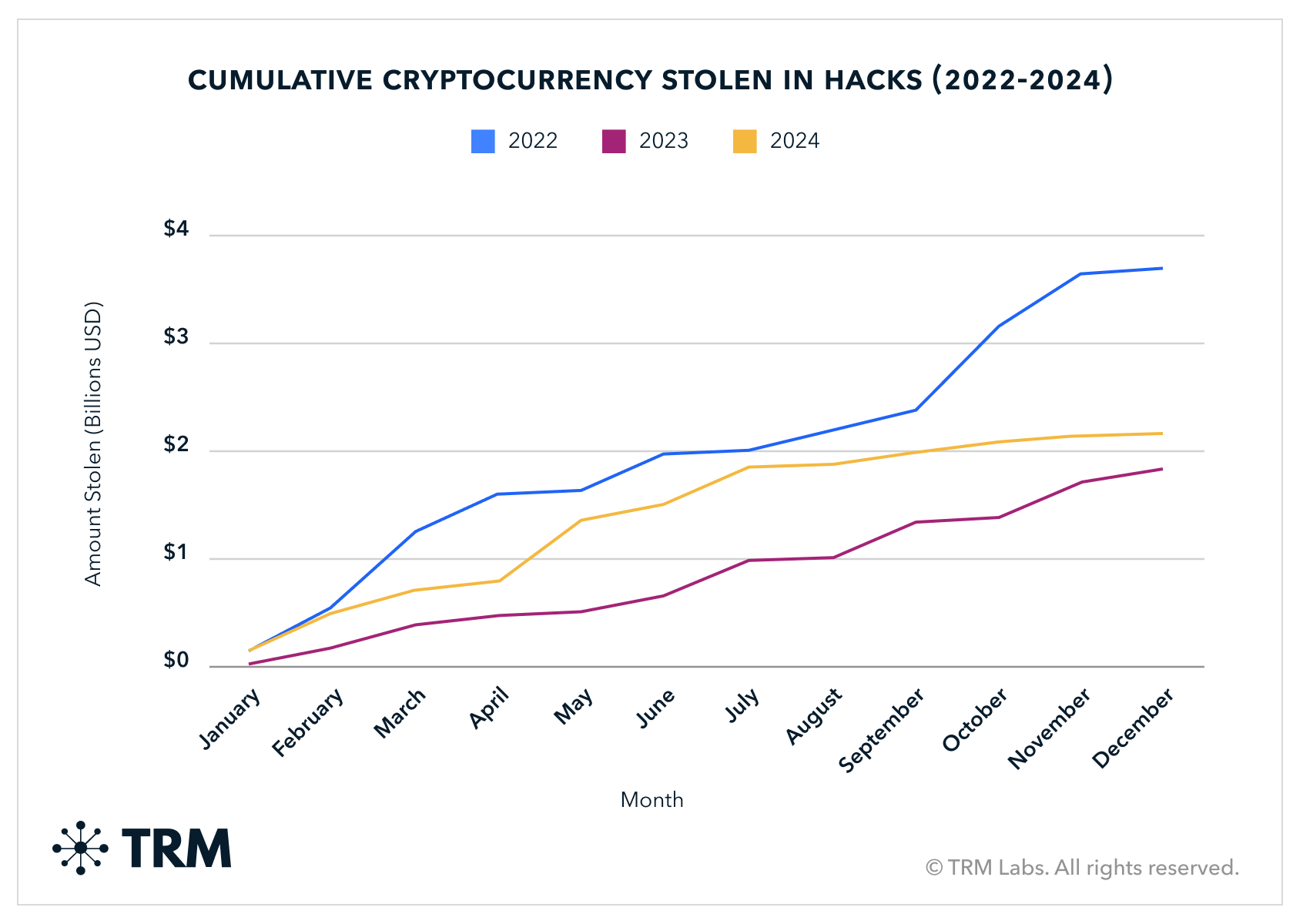
High-frequency, low-value tips (e.g., $1–$5) are economically unviable on Layer 1 networks like Ethereum Mainnet due to gas fees. For this use case, Layer 2 solutions (Arbitrum, Optimism) or Layer 1s with low fees (Solana, Base) are essential to ensure the tip amount isn’t consumed by transaction costs.
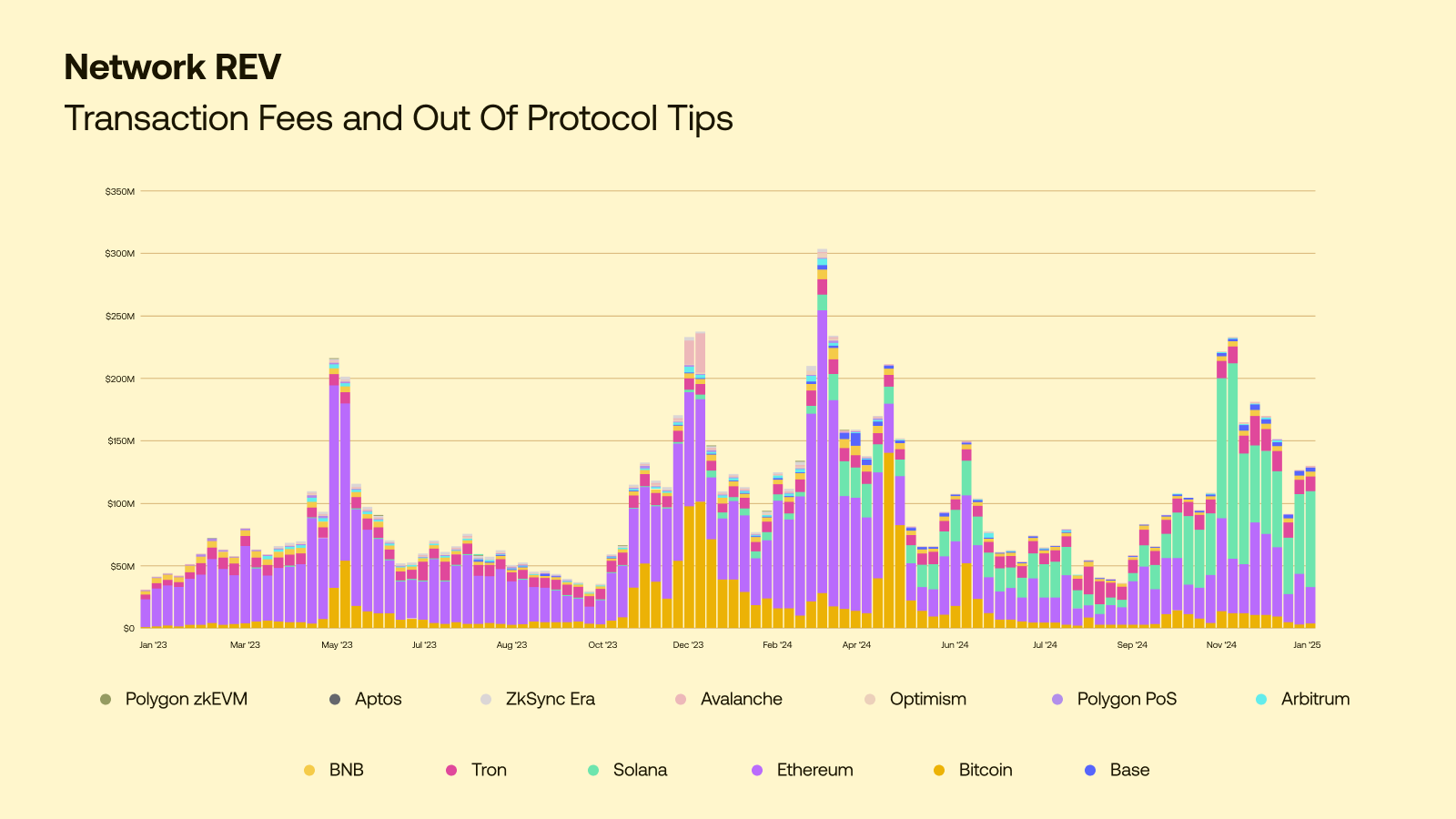
Platforms vary significantly in their adherence to financial regulations. If your audience includes institutional donors or you require audit trails for tax purposes, choose infrastructure that integrates with regulated fiat on-ramps or offers built-in identity verification. Unhosted wallet solutions offer privacy but shift the compliance burden entirely to the creator.
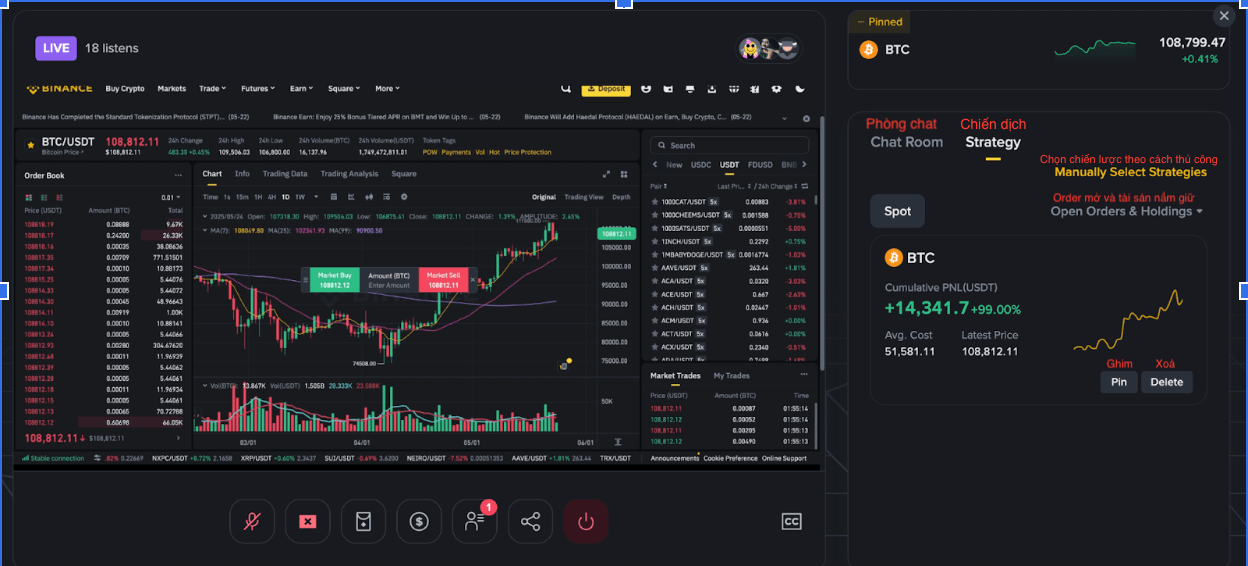
Support for stablecoins (USDC, USDT) reduces volatility risk for both the tipper and the creator. However, supporting multiple chains increases technical complexity. Start with a single, high-liquidity chain that matches your audience’s existing wallet habits to minimize friction during onboarding.
| Primary Goal | Recommended Network | Trade Off |
|---|---|---|
| Speed & Low Cost | Solana or Base | Lower institutional adoption |
| Maximum Security & Compliance | Ethereum Mainnet | High gas fees for small tips |
| Privacy & Autonomy | Lightning Network (BTC) or Monero | Complex user onboarding |
The decision ultimately rests on your audience’s technical sophistication. If your followers are crypto-native, offering multi-chain support with a gas-sponsorship model (where the platform pays fees) provides the best experience. For mainstream audiences, simplicity wins: a single-chain solution with a familiar stablecoin is usually sufficient. Prioritize user experience over feature breadth to reduce drop-off rates during the tipping process.
Frequently asked questions about crypto tipping
Crypto tipping is a method of sending digital currency directly to content creators, streamers, or service providers. Unlike traditional payment processors that route funds through banks or card networks, crypto tipping uses blockchain transactions. This structure allows for near-instant settlement and significantly lower fees, as there are no middlemen to take a 30-50% cut of the transaction. The model prioritizes direct support from audiences to creators, keeping more value in the hands of the recipient.
How does crypto tipping differ from traditional tipping?
The primary difference lies in the infrastructure and cost structure. Traditional tipping via credit cards or digital wallets involves multiple intermediaries—processors, networks, and banks—each taking a percentage. Crypto tipping bypasses these layers. Transactions are recorded on a public ledger, offering transparency and reduced friction. This makes it particularly effective for cross-border support, where traditional banking fees and delays can discourage small, frequent tips.
What are the risks of using crypto for tips?
While efficient, crypto tipping introduces volatility and technical barriers. The value of the tipped asset can fluctuate rapidly between the moment of sending and receiving. Additionally, users must manage digital wallets and understand private keys, which adds a layer of complexity not present in standard payment apps. Regulatory uncertainty also varies by jurisdiction, meaning users and creators should be aware of local tax and reporting obligations regarding digital asset receipts.
Is technical analysis relevant to tipping?
Technical analysis is generally not relevant to the act of tipping itself. It is a trading tool used to predict market price movements based on historical data. While a creator might use technical analysis to decide whether to convert received crypto tips into fiat currency, the tipping mechanism itself is a transfer of value, not a trading strategy. Understanding market trends can help manage the value of received tips, but it does not change how the tip is processed or delivered.
Helpful gear
Use these product recommendations as a starting point, then choose the size, material, and price point that fit how you actually use the gear.



As an Amazon Associate, we may earn from qualifying purchases.
No comments yet. Be the first to share your thoughts!