Crypto-enabled tipping limits to account for
Crypto tipping platforms let creators receive direct payments from audiences without intermediaries taking 30-50% cuts. This model removes the friction of traditional payment processors, allowing micro-transactions that would otherwise be economically unviable due to fixed network fees. However, this freedom introduces a complex infrastructure layer that requires careful navigation.
The primary constraint is volatility. Unlike fiat, crypto assets fluctuate rapidly, meaning the value of a tip can change significantly between the moment it is sent and the moment the creator cashes out. This risk necessitates immediate conversion strategies or stablecoin usage, which adds another layer of technical dependency. Creators must decide whether to hold the asset or convert it instantly, each choice carrying distinct tax and operational implications.
Network fees also pose a barrier. While some chains offer low-cost transactions, others impose high gas fees that can exceed the tip amount itself. This makes Bitcoin and Ethereum mainnets less suitable for small, frequent tips unless layer-2 solutions or specific tipping protocols are used. The user experience must be seamless, or the audience will abandon the process.
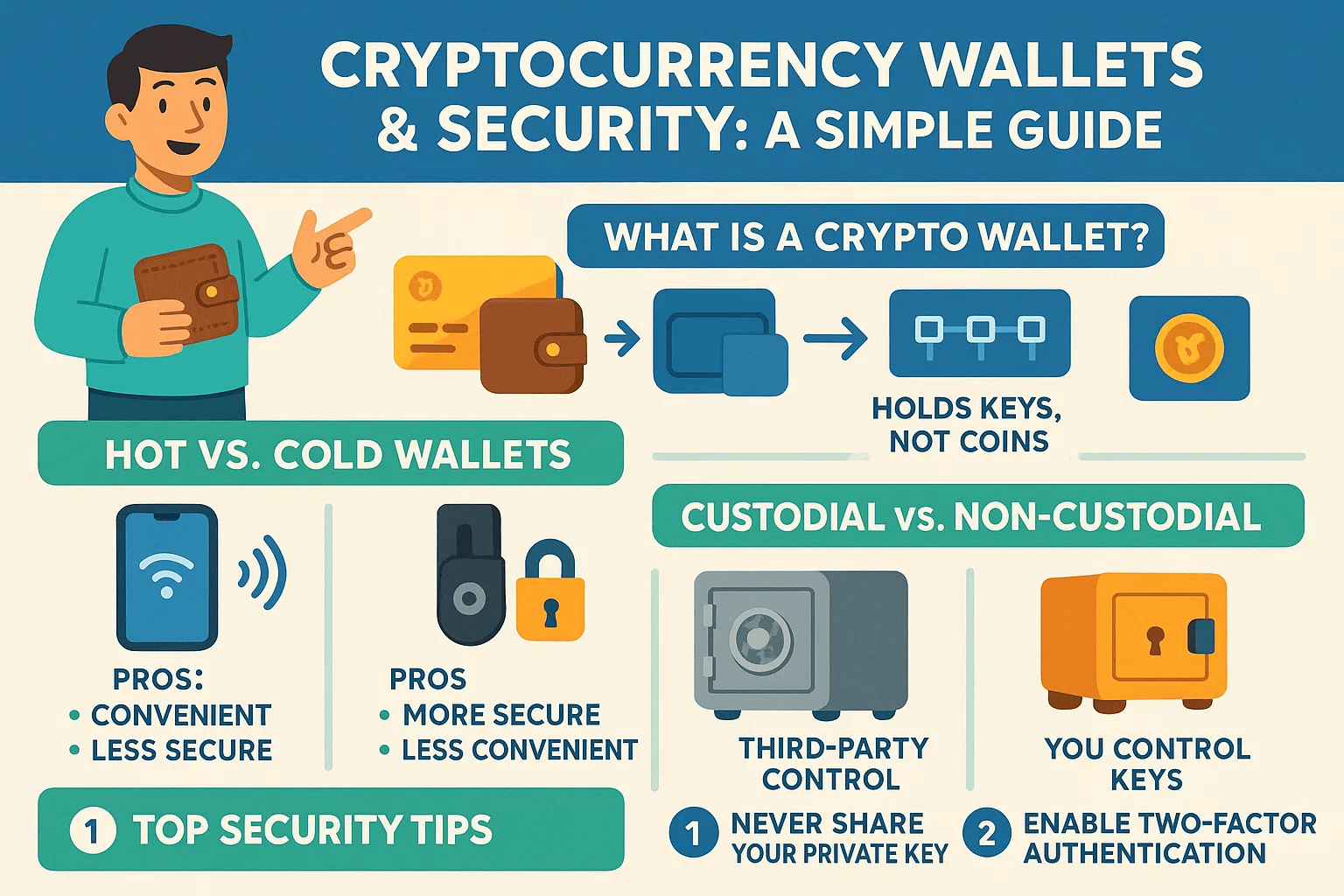
Security is the final hurdle. Handling crypto requires managing private keys or using custodial services. Non-custodial wallets offer maximum control but demand technical literacy that many casual users lack. Custodial platforms simplify the process but reintroduce the counterparty risk that crypto aims to eliminate. Finding the right balance between ease of use and self-sovereignty is the central challenge for any crypto-enabled tipping guide.
Crypto-enabled tipping choices that change the plan
Choosing a crypto tipping infrastructure requires balancing speed, cost, and compliance. Unlike traditional payment processors, crypto networks introduce variable fees and settlement times that can erode small tips. Creators must evaluate which assets and networks align with their audience's habits and their own operational risk tolerance.
Network choice and fees
Ethereum Mainnet often imposes high gas fees that make micro-tipping economically unviable. Layer-2 solutions or alternative chains like Solana offer near-zero fees but may lack the same level of institutional adoption. The tradeoff is between decentralization depth and transactional efficiency.
Payout and liquidity
Creators typically need to convert crypto to fiat or stablecoins for business expenses. Some platforms offer automatic conversion, while others require manual withdrawal to exchanges. This introduces slippage risk and tax reporting complexity. Stablecoins reduce volatility but may face regulatory scrutiny in certain jurisdictions.
Compliance and reporting
Crypto tipping transactions are reportable income in most jurisdictions. Platforms that provide automated transaction records simplify tax filing. Those that do not shift the burden to the creator. Additionally, anti-money laundering (AML) checks may apply if tipping volumes become significant.
| Factor | Crypto Tipping | Traditional Tipping |
|---|---|---|
| Transaction Fees | Variable (network-dependent) | Fixed (1.5-3.5%) |
| Settlement Time | Minutes to hours | 1-3 business days |
| Global Reach | Borderless | Restricted by region |
| Tax Reporting | Creator responsibility | Platform issued (1099) |
| Volatility Risk | High (fiat-pegged stablecoins lower) | None |
Turn research into a decision framework
Selecting a crypto tipping solution requires weighing three factors: settlement speed, creator retention, and user friction. Unlike traditional payment rails, crypto networks introduce variable gas fees and volatility that can eat into small tips. A robust framework helps you choose infrastructure that aligns with your audience’s behavior and your revenue goals.
Evaluate network fees and settlement times
Low-value tips are most vulnerable to network costs. If a user sends $2 in Bitcoin on the mainnet, transaction fees might exceed the tip itself during peak hours. Layer-2 solutions like Lightning Network or stablecoin chains (e.g., Polygon, Solana) often provide near-instant settlement with fractions of a cent in fees. Prioritize networks that keep the cost of transfer below 1% of the average tip value to ensure the gesture remains meaningful.
Assess creator retention and platform cuts
Traditional platforms often take 30–50% of revenue. Crypto-native tipping tools vary widely in their fee structures. Some charge a flat protocol fee, while others take a percentage of the tip. Calculate the net yield for your creators. A 1% fee on a $100 tip saves significantly more than a 5% fee on a $10 tip. Ensure the platform’s fee model scales appropriately with your audience’s tipping habits.
Minimize onboarding friction
The best tipping infrastructure disappears into the background. Users should not need to manage private keys or navigate complex wallets to send a tip. Look for solutions that support social login, custodial wallets, or seamless fiat on-ramps. If a user has to download a new app and fund it just to tip $1, conversion rates will plummet. The path from "like" to "tip" should be as short as possible.
Verify regulatory compliance and stability
Crypto tipping sits at the intersection of financial services and content creation. Ensure the platform complies with relevant regulations in your jurisdiction, including KYC/AML requirements for larger transactions. Additionally, check the platform’s track record for uptime and security. A tipping feature that goes offline during a viral moment can damage creator-audience relationships.
Spotting Weak Options and Misleading Claims
The crypto tipping market is crowded with platforms promising "zero fees" or "instant settlement," but the reality often involves hidden network costs or delayed liquidity. Many services claim to be decentralized when they rely on centralized custodians for user onboarding, creating a single point of failure that contradicts the core value proposition of crypto payments.
The Fee Illusion
A common mistake is comparing platform fees without accounting for blockchain network gas. A platform charging 1% on Bitcoin may be more expensive than one charging 3% on Litecoin if the Bitcoin network is congested. Always check the current gas prices for the supported chains. If a platform does not disclose network fees upfront, it is a red flag. The "free" tier often shifts costs to the recipient via unfavorable exchange rates or withdrawal minimums.
Custody Risks
Non-custodial tipping is safer than custodial models. In custodial systems, the platform holds the private keys. If the platform is hacked or freezes accounts, you lose access to funds. Look for platforms that allow direct wallet connections (like MetaMask or Phantom) rather than requiring you to deposit funds into a platform-managed wallet. If a service requires you to send crypto to a specific address before tipping, it is acting as a custodian, not a facilitator.
Regulatory Gray Areas
Some platforms operate in jurisdictions with unclear tax reporting requirements. This can create liability for both the tipper and the recipient. Avoid platforms that do not provide clear terms of service regarding user data and transaction reporting. In 2026, regulatory scrutiny on crypto payments is increasing, and platforms that ignore compliance are likely to shut down abruptly, leaving users with stranded funds.
Crypto-enabled tipping: what to check next
Crypto tipping lets audiences send small amounts of digital currency directly to creators, bypassing traditional payment processors. Instead of credit card networks taking 30-50% cuts, you use blockchain rails to transfer value instantly. This model works across platforms like X, Discord, and custom websites, turning appreciation into on-chain transactions.
What is tipping in crypto?
At its core, crypto tipping is a direct peer-to-peer payment for content or service. When you tip, you send Bitcoin, Ethereum, or stablecoins from your wallet to the recipient’s address. The transaction is recorded on the blockchain, providing transparency and immediacy that traditional banking lacks. It removes the middleman, ensuring the creator receives the full amount.
How do crypto tipping platforms work?
Most tipping tools integrate with social media or community forums. On X, for example, you can enable tips to send Bitcoin via third-party payment processors. On Discord, plugins like the Metamask integration allow users to send ETH or ERC20 tokens directly. These platforms handle the wallet interface, so you don’t need to manage private keys manually, but the underlying settlement remains on-chain.
Is crypto tipping taxable?
In many jurisdictions, receiving tips is considered taxable income, regardless of the currency. If you receive crypto as a tip, its fair market value in your local currency at the time of receipt is typically subject to income tax. When you later sell or trade that crypto, capital gains rules may also apply. Because crypto compliance programs are still evolving, consult a tax professional to understand your specific obligations.
What are the fees involved?
Network fees, or gas, vary by blockchain. Bitcoin and Ethereum can be expensive during peak times, while layer-2 solutions or stablecoins on networks like Solana or Polygon offer near-zero fees. Most tipping platforms pass these network costs to the sender or deduct them from the tip. Always check the platform’s fee structure to ensure the creator receives the intended amount.
No comments yet. Be the first to share your thoughts!