What Is Crypto Tipping?
Crypto tipping is a direct payment method where audiences send small amounts of cryptocurrency to creators, performers, or service providers without intermediaries taking a cut. Unlike traditional credit card processors that often charge 3-5% plus fixed fees, crypto transactions can move value instantly for fractions of a cent, especially on layer-2 networks or the Lightning Network.
This infrastructure shift changes the economics of small transactions. A standard $1 tip via credit card might leave the creator with $0.90 after fees. On-chain, that same tip can arrive in full, or even smaller amounts like a single satoshi (~$0.001) become economically viable. This enables micro-monetization at scale, allowing fans to support creators in ways that were previously financially impossible.
Major platforms have integrated this capability directly. X (formerly Twitter), for instance, rolled out native "Tips" features that allow users to send crypto directly within the app, removing the friction of external wallets for casual interactions. This integration signals that crypto tipping is moving from a niche technical practice to a mainstream social feature.
Evaluating the tradeoffs of crypto tipping
Choosing a crypto tipping method involves balancing speed, cost, and user experience. Unlike traditional payment processors that automatically settle in fiat, crypto tipping requires explicit decisions about which blockchain to use and how to handle volatility. Creators must weigh the convenience of built-in platform tools against the lower fees of self-custody wallets.
Platform-integrated vs. direct wallet tips
Most social platforms now offer native "Tips" buttons that abstract away the complexity of blockchain interactions. These tools often allow users to pay with credit cards, with the platform handling the crypto settlement in the background. This approach lowers the barrier to entry for fans who do not hold cryptocurrency, but it typically comes with higher processing fees and less transparency regarding where the funds ultimately rest.
In contrast, direct wallet tipping requires the fan to hold crypto and use a wallet like MetaMask or a Lightning Network-compatible app. While this method significantly reduces intermediary cuts, it demands a higher level of technical literacy from the audience. The tradeoff is clear: platform integration maximizes accessibility at the cost of fees, while direct tipping maximizes efficiency at the cost of friction.
Network fees and settlement speed
The choice of blockchain network dictates both the cost per tip and how quickly the creator receives the funds. On high-throughput networks like Solana or the Bitcoin Lightning Network, transaction fees are negligible, often fractions of a cent. This makes micro-tipping viable, allowing fans to send small amounts without worrying about fees exceeding the tip itself.
Ethereum mainnet, however, can present substantial barriers. During periods of high network congestion, gas fees can rise significantly, making small tips economically unfeasible. Creators relying on Ethereum-based tokens must consider whether their audience is willing to absorb these variable costs or if they should encourage tips on layer-2 solutions where fees remain low.
Volatility and tax implications
Receiving crypto introduces exposure to market volatility. A tip worth $10 in Bitcoin could drop in value before the creator decides to convert it to fiat currency. To mitigate this risk, some tipping platforms offer instant conversion features, exchanging the crypto for stablecoins or fiat immediately upon receipt.
From a regulatory standpoint, crypto tips are generally treated as taxable income in many jurisdictions. Unlike fiat tips, which are automatically reported via standard tax forms, crypto transactions require the creator to track the fair market value at the time of receipt. This adds an administrative burden that creators must account for in their financial planning.
| Feature | Platform-Integrated | Direct Wallet |
|---|---|---|
| User Barrier | Low (uses fiat cards) | High (requires crypto wallet) |
| Transaction Fees | Higher (3-5% + processing) | Lower (network gas only) |
| Settlement Speed | Variable (platform dependent) | Near-instant (blockchain dependent) |
| Volatility Risk | Low (often auto-converted) | High (creator holds asset) |
Choosing a crypto tipping strategy
Crypto tipping lets creators receive direct payments without intermediaries taking 30-50% cuts. The Lightning Network made this practical by reducing transaction fees to fractions of a cent, enabling tips as small as a single satoshi. This infrastructure shift allows for micro-transactions that were previously economically unviable on legacy blockchains.
Selecting the right approach depends on your audience's location, preferred currency, and the platform they frequent. A mismatched strategy can alienate supporters who face high withdrawal fees or complex verification hurdles. The goal is to minimize friction between appreciation and receipt.
Use the following framework to evaluate your options against your specific operational needs.



| Method | Fee Structure | User Complexity |
|---|---|---|
| Native Platform | Low | Low |
| Dedicated Service | Medium | Medium |
| Direct Wallet | Network Only | High |
Watch out for weak options and misleading claims
The crypto tipping market is crowded, but not every option delivers on the promise of low fees and instant settlement. As you evaluate platforms for 2026, focus on the underlying infrastructure rather than marketing slogans. Many services claim "zero fees" while quietly embedding network costs or exchange spreads into the conversion rate. Always verify whether the platform supports Layer 2 solutions like the Lightning Network, which reduces transaction costs to fractions of a cent, or if it relies on slower, more expensive base chains.
Another common pitfall is the lack of clear fiat on-ramps. Some platforms accept crypto but make it difficult for recipients to withdraw funds to traditional bank accounts, effectively trapping value in the ecosystem. Look for providers that offer transparent withdrawal policies and competitive exchange rates. Additionally, be wary of platforms that do not clearly disclose their compliance measures. In a high-stakes regulatory environment, using a non-compliant service can expose both the tipper and the recipient to unnecessary legal risks.
Finally, check for user experience friction. A tipping feature that requires multiple confirmations or complex wallet setups will see low adoption. The best platforms integrate seamlessly into existing social media or content workflows, allowing users to tip with a single click. By focusing on these practical aspects—fee transparency, withdrawal ease, and user experience—you can avoid the weak options that fail to deliver real value.
Crypto-enabled tipping: what to check next
Crypto tipping is the practice of sending small amounts of cryptocurrency directly to content creators, streamers, or community members as a gesture of appreciation. Unlike traditional payment processors that take significant cuts, crypto platforms allow for direct peer-to-peer transfers. This infrastructure enables microtransactions as small as a single satoshi, making it practical to tip for even minor interactions.
Does tipping in crypto cost more than fiat?
Transaction costs depend entirely on the network used. On legacy chains like Ethereum, gas fees can sometimes exceed the tip amount itself, making small tips economically unviable. However, layer-2 solutions and the Lightning Network for Bitcoin have changed this dynamic. These protocols reduce fees to fractions of a cent, allowing creators to receive tips without the recipient losing value to network congestion. Always check the network status before tipping large amounts.
Is crypto tipping anonymous?
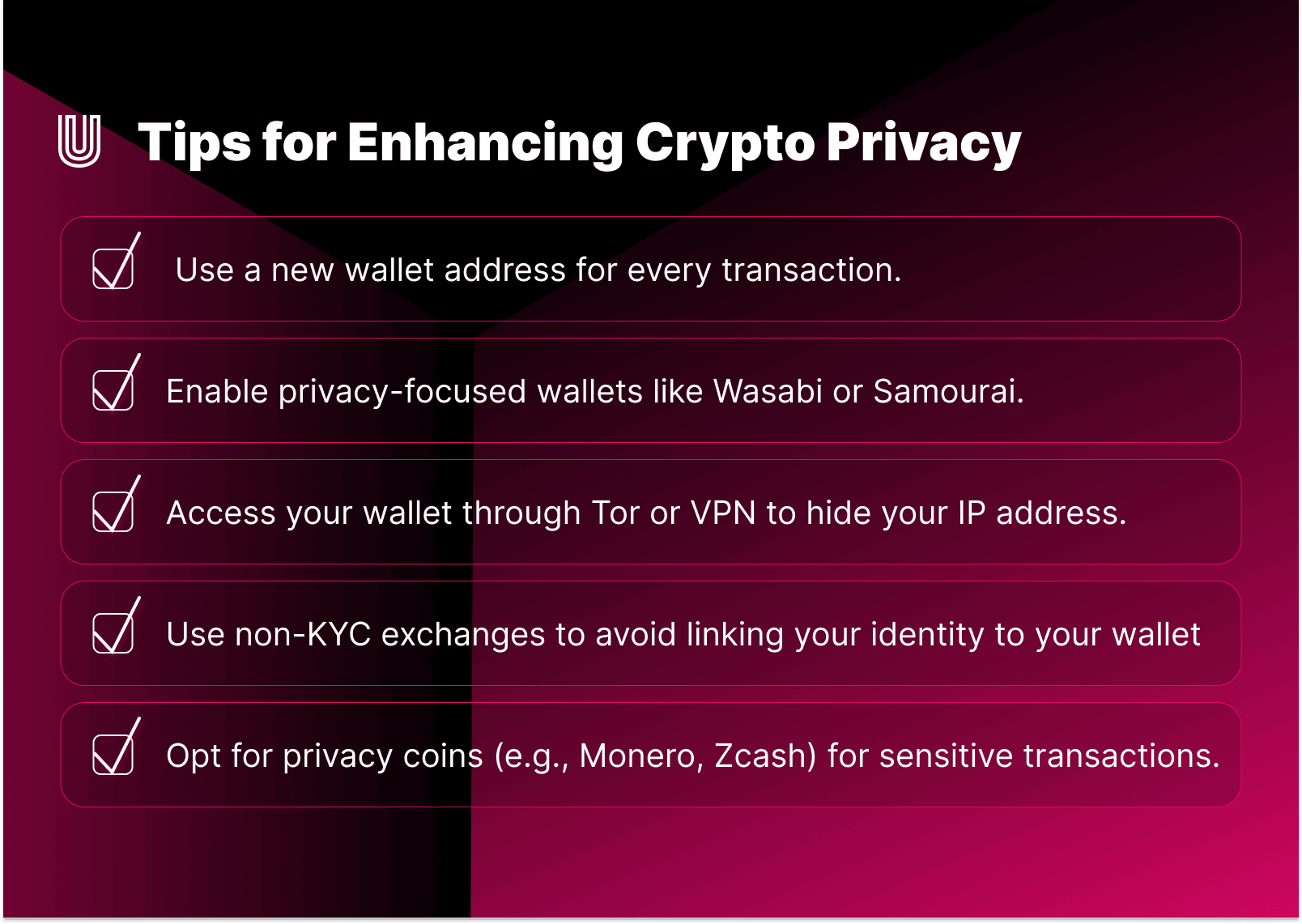
Most crypto tipping is pseudonymous, not fully anonymous. Transactions are recorded on a public ledger, meaning your wallet address is visible to anyone. While your real-world identity isn't immediately attached to the address, blockchain analysis tools can sometimes link wallet addresses to real identities. If privacy is a concern, consider using privacy-focused coins or platforms that offer additional obfuscation layers, though this may limit platform compatibility.
Can I reverse a crypto tip if I make a mistake?
No. Crypto transactions are irreversible by design. Once a tip is confirmed on the blockchain, there is no central authority to refund it. This permanence is a double-edged sword: it protects creators from chargeback fraud, but it also means you must verify the recipient's wallet address and the network type before sending. Always double-check the first and last four characters of the address to avoid sending funds to the wrong wallet.
What cryptocurrencies are best for tipping?
Bitcoin (via Lightning Network), Ethereum (via Layer-2s like Arbitrum or Base), and stablecoins like USDC are the most common choices. Stablecoins are often preferred for tipping because their value remains steady, protecting both the tipper and the creator from volatility. Bitcoin is widely supported for its liquidity, while Ethereum-based tokens offer broad compatibility with social platforms. Avoid highly volatile altcoins for tipping unless you specifically intend to speculate on their price movement during the transfer.
No comments yet. Be the first to share your thoughts!