Crypto-enabled tipping limits to account for
Crypto-Enabled Tipping works best as a clear sequence: define the constraint, compare the realistic options, test the tradeoff, and choose the path with the fewest hidden costs. That order keeps the advice usable instead of decorative. After each step, pause long enough to check whether the recommendation still fits the reader's actual situation. If it depends on perfect timing, unusual access, or a best-case budget, include a simpler fallback.
The simplest way to use this section is to write down the real constraint first, compare each option against it, and choose the path that still works outside ideal conditions.
Crypto-enabled tipping choices that change the plan
Adopting crypto for community appreciation introduces specific operational realities that differ sharply from traditional fiat platforms. Before integrating a wallet-based tip jar or markdown button, you must weigh the friction of user onboarding against the benefits of borderless, low-fee micro-transactions. The infrastructure you choose dictates whether tipping feels like a seamless gesture or a complex financial transaction.
Network Costs and Speed
The most immediate tradeoff is the cost of the underlying blockchain. Layer 1 networks like Ethereum mainnet can render small tips economically unviable due to gas fees that occasionally exceed the tip value itself. For a $1 tip, a $5 transaction fee is a non-starter. Conversely, Layer 2 solutions (like Arbitrum or Optimism) or alternative chains (like Solana or Bitcoin Lightning) offer near-zero fees and instant finality, making micro-tipping practical. You must align your chain selection with the typical tip size your community expects.
User Experience Friction
Fiat tipping requires only a click; crypto tipping requires a wallet, a seed phrase, and an understanding of network IDs. This friction creates a significant barrier to entry for casual users. While tools like tip.md simplify the interface by embedding a button directly into markdown, the sender still needs pre-funded crypto. If your audience is not already self-custodial, you may see high drop-off rates at the wallet connection stage. The convenience of the recipient is irrelevant if the sender cannot easily initiate the transfer.
Volatility and Treasury Management
Crypto tips arrive in native assets (ETH, SOL, BTC), which fluctuate in value. A $10 tip today might be worth $8 tomorrow. This introduces treasury risk for creators who rely on these funds for operational costs. Unlike fiat platforms that hold value in stable currency, crypto creators must either accept volatility as part of the ecosystem or immediately swap tips for stablecoins (USDC/USDT). This adds a layer of complexity and potential tax events for the recipient that does not exist in traditional systems.
Comparison of Tipping Infrastructure
The table below contrasts the primary tradeoffs across common crypto tipping methods. Use this to evaluate which model fits your community’s technical comfort and financial goals.
| Method | Network Cost | User Friction | Volatility Risk |
|---|---|---|---|
| Layer 1 (ETH Mainnet) | High | Medium | High |
| Layer 2 / Alt-Chain | Near Zero | Low-Medium | High |
| Bitcoin Lightning | Near Zero | Medium | High |
| Stablecoin (USDC) | Variable | Low | None |
The choice ultimately hinges on your audience. If they are crypto-native, Layer 2 or Lightning offers the best balance of speed and cost. If you are targeting a broader, less technical audience, the friction of wallet setup may outweigh the benefits, unless you provide a custodial solution that handles the backend complexity for them.
How to choose a crypto tipping solution
Selecting the right infrastructure depends on your platform’s technical stack and the audience’s willingness to manage wallets. A successful implementation balances ease of use for the tipper with reliability for the recipient. Below is a practical framework to evaluate your options, followed by specific tools that fit common use cases.
1. Define the user experience priority
Decide whether you want to minimize friction for the tipper or maximize control for the recipient.
- Low friction: Use non-custodial solutions where the tipper scans a QR code or clicks a link. This requires the user to have a self-custody wallet ready but avoids account creation.
- Integrated experience: Use platforms that offer embedded wallets or social login. This feels more like traditional payment but may require more complex backend integration.
2. Evaluate blockchain compatibility
Not all blockchains are suitable for small, frequent transactions like tipping. Consider gas fees, settlement speed, and network adoption among your users.
- Ethereum L2s (Arbitrum, Optimism): Good for users already in the Ethereum ecosystem. Low fees make micro-tipping viable.
- Solana: High throughput and negligible fees. Ideal if your audience is already active on Solana.
- Bitcoin (Lightning Network): Best for Bitcoin-native audiences. Requires specific infrastructure support for instant settlement.
3. Assess integration complexity
Match the tool to your development resources.
- Markdown/Static Sites: Use simple markdown buttons that generate on-chain transactions directly from the client side. No backend required.
- Community Platforms: Look for plugins or API integrations for forums (Discourse, Reddit) or content management systems (WordPress, Ghost).
- Custom Apps: Build using standard wallets SDKs (WalletConnect, RainbowKit) for full control over the user journey.
4. Verify compliance and tax handling
Crypto tipping may have tax implications in your jurisdiction. Ensure your chosen tool provides clear transaction records for recipients.
- Transparency: The tool should provide a public ledger view for each tip.
- Record Keeping: Check if the platform offers exportable transaction history for accounting purposes.

Identify where your audience already interacts. If you run a Discourse forum, look for native plugin support. If you have a static site, start with a markdown-based button solution. This reduces initial development time.
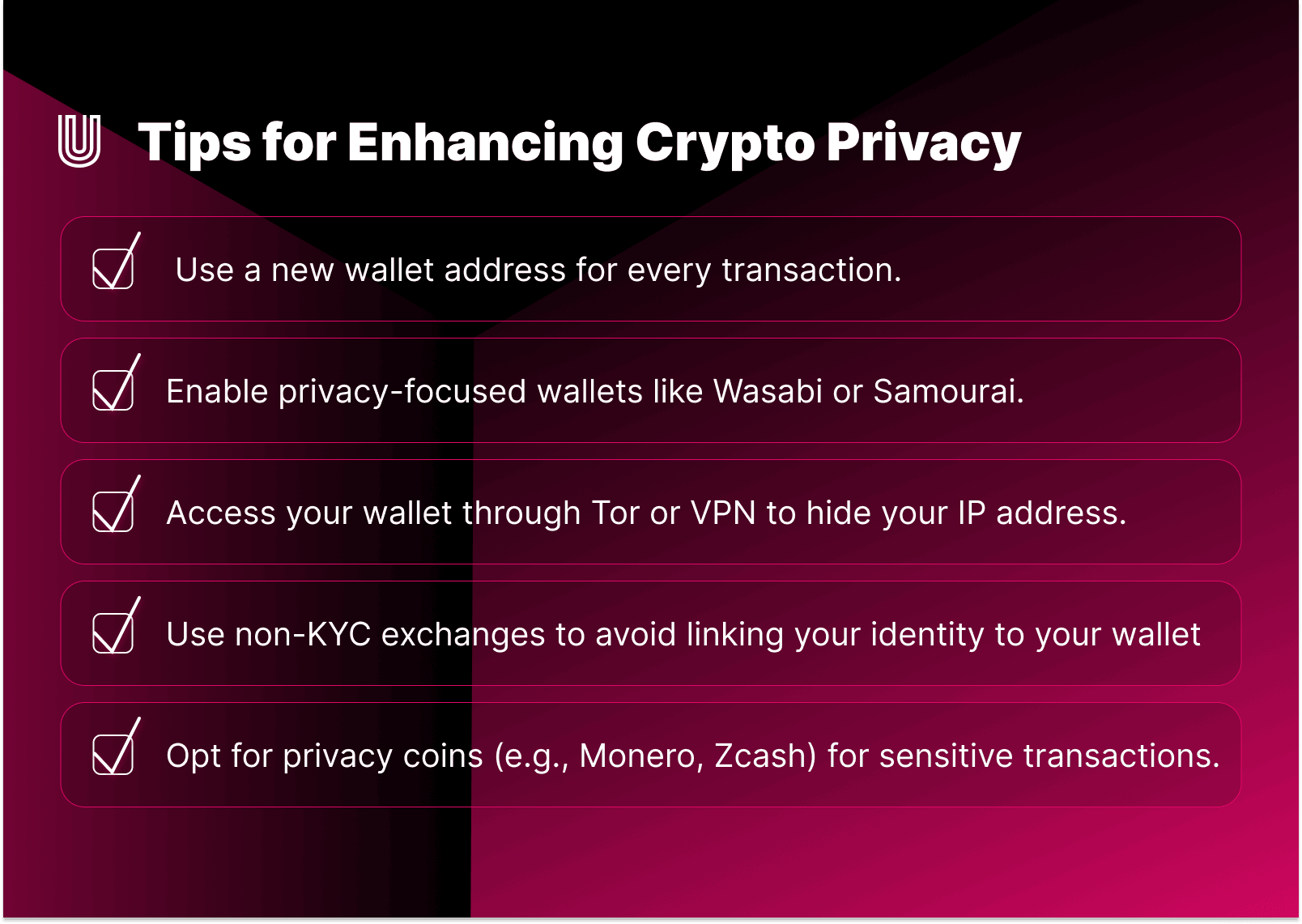
Do not launch with multi-chain support immediately. Pick one network (e.g., Ethereum L2 or Solana) that matches your users’ most common wallet. Validate the flow with a small group before expanding.
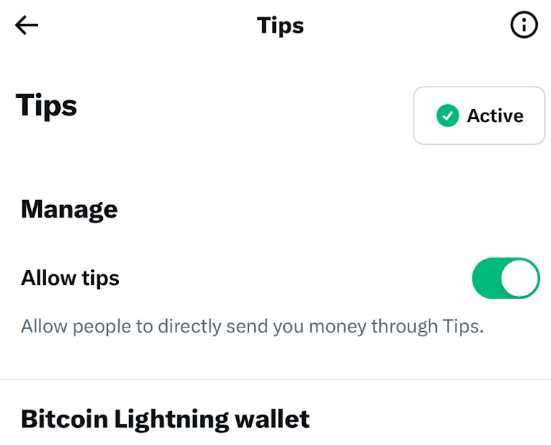
Track successful tip rates and user drop-offs. If gas fees are too high during peak times, consider switching to a different L2 or layer. User feedback is the best indicator of whether the friction is acceptable.


As an Amazon Associate, we may earn from qualifying purchases.
Spotting Weak Crypto Tipping Options
Most platforms advertising "seamless" crypto tipping rely on hidden friction that kills adoption. The primary mistake is assuming that a wallet address or a simple QR code constitutes a complete solution. These methods require the tipper to manage private keys, gas fees, and network selection manually. For a casual thank-you, this barrier is too high. If the process takes more than ten seconds, the conversion rate drops to near zero.
Another common trap is the lack of multi-chain support. A tool that only accepts Ethereum ERC-20 tokens ignores the majority of the crypto market. Users holding Solana, Bitcoin, or stablecoins on other networks will simply walk away. A robust infrastructure must abstract the blockchain layer, allowing the recipient to receive funds regardless of the sender's preferred chain. Without this abstraction, you are limiting your potential audience to a tiny fraction of crypto users.
Be wary of platforms that promise "zero fees" without disclosing the exchange spread. Some services route payments through centralized exchanges to convert crypto to fiat, charging hidden spreads that can exceed 2%. Always verify the fee structure. The best tools use on-chain settlement with predictable, low gas costs, ensuring the recipient gets the full value of the tip. Choose solutions that prioritize transparency and speed over marketing buzzwords.
No comments yet. Be the first to share your thoughts!