How crypto tipping actually works
Crypto-enabled tipping turns digital gratitude into on-chain transactions. Instead of swiping a card or opening a payment app, a user sends a small amount of cryptocurrency directly to a creator’s wallet. This mechanism removes intermediaries, meaning the tip arrives in seconds without the 2–3% processing fees typical of traditional merchant accounts. For creators, it is a way to monetize attention that previously went unpaid.
The infrastructure relies on stablecoins or high-throughput blockchains to keep fees negligible. A $5 tip sent via Ethereum mainnet might cost $2 in gas, making it economically unviable. However, on networks like Solana, Polygon, or Base, the same transaction costs less than a fraction of a cent. This cost structure is what makes micro-tipping viable at scale.
Adoption is currently fragmented across platforms. Some tools, like tip.md, embed markdown buttons into forums and documentation, allowing developers to accept tips on Bitcoin, Ethereum, and Solana with a single click. Others integrate native wallet connections into community platforms like Discourse, where users can tip peers as a thank-you note. There is no single universal standard, so users often need to manage multiple wallets or apps depending on where they engage.
The trade-off is complexity versus control. Users sacrifice the convenience of a unified billing statement for the privacy and direct ownership of crypto assets. For creators, it means bypassing platform gatekeepers but managing the volatility of received assets. The trend is shifting toward user-friendly interfaces that abstract away wallet management, but for now, the friction remains a barrier to mass adoption.
Crypto-enabled tipping choices that change the plan
Choosing a crypto tipping infrastructure means balancing speed, cost, and accessibility. There is no single platform that handles every use case perfectly. The right choice depends on whether you prioritize instant settlements for small amounts or broad wallet support for a diverse audience.
Network Fees and Settlement Speed
Small tips are often lost to transaction fees. On congested networks like Ethereum mainnet, a single tip can cost more than the amount being sent. This makes micro-tipping impractical without layer-2 solutions or alternative chains. Solana and Bitcoin Lightning Network offer near-zero fees and instant finality, preserving the value of small gestures.
Wallet Compatibility
Readers need to know which wallets your platform supports. A system that only accepts MetaMask excludes users on mobile-first wallets or non-EVM chains. Broad compatibility increases participation. Look for integrations that support common wallets across multiple blockchains, ensuring you aren't limiting your potential tipper base to a single ecosystem.
Fiat On-Ramps and Tax Clarity
Most tippers prefer to pay in stablecoins or familiar crypto rather than navigating complex exchanges. Platforms that integrate fiat on-ramps simplify the process for newcomers. However, this convenience often comes with higher fees. Additionally, consider how tips are recorded. Some platforms provide automatic transaction logs, which simplifies tax reporting for both the tipper and the creator.
Feature Comparison
The table below compares the primary tradeoffs of common crypto tipping approaches.
| Feature | Layer 2 (e.g., Arbitrum) | Lightning Network | Ethereum Mainnet |
|---|---|---|---|
| Avg. Fee | <$0.01 | <$0.001 | $1–$10 |
| Settlement Time | Seconds | Instant | Minutes–Hours |
| Wallet Support | Broad (EVM) | Specialized Wallets | Very Broad |
| Best For | Balanced use | Micro-tips | High-value tips |
Market Context
Volatility affects the real-world value of tips. A tip sent in a volatile asset may lose significant value before the recipient cashes out. Using stablecoins or settling in Bitcoin via Lightning mitigates this risk. Tracking the underlying asset's performance helps creators understand the actual yield of their tipping streams.
For a deeper look at market trends, consider the technical chart below. Understanding price action helps creators set appropriate tipping thresholds and anticipate volatility impacts on their earnings.
Choose the next step
Crypto-Enabled Tipping works best as a clear sequence: define the constraint, compare the realistic options, test the tradeoff, and choose the path with the fewest hidden costs. That order keeps the advice usable instead of decorative. After each step, pause long enough to check whether the recommendation still fits the reader's actual situation. If it depends on perfect timing, unusual access, or a best-case budget, include a simpler fallback.

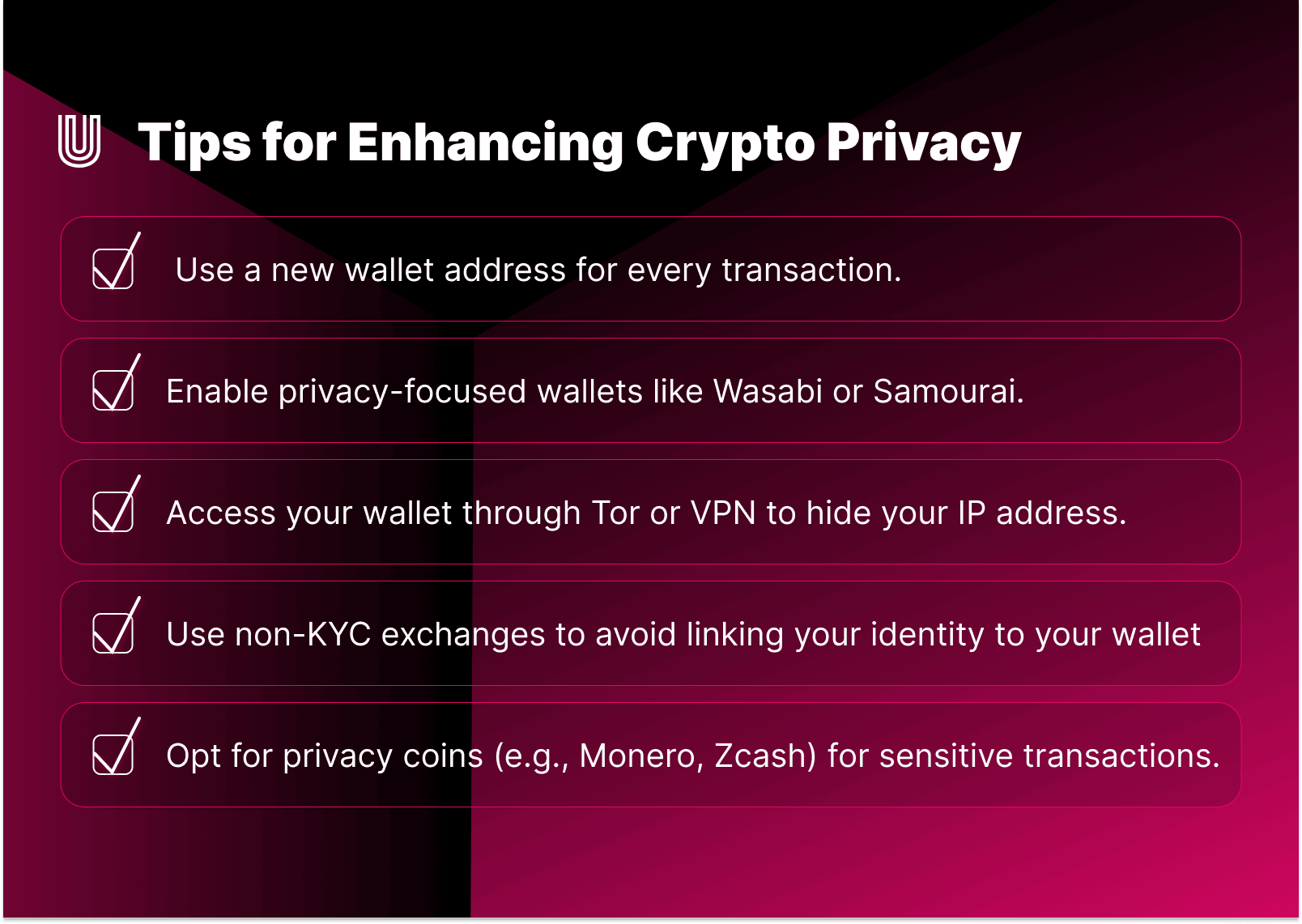
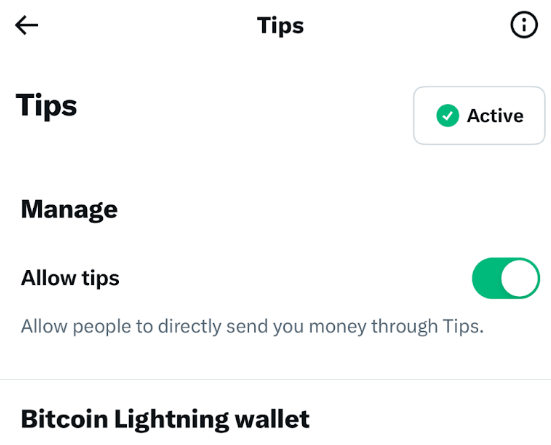
Avoid Weak Crypto Tipping Options
Not all crypto tipping solutions are built equal. Many platforms promise seamless integration but deliver high fees, slow settlements, or poor user experience. When evaluating options for your community or business, focus on infrastructure that actually works under real-world conditions.
High-Fee Platforms
Some services charge excessive transaction fees that eat into tips. A $5 tip might lose $0.50 in fees, making it less attractive for both tippers and recipients. Look for solutions with transparent, low-fee structures.
Slow Settlement Times
If tips take hours or days to settle, the experience feels broken. Real-time or near-real-time settlement is essential for tipping to feel like a genuine gesture rather than a delayed transaction.
Poor User Experience
Complex wallet setups or confusing interfaces discourage usage. The best tipping tools integrate smoothly into existing workflows—like markdown buttons or simple links—so users can tip without friction.
Limited Chain Support
Restricting tipping to one or two chains limits your audience. Multi-chain support—especially for Ethereum, Solana, and Bitcoin—ensures broader accessibility.
Lack of Transparency
Opaque fee structures or unclear settlement timelines erode trust. Choose platforms that provide clear, upfront information about costs and processing times.
When building or choosing a crypto tipping system, prioritize infrastructure that is fast, cheap, and easy to use. Weak options might seem convenient initially, but they often create more problems than they solve.
Crypto-Enabled Tipping: Practical FAQs
Before integrating crypto tipping into your workflow, it helps to understand the friction points and technical realities. The following questions address the most common concerns regarding fees, platform support, and tax obligations.
Helpful gear
Use these product recommendations as a starting point, then choose the size, material, and price point that fit how you actually use the gear.



As an Amazon Associate, we may earn from qualifying purchases.
No comments yet. Be the first to share your thoughts!