How crypto tipping infrastructure works
The infrastructure behind crypto-enabled tipping is simpler than it appears. It relies on three main layers: the blockchain, the wallet, and the payment gateway. This setup allows creators to receive digital assets directly from supporters without traditional banking intermediaries.
At the core, the blockchain acts as the ledger. It records every transaction permanently and transparently. For tipping, this means the transfer of value is verifiable and immutable. The wallet serves as the interface for the user, holding the private keys needed to authorize payments. Finally, the payment gateway bridges the gap between the user’s fiat currency and the creator’s crypto wallet, handling the conversion process seamlessly.
This stack enables near-instant settlements with lower fees compared to credit card processors. However, the user experience depends heavily on the gateway’s design. A clunky interface can deter casual tippers, while a smooth one encourages consistent support. Understanding this flow helps creators choose the right tools for their audience.
Crypto-enabled tipping infrastructure choices that change the plan
Building a tipping flow requires balancing speed, cost, and user friction. The infrastructure consists of three layers: the blockchain network, the wallet interface, and the payment processor. Each layer introduces specific tradeoffs that impact your operational strategy and audience experience.
| Layer | Option | Speed | Cost | User Friction |
|---|---|---|---|---|
| Network | Bitcoin (Layer 1) | Slow (minutes to hours) | High during peaks | High: requires on-chain confirmation |
| Network | Lightning Network | Instant | Negligible | Medium: requires channel liquidity |
| Network | Ethereum (Layer 1) | Slow (minutes) | Variable (gas fees) | High: requires MetaMask setup |
| Network | Solana | Fast (seconds) | Very low | Low: simple wallet integration |
| Processor | On-chain direct | Variable | Network fee | High: user manages private keys |
| Processor | Third-party gateway | Instant (off-chain) | 1-3% fee | Low: fiat on-ramp available |
Network Layer Considerations
Bitcoin’s base layer offers maximum decentralization but suffers from high fees and slow settlement times during congestion. The Lightning Network solves this by enabling instant, near-zero-cost transactions, but it requires managing channel liquidity. Solana and other high-throughput chains offer a middle ground with fast finality and low fees, though they introduce different centralization tradeoffs. For tipping, speed is critical; a 30-second delay can significantly reduce conversion rates.
Wallet and Processor Tradeoffs
Direct on-chain tipping requires users to manage private keys and gas fees, creating high friction. Third-party payment gateways abstract this complexity by handling the crypto backend while allowing users to pay with fiat or existing crypto balances. This introduces a 1-3% processing fee but dramatically lowers the barrier to entry. The choice depends on your audience’s technical sophistication and your tolerance for platform risk.
Strategic Recommendation
For most creators and businesses, a hybrid approach works best. Use a third-party gateway for initial user acquisition to minimize friction. As your community grows, encourage direct wallet connections for larger tips to reduce fees. Always disclose network fees transparently to maintain trust. The infrastructure should serve the user, not the technology.
Choose the next step
Turning infrastructure research into a working strategy requires selecting the right tools for your specific use case. Crypto-enabled tipping is not a single product but a stack of components: the blockchain network, the wallet interface, and the payment processor. Your choice of stack determines transaction speed, cost, and user friction.
To navigate this, we have categorized the leading solutions into three distinct tiers. These selections prioritize reliability, low fees, and ease of integration for both senders and receivers. The following recommendations are based on current market performance and technical stability.

Best for content creators and community managers who need instant, micro-transactions without onboarding friction. These solutions often integrate directly into social platforms or use stablecoins to avoid volatility. Look for wallets that support account abstraction, allowing users to tip without managing private keys directly.

Ideal for businesses and service providers requiring invoice generation, automatic fiat conversion, and tax reporting. These gateways act as the bridge between the blockchain and traditional accounting. They typically support major chains like Ethereum, Solana, and Lightning Network, ensuring broad acceptance while handling the complex backend compliance.
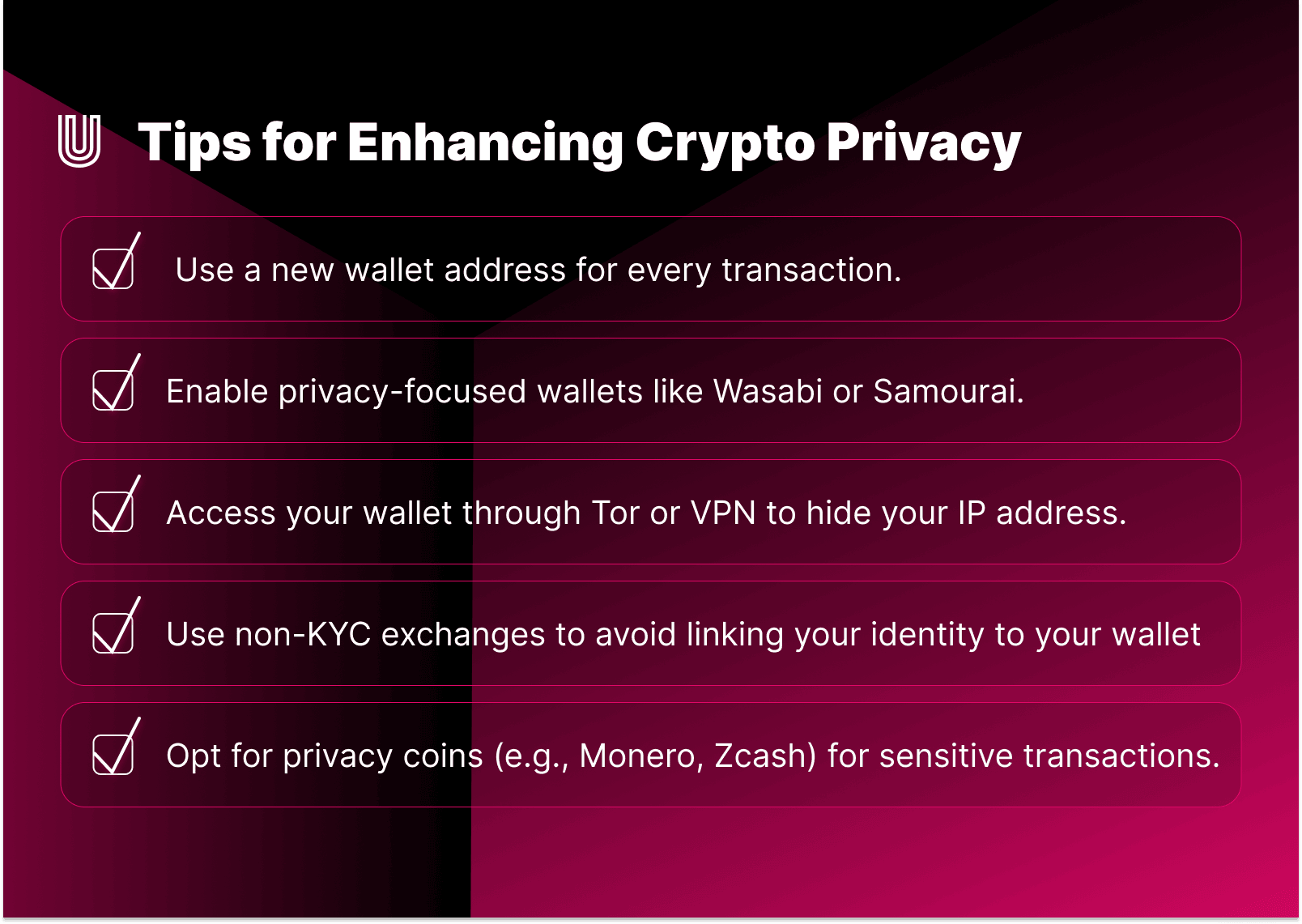
Suitable for privacy-focused users and those who want to avoid intermediary fees entirely. This method involves sending crypto directly from one wallet to another. While it offers the lowest costs and maximum sovereignty, it requires the recipient to have a compatible wallet and understand basic blockchain navigation, creating a higher barrier to entry.
When evaluating these options, prioritize the network fees over the token price. A tipping solution on a high-fee chain can render small tips economically unviable. Always test the user journey with a nominal amount before scaling. Remember the golden rule of crypto: only engage with infrastructure you fully understand and can afford to lose if the technology fails.
Spotting weak infrastructure and misleading claims
Crypto-enabled tipping sounds simple: scan a QR code, send a token, done. But the reality involves three distinct layers—blockchain, wallet, and payment gateway—that often fail silently. Many platforms promise "seamless" experiences but rely on centralized custodial wallets that defeat the purpose of decentralization. If a service holds your funds before routing them, you aren't tipping; you're depositing into a bank account with extra steps.
Watch out for platforms that obscure gas fees. A common mistake is assuming the tip amount covers the network cost. On congested chains like Ethereum, a $5 tip can vanish in $10 of gas. Legitimate infrastructure providers display estimated fees upfront in both crypto and fiat. If a platform requires you to manually calculate or estimate transaction costs, it is likely built on outdated or inefficient routing.
Another red flag is the lack of clear audit trails. True crypto tipping should leave an immutable record on-chain. If a service claims to handle tips "off-chain" for speed but offers no public verification, you risk losing funds to a black box. Always verify that the platform provides a transaction hash you can check on a block explorer. Without this, you have no proof of payment.
Finally, be wary of projects promising "zero fees" or "instant settlement" without explaining the trade-offs. Speed usually comes from layer-2 solutions or sidechains that may have their own risks. Evaluate the underlying technology, not just the marketing. Prioritize tools that are transparent about their infrastructure choices and allow you to retain control of your keys.
Crypto-enabled tipping infrastructure: what to check next
Before committing to a Web3 monetization strategy, it helps to separate the marketing hype from the actual mechanics. The following answers address the most common practical objections regarding what these systems are, how they function, and the risks involved.
No comments yet. Be the first to share your thoughts!