The crypto-enabled tipping limits to account for
Crypto-enabled tipping is no longer a novelty; it is a compliance minefield. While the user experience is frictionless—sending a few satoshis to a content creator—the underlying infrastructure carries significant regulatory weight. For financial institutions and platforms facilitating these transfers, the primary constraint is not technology, but adherence to anti-money laundering (AML) and know-your-customer (KYC) mandates.
The core challenge lies in the pseudonymous nature of blockchain transactions. Unlike traditional fiat tipping through PayPal or Venmo, crypto transfers lack immediate identity verification at the point of sale. This gap forces platforms to implement robust on-chain monitoring tools to detect suspicious patterns, such as rapid layering or interactions with sanctioned addresses. Without these controls, even small micro-transactions can be exploited for illicit financing.
Compliance programs must treat tipping as a high-risk activity. According to industry guides for financial institutions, risk identification is the first step in building a defensible compliance framework. This means monitoring transaction volumes, analyzing wallet histories, and flagging anomalies before they escalate. The goal is to balance the seamless experience users expect with the rigorous reporting required by regulators.
For users, this means that "free" crypto tips often come with data collection and verification requirements. Platforms that offer instant, anonymous tipping are either operating in regulatory gray areas or relying on third-party custodians who handle the compliance burden. Understanding this constraint is essential for anyone building or using crypto tipping infrastructure in 2026.
Crypto-enabled tipping choices that change the plan
Choosing a crypto tipping method requires balancing speed, cost, and regulatory clarity. Unlike traditional payment processors that offer unified dispute resolution, crypto transactions are final. This irreversibility is a feature for creators receiving funds but a liability if errors occur. You must evaluate which blockchain network aligns with your volume and technical comfort.
Network selection
Bitcoin and Ethereum mainnets offer security but often carry high fees during congestion. Layer-2 solutions or alternative chains like Solana provide near-instant settlement with fractions of a cent in costs. For small tips, high-fee networks can erase the value of the transaction entirely. Choose a chain where the average transfer cost remains below the tip amount itself.
Compliance and reporting
Financial institutions and high-volume creators face stricter scrutiny. A crypto compliance program is essential for tracking origins of funds and avoiding money laundering risks. Tools that integrate with official reporting standards help maintain audit trails. Ignoring these requirements can lead to frozen assets or legal penalties, especially for businesses.
User friction
The barrier to entry for recipients remains high. If a tipper must bridge assets or manage complex wallet configurations, the conversion rate drops. Tipping platforms that abstract these details into familiar interfaces see higher engagement. The goal is to make the transaction feel as simple as sending a text message.
| Feature | Bitcoin (On-chain) | Layer-2 / Alt-chains | Integrated Platforms |
|---|---|---|---|
| Transaction Cost | High ($1-$20+) | Very Low (<$0.01) | Variable |
| Speed | 10-60 minutes | Seconds | Instant |
| Irreversibility | Yes | Yes | Sometimes |
| Compliance | Transparent | Transparent | Managed |
| User Friction | High | Medium | Low |
The choice ultimately depends on whether you prioritize decentralization or convenience. For casual interaction, integrated platforms remove the need for direct wallet management. For serious creators, self-custody on low-fee networks offers the best long-term value.
Build a compliance-first tipping stack
Crypto tipping looks simple on the surface, but the infrastructure underneath carries real regulatory weight. Financial institutions and creators alike must navigate anti-money laundering (AML) rules, tax reporting requirements, and platform-specific terms of service. A failure to integrate proper checks into your tipping workflow can result in frozen funds or legal exposure.
The following framework prioritizes compliance and operational stability over novelty. It ensures that every tip received or sent is traceable, reported, and secure.

Avoid anonymous, non-custodial wallets for high-volume tipping. Use platforms that have implemented Know Your Customer (KYC) protocols and hold necessary money transmitter licenses. This creates a clear audit trail for both you and the recipient, satisfying basic compliance requirements.
Set up automated alerts for unusual tipping patterns. Sudden spikes in volume or frequency can trigger fraud detection systems or regulatory flags. Monitoring tools should flag transactions that exceed standard thresholds, allowing you to pause and investigate before funds are lost or reported incorrectly.

Tipping income is taxable in most jurisdictions. Ensure your platform provides downloadable CSV reports that include date, time, asset type, and fiat value at the time of transaction. Manual tracking is prone to error; automated reporting ensures you meet IRS or local tax authority obligations without guessing.

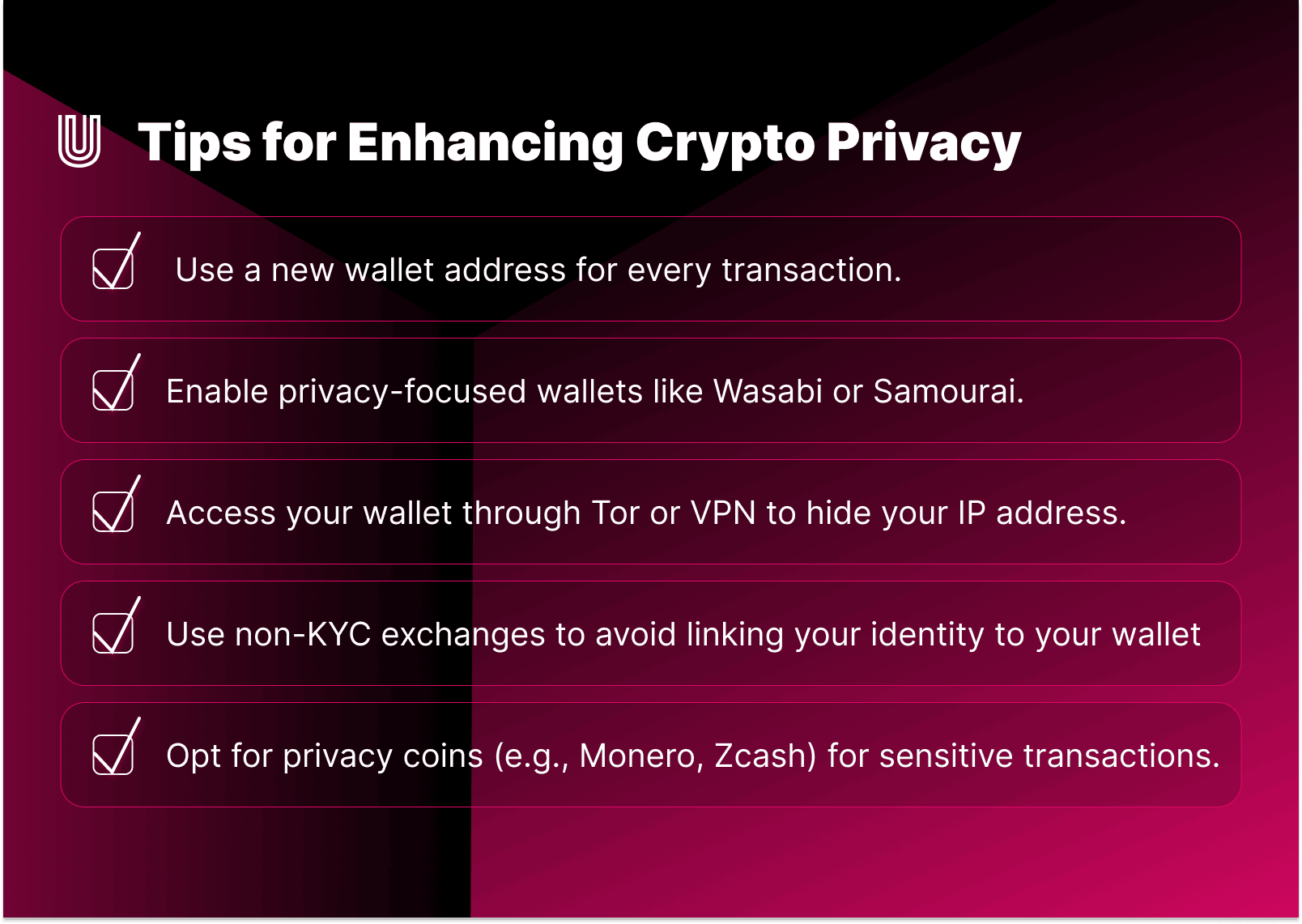
Never reuse a single public address for all incoming tips. Use a hierarchical deterministic (HD) wallet or a dedicated tipping service that generates unique addresses per transaction. This protects your privacy and prevents bad actors from linking all your income sources to a single identity.
| Feature | Compliant Stack | Risky Stack |
|---|---|---|
| Identity Verification | KYC/AML integrated | Anonymous/Unverified |
| Tax Reporting | Automated CSV exports | Manual tracking required |
| Address Management | Unique addresses per tip | Single reused address |
| Fraud Detection | Real-time monitoring | Reactive or none |
The difference between a sustainable tipping model and a regulatory liability often comes down to these four infrastructure choices. By building with compliance in mind from day one, you protect your reputation and ensure long-term viability in the crypto economy.
Spotting Weak Options and Misleading Claims
Crypto-enabled tipping looks simple on the surface, but the infrastructure beneath it is where most projects fail. In 2026, the gap between marketing promises and actual utility has widened. Many platforms tout "instant settlement" while ignoring the reality of network congestion or the friction of wallet onboarding for casual users. When evaluating a tipping solution, look past the flashiness of the interface and examine the underlying blockchain choice. High gas fees on mainnet Ethereum can eat up a $1 tip in seconds, making the feature useless for micro-transactions.
A common mistake is assuming that all crypto wallets are created equal. If a tipping platform requires users to navigate complex seed phrases or manage multiple tokens for gas, adoption will stall. The best options integrate seamlessly with existing habits, often using stablecoins or layer-2 solutions to keep costs near zero. Always check if the platform supports familiar tokens like USDC or if it forces users into volatile, less-liquid assets. This distinction matters more than the brand name on the landing page.
Be wary of claims that promise "zero fees" without explaining the trade-offs. Some platforms hide costs in poor exchange rates or require holding native tokens to access features. This is a classic bait-and-switch that erodes trust. Instead, look for transparent fee structures where costs are deducted upfront. If a project cannot clearly explain how it handles compliance or anti-money laundering (AML) checks, it is likely a weak option that could expose you to regulatory scrutiny. Stick to platforms that prioritize clarity over hype.
Crypto-enabled tipping: what to check next
Navigating crypto tipping requires understanding both the mechanics of the transfers and the broader market context. Below are answers to the most common practical questions regarding infrastructure, strategy, and safety.
What is tipping in crypto?
Crypto tipping is the practice of sending small amounts of digital currency to content creators, service providers, or community members as a gesture of appreciation. Unlike traditional bank transfers, these transactions occur directly on the blockchain, often bypassing intermediaries. This allows for instant settlement and lower fees, particularly when using layer-2 solutions or stablecoins. It transforms digital engagement into direct economic value, fostering a creator economy where support is immediate and borderless.
What is the 51% rule in crypto?
The "51% rule" refers to the theoretical scenario where a single entity or group controls more than half of a network's mining hash rate or staking power. If an attacker achieves this majority, they could potentially reverse transactions, prevent new transactions from gaining confirmation, and double-spend coins. While this is the foundational security model of proof-of-work networks, it is economically and technically infeasible for major blockchains like Bitcoin or Ethereum. For tipping infrastructure, this rule underscores the importance of choosing established, high-hashrate networks rather than obscure altcoins.
What not to do with Bitcoin?
When handling Bitcoin for tipping or general use, avoid sending funds to unverified addresses or sharing your private keys with any service. Never reuse addresses for different transactions if you value privacy, and always verify the destination address character-by-character. Additionally, do not store significant tipping funds in hot wallets connected to the internet; use hardware wallets for long-term storage. Finally, avoid tipping during periods of extreme network congestion if you need low fees, as transaction costs can spike unpredictably.
How to make $100 a day with crypto?
Generating $100 daily through crypto tipping is generally unrealistic for most users. Tipping is designed as a micro-transaction for appreciation, not a primary income stream. Earning this amount would require receiving tips from thousands of users daily or operating at a scale that resembles a professional media outlet. More viable strategies involve providing value through content creation, affiliate marketing, or skilled services, where the tipping infrastructure serves as a supplemental bonus rather than the core revenue source.
No comments yet. Be the first to share your thoughts!