The shift to utility-focused micro-transactions
The conversation around crypto tipping has moved past speculation and into practical application. We are seeing a clear transition from treating digital assets as long-term hold investments to using them as immediate, low-fee payment rails for content creators. This shift is driven by the need for speed and cost-efficiency, particularly when dealing with small amounts.
Layer 2 solutions and the Bitcoin Lightning Network have made micro-transactions viable. These technologies reduce transaction fees to fractions of a cent, allowing creators to receive tips as small as a single satoshi. For the average user, this means the friction of traditional banking—high processing fees and slow settlement times—is removed. The result is a more direct connection between audience and creator, where even the smallest gesture of appreciation is economically feasible.
From a compliance perspective, this volume of small transactions changes how we view tax obligations. While each individual tip may be negligible, the aggregate income can trigger reporting requirements. Platforms like tip.md facilitate multi-chain tipping, making it easier for creators to receive payments across Ethereum, Solana, and Bitcoin networks. However, the ease of use does not exempt users from regulatory scrutiny. Understanding the tax implications of these frequent, small transfers is essential for both creators and platforms operating in this space.
Core infrastructure for seamless transfers
Effective crypto tipping relies on infrastructure that keeps transaction costs below the value of the tip itself. When gas fees exceed the amount being sent, the utility of the tool collapses. The technical backbone requires wallet integration that abstracts complexity, multi-chain support to match asset liquidity, and fee optimization strategies to ensure compliance and tax records remain clear.
Wallet integration and user experience
The friction point for most adopters is the wallet. Modern tipping tools embed wallet connections directly into the content interface, allowing users to sign transactions without leaving the page. This integration must handle signature validation securely while maintaining a clear audit trail for legal compliance. For financial institutions and platforms handling these flows, understanding the underlying compliance program guide is essential to manage risk exposure.
Multi-chain support for liquidity
Not all blockchains are suitable for micro-transactions. Ethereum mainnet fees can render small tips economically unviable. Infrastructure providers now support multi-chain networks, allowing users to tip on Layer 2 solutions like Base or Solana, where costs remain fractions of a cent. This flexibility ensures that the recipient receives the full value of the contribution, regardless of the asset’s origin.
The following comparison highlights how different networks stack up for tipping use cases:
| Network | Avg. Cost | Speed | Tipping Suitability |
|---|---|---|---|
| Ethereum Mainnet | $2.00–$10.00+ | 15–30s | Low |
| Solana | <$0.01 | <1s | High |
| Base (L2) | <$0.01 | <2s | High |
| Lightning Network | <$0.01 | Instant | High |
Fee optimization strategies
To prevent fees from consuming the tip, infrastructure must prioritize networks with low gas structures or use fee-sponsorship models where the platform covers the transaction cost. This is particularly important for regulatory clarity; when fees are negligible, the transaction amount itself becomes the primary data point for tax reporting and compliance audits. Tools like tip.md facilitate this by allowing developers to configure multi-chain support with a simple markdown button, ensuring the backend handles the complexity of cross-chain routing.

Market context
The choice of network often correlates with market activity. For instance, the surge in social finance and memecoin activity on Base has driven significant transaction volume, demonstrating how network usage can shift based on user behavior and fee structures.
Top tools for creators and platforms
Choosing the right crypto tipping infrastructure comes down to two things: how easily your audience can pay and how clearly you can track the income for taxes. The tool you pick will determine whether a tip takes three seconds or three minutes, and whether it settles on a cheap layer-2 network or a congested mainnet. For creators, low friction drives volume; for platforms, compliance-ready data drives sustainability.
tip.md: The Developer-Friendly Markdown Button
If you are building a platform or running a blog where users already interact with text, tip.md offers the path of least resistance. It works by inserting a simple markdown button that triggers a wallet connection across multiple blockchains, including Ethereum, Solana, and Bitcoin. This approach is particularly effective for tech-savvy audiences who are already comfortable with crypto wallets. The integration is lightweight, requiring minimal code changes, which makes it ideal for developers who want to add tipping without rebuilding their entire payment stack. However, because it relies on user-initiated wallet actions, it may feel less seamless for non-crypto natives compared to embedded checkout flows.
Binance Square Tips: Integrated Platform Tipping
For creators already active within the Binance ecosystem, the native tipping feature on Binance Square removes the need for external wallets or third-party links. Users can tip content directly within the app using supported cryptocurrencies, making the transaction feel like a natural extension of social interaction. This integration benefits from Binance’s existing liquidity and user base, reducing the barrier to entry for tipping. The visual guide below illustrates how the tipping interface appears within the platform, showing the simplicity of the user flow from post view to transaction confirmation.

Coinbase Commerce: The Enterprise Standard
When scale and regulatory clarity are priorities, Coinbase Commerce provides a robust API for accepting crypto payments. Unlike simpler tipping buttons, this solution is designed for businesses and large-scale content platforms that need detailed transaction reporting and support for a wide range of assets. It allows you to set up custom checkout experiences, which can be tailored to your brand while ensuring that all payment data is structured for accounting purposes. While it requires more development effort to integrate, the trade-off is a payment infrastructure that is built to handle high volumes and complex compliance requirements.
Hardware Security for Creator Wallets
Regardless of the tipping tool you choose, securing the receiving wallet is non-negotiable. A dedicated hardware wallet acts as a cold storage solution, keeping your private keys offline and protected from online threats. This is especially important for creators who accumulate significant crypto assets from tips and subscriptions. Using a hardware wallet ensures that even if your online platform is compromised, your funds remain secure. Look for devices that support the specific blockchains you plan to use for tipping.

As an Amazon Associate, we may earn from qualifying purchases.
Compliance and Tax Implications
Every crypto tip received is a taxable event in most jurisdictions. The value of the tip is determined by the market price at the moment of receipt. Tools that provide detailed transaction logs, such as Coinbase Commerce or blockchain explorers linked to your wallet addresses, are essential for accurate tax reporting. Keep records of the date, time, amount, and fair market value of each tip. Failure to report these transactions can lead to significant penalties. Always consult with a tax professional who specializes in cryptocurrency to ensure your reporting aligns with current regulations.
Compliance and tax reporting basics
Start Crypto-Enabled Tipping with the constraint that matters most in real life: space, timing, budget, skill level, maintenance, or availability. That first constraint should shape the rest of the plan instead of appearing as an afterthought. Keep the first pass simple enough to verify. Compare the main options against the same criteria, remove choices that only work in ideal conditions, and save optional upgrades for later.
The simplest way to use this section is to write down the real constraint first, compare each option against it, and choose the path that still works outside ideal conditions.
Setting up your first tipping workflow
Implementing a crypto tipping system requires balancing user experience with regulatory compliance. Before launching, you must select a blockchain that minimizes fees for small transactions—typically Bitcoin’s Lightning Network or Ethereum Layer-2 solutions like Base or Arbitrum. These networks allow tips as small as a single satoshi, making microtransactions economically viable for both senders and receivers.
1. Choose a Wallet and Provider
Select a self-custody or institutional-grade wallet that supports your chosen chain. For platforms, consider integrating with established tipping providers or payment gateways that handle compliance reporting. These intermediaries often provide the necessary infrastructure to convert crypto to fiat automatically, simplifying tax obligations. Verify that the provider offers robust API documentation for seamless integration into your existing user interface.
Establish a clear wallet architecture. Decide whether tips will be held in cold storage for long-term value or routed immediately to a hot wallet for operational liquidity. This decision impacts your security posture and how you manage daily cash flow.
Embed the tipping widget into your content or platform. Ensure the button clearly displays the selected cryptocurrency and network. Provide users with a QR code and a copyable address for manual transfers, as well as an automated checkout flow for seamless transactions.
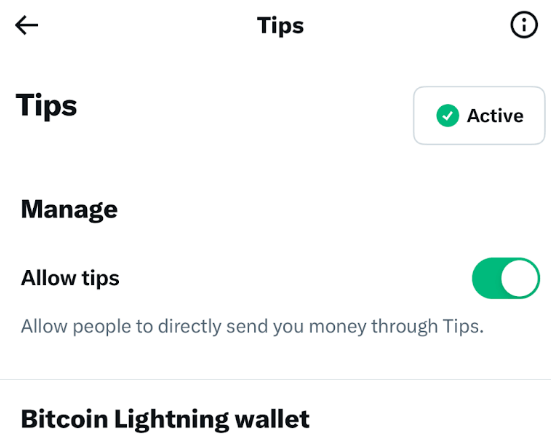
Set up automated transaction logging that records sender, receiver, amount, and timestamp in USD value at the time of receipt. This data is critical for IRS reporting and maintaining an audit trail. Consult legal counsel to ensure your reporting meets current tax guidelines for digital asset income.
2. Test and Launch
Run test transactions on the target network’s testnet or with small amounts on mainnet to verify that funds are arriving correctly and that your reporting system captures the data accurately. Once verified, enable the feature for your audience. Monitor initial transaction volumes closely to adjust fee structures or provider settings if necessary, ensuring a smooth experience for early adopters.
Common questions about crypto tipping
What is tipping in crypto?
Crypto tipping is the practice of sending small amounts of cryptocurrency to creators as a direct gesture of appreciation. Unlike traditional platforms that take 30–50% cuts, crypto tipping uses infrastructure like the Lightning Network to reduce transaction fees to fractions of a cent. This allows tips as small as a single satoshi (~$0.001) to reach creators immediately without intermediaries.
Can the IRS see your crypto wallet?
Yes. The IRS treats cryptocurrency as property, meaning every transaction is a taxable event. While blockchain addresses are pseudonymous, they are not anonymous. Compliance programs must track these transactions to ensure proper reporting. Failure to report crypto tips can result in significant penalties, so maintaining clear records of all incoming and outgoing transactions is essential for legal safety.
What is the 30-day rule in crypto?
The "30-day rule" often refers to the wash-sale rule, which currently does not apply to cryptocurrency in the United States. However, this means you cannot claim a loss on a crypto asset if you buy a substantially identical one within 30 days. Taxpayers must carefully track cost basis and holding periods to avoid complex reporting errors or unintended capital gains liabilities.
How to make $100 a day with crypto?
Tipping is a form of appreciation, not a reliable income source. Earning $100 daily requires consistent content creation and audience engagement, not just setting up a wallet. Most creators receive irregular tips. Relying on tipping for steady income is financially risky; treat it as a bonus rather than a salary.
No comments yet. Be the first to share your thoughts!