What crypto tipping actually means
Crypto-enabled tipping is a distinct financial infrastructure layer. It is not the same as traditional fiat tipping, nor is it speculative asset trading. Instead, it uses blockchain networks to move value directly from supporter to creator, bypassing the intermediaries that typically take a cut of the transaction.
When you tip in crypto, you are using a peer-to-peer network to settle a payment. This process relies on digital ledgers rather than bank clearinghouses. The result is a system where transactions can settle in minutes or seconds, regardless of geographic borders. For high-frequency interactions like tipping, this speed reduces friction significantly compared to credit card processing, which often takes days to clear.
It is important to separate this activity from trading. While the assets being tipped—like Bitcoin or Ethereum—are volatile, the act of tipping itself is a transfer of value, not an investment strategy. The recipient receives the asset directly. They do not need to buy or sell it to complete the interaction. This distinction matters for compliance and tax reporting, as the nature of the receipt differs from capital gains events.
Platforms like X (formerly Twitter) have integrated this infrastructure by allowing users to link third-party payment services to their profiles. When a user enables this feature, supporters can send Bitcoin or other cryptocurrencies directly through the platform’s interface. This creates a seamless bridge between social interaction and financial settlement, turning a simple "like" or comment into a tangible transfer of value without leaving the app environment.
This infrastructure shift changes the economics of small transactions. Traditional payment processors often charge fixed fees that make micro-tips uneconomical. Crypto networks, particularly those with low transaction costs, make it viable to send small amounts of value. This enables a new model of creator support where even modest contributions are financially feasible for both the sender and the receiver.
How Crypto Tipping Works
The infrastructure behind crypto tipping is simpler than it appears. It relies on three main layers: the blockchain, the wallet, and the payment processor. These components work together to move small amounts of value across borders in seconds, bypassing traditional banking delays and fees.
The Blockchain Layer
At the core is the blockchain itself. For tipping, low-fee networks like Solana or Bitcoin’s Lightning Network are preferred. They allow micro-transactions that would be impossible on expensive chains like Ethereum mainnet. The blockchain records the transaction immutably, ensuring the tip reaches its destination without intermediaries.
Wallets and Wallets
Users interact with the system through digital wallets. These can be non-custodial apps like MetaMask or custodial services embedded in social platforms. The wallet holds the private keys and manages the user’s balance. When a user tips, the wallet signs the transaction and broadcasts it to the network.
Payment Processors
Payment processors bridge the gap between the user interface and the blockchain. They handle the complexity of gas fees, network selection, and address validation. For example, platforms like Discourse use open-source plugins to integrate Metamask, allowing users to tip in ETH or ERC20 tokens directly within the forum interface. This abstraction makes the technology accessible to non-technical users.

Real-World Integration
This infrastructure is already in use. Platforms like X (formerly Twitter) allow creators to add links to third-party payment services for Bitcoin tips. Similarly, tools like tip.md offer multi-chain support via simple markdown buttons, enabling developers and content creators to accept tips across Ethereum, Solana, and Bitcoin networks. This modular approach allows platforms to choose the best blockchain for their specific needs.
Platform Integration Models
Crypto tipping infrastructure has fragmented into three primary integration models: native social platform features, community forum plugins, and decentralized markdown widgets. Each approach offers a distinct trade-off between user convenience, technical complexity, and fee structure. Understanding these differences is essential for creators and developers choosing the right backend for their audience.
Native Social Features (X)
X (formerly Twitter) handles tipping through a profile-level setting that links to third-party payment processors. This model prioritizes ease of use; users tap a visible icon to send Bitcoin or fiat off-platform. However, this convenience comes with a significant friction point: the transaction occurs outside the X ecosystem. This separation means X does not process the payment directly, nor does it handle the underlying blockchain confirmation. For creators, this simplifies onboarding but reduces platform-level engagement metrics.
Community Forum Plugins (Discourse)
For community-driven platforms like Discourse, tipping is typically handled via open-source plugins such as the Metamask integration. These plugins allow users to transfer ETH or ERC20 tokens directly between accounts within the forum context. This model offers a more integrated experience than X, as the tipping action feels native to the community interface. However, it requires users to manage a Web3 wallet and understand gas fees, creating a higher barrier to entry for non-crypto-native audiences.
Decentralized Widgets (tip.md)
Decentralized solutions like tip.md offer a different paradigm: embedding a simple markdown button into any static site or blog. This approach is chain-agnostic, supporting Ethereum, Solana, and Bitcoin simultaneously. It places the tipping mechanism directly in the content flow, reducing the steps required to support a creator. The trade-off is technical setup; developers must manage the widget configuration and ensure their site supports the necessary cryptographic interactions.
| Feature | Platform | Fees | Ease of Use |
|---|---|---|---|
| Native Integration | X | Third-party processor | High |
| Forum Plugin | Discourse | Gas + Plugin | Medium |
| Markdown Widget | tip.md | Gas + Network | Low |
The choice of platform dictates the user experience. Native features like X’s Tips icon lower the barrier to entry by hiding wallet complexity, but they fragment the payment journey. Community plugins offer deeper integration but require Web3 literacy. Decentralized widgets provide maximum flexibility but demand technical maintenance from the site owner. For high-stakes financial content, where audience trust is paramount, the transparency of on-chain transactions often outweighs the convenience of off-platform redirects.
Compliance and tax realities
Crypto-Enabled Tipping works best as a clear sequence: define the constraint, compare the realistic options, test the tradeoff, and choose the path with the fewest hidden costs. That order keeps the advice usable instead of decorative. After each step, pause long enough to check whether the recommendation still fits the reader's actual situation. If it depends on perfect timing, unusual access, or a best-case budget, include a simpler fallback.
The simplest way to use this section is to write down the real constraint first, compare each option against it, and choose the path that still works outside ideal conditions.
Build a Safe Tipping Workflow
Implementing crypto tipping requires a shift from casual sending to structured financial hygiene. Because blockchain transactions are immutable, a single error in address entry or network selection results in permanent loss of funds. For creators and platforms, the workflow must prioritize verification and compliance before any transaction is initiated.
Manually copying and pasting long hexadecimal addresses introduces a high risk of copy-paste errors or clipboard hijacking. Always verify the first and last eight characters of the address. For mobile interactions, use QR code scanning, which reduces input errors to near zero. This step is critical for both the tipper and the recipient to ensure funds reach the intended destination.
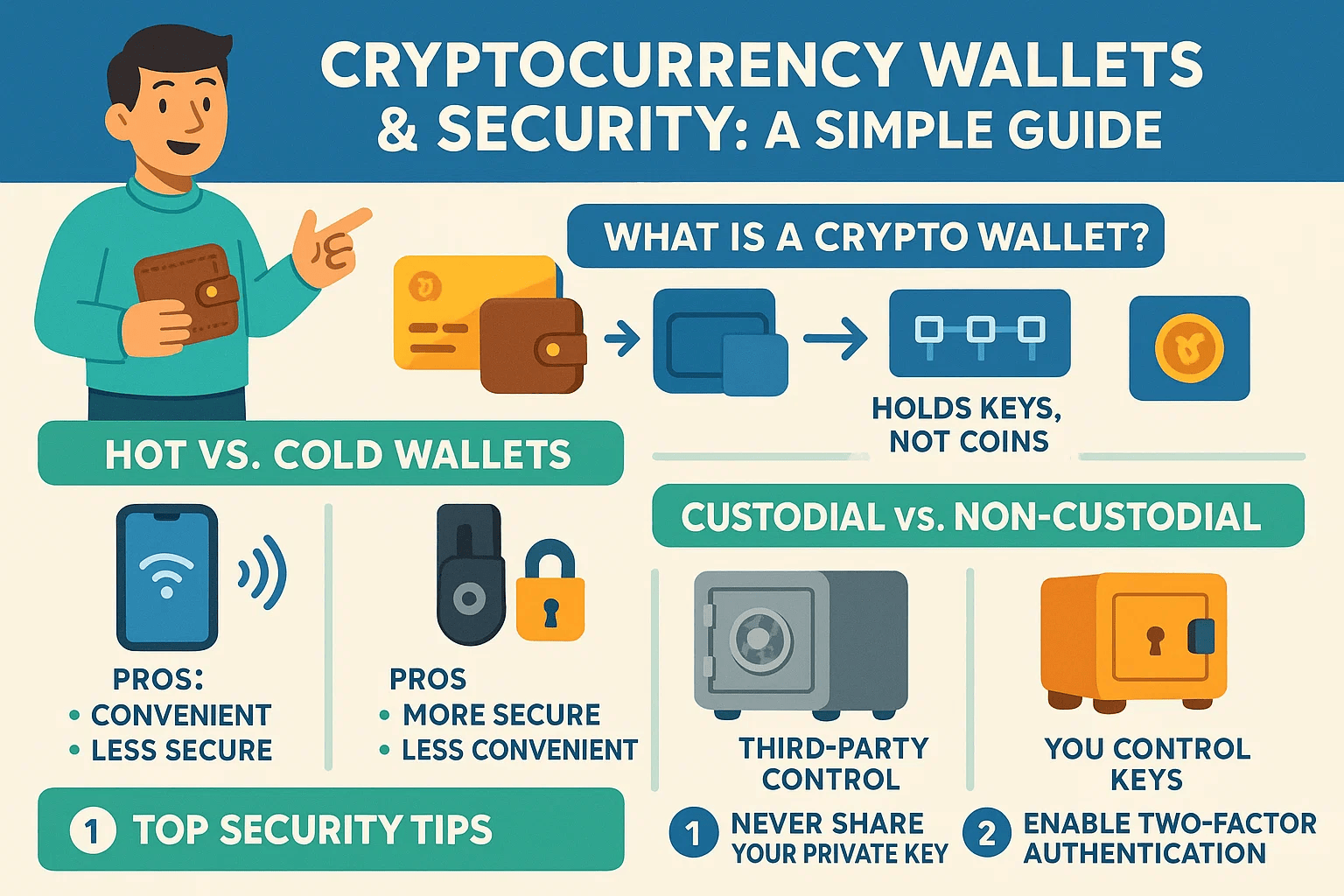
Sending Bitcoin on an Ethereum (ERC-20) network or vice versa will result in irreversible loss. Platforms must clearly label which blockchain network is supported for each tipping wallet. Before sending, confirm that the sender’s wallet and the recipient’s address share the same network protocol. This verification step is the most common point of failure in crypto transactions.

Low fees can cause transactions to stall in the mempool for hours or days. For tipping, speed often matters more than saving a few cents in gas. Use dynamic fee estimators built into reputable wallets to set a priority fee that ensures confirmation within the next block or two. This prevents the awkwardness of a tip that never arrives.
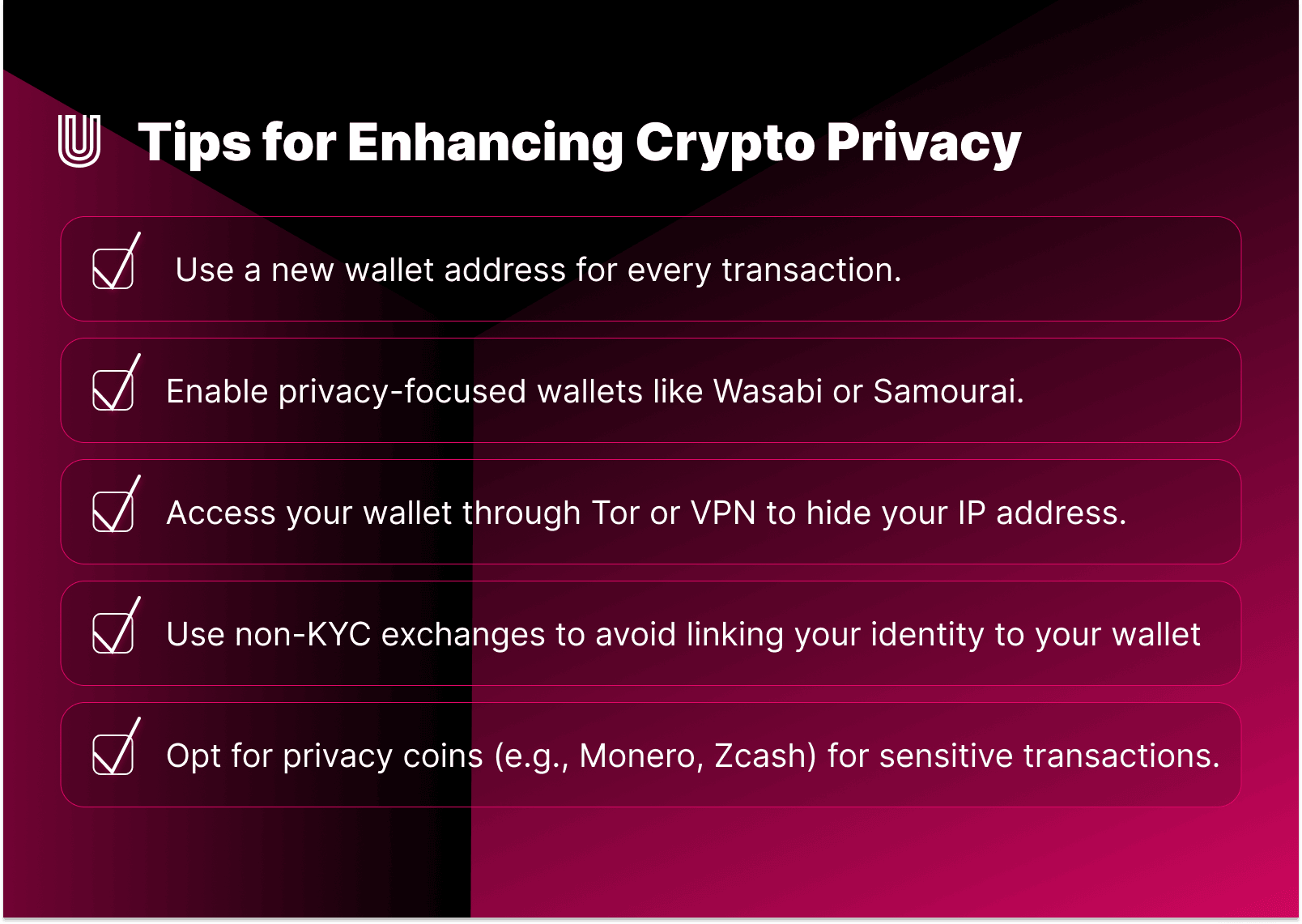
The IRS and other tax authorities treat cryptocurrency as property. Every tip received is a taxable event based on the fair market value at the time of receipt. Platforms should provide automated transaction reports or integrate with crypto tax software to help creators track their income accurately. Failure to report these can lead to significant penalties during audits.
For high-volume platforms, single-key wallets are a liability. Implement multi-signature (multisig) wallets that require multiple approvals to move funds. This adds a layer of security against internal theft or compromised private keys. While this adds slight complexity to the workflow, it is essential for protecting creator funds at scale.
By following this structured approach, creators can minimize risk and maximize the efficiency of their crypto tipping infrastructure. The initial setup effort pays dividends in security and compliance.
Crypto Tipping FAQs
Here are answers to common questions about how crypto tipping works and the tax rules that apply.
What is tipping in crypto?
Tipping is a feature on platforms like X that lets you add links to third-party payment services on your profile. When enabled, supporters can tap the icon to send money or Bitcoin directly to you via those services X Help Center.
What is the 30 day rule in crypto?
The "30-day rule" usually refers to the wash sale rule under 26 U.S. Code § 1091. If you sell a crypto asset at a loss, you generally cannot claim that loss if you buy the same or substantially identical asset within 30 days. This rule prevents investors from artificially lowering their tax liability through rapid repurchasing TokenTax.
What crypto will 1000x?
Predicting which cryptocurrency will increase by 1,000 times is highly speculative and unreliable. While some projects claim high growth potential, no one can guarantee these returns. Tipping infrastructure focuses on stable, functional payments rather than speculative asset appreciation.
No comments yet. Be the first to share your thoughts!