What is crypto-enabled tipping
Crypto-enabled tipping is the act of sending digital assets as gratuities instead of traditional fiat currency. While the gesture mirrors traditional tipping—rewarding good service or content—the underlying mechanics are fundamentally different. Instead of relying on credit card networks or bank transfers, crypto tipping moves value directly between wallets on a blockchain.
The most immediate difference is speed and cost. Traditional tipping involves intermediaries that can take days to settle and often charge processing fees that eat into small amounts. Crypto transactions settle in minutes or seconds, regardless of the sender’s or recipient’s location. This makes it possible to send a $1 tip globally without the fee exceeding the tip itself.
Global accessibility is another major advantage. A freelance designer in Berlin can receive a tip from a client in Tokyo without worrying about currency conversion rates or international wire fees. The recipient holds the asset in their wallet, giving them full control over whether to spend it, hold it, or convert it to local currency later.
This infrastructure shift changes tipping from a localized, bank-dependent transaction into a borderless, peer-to-peer interaction. It lowers the barrier for both the tipper and the receiver, making micro-transactions practical and efficient.
The technical backbone of crypto tipping
Crypto tipping works through a specific set of infrastructure layers that handle the movement of value. Unlike traditional payment processors that route money through banks, crypto tipping relies on digital ledgers to settle transactions directly between sender and receiver. This direct settlement is what allows tips to move instantly across borders without the friction of currency conversion or intermediary fees.
Stablecoins for predictable value
Most tipping platforms prefer stablecoins like USDC or USDT over volatile assets like Bitcoin or Ethereum for the actual transaction. A stablecoin is a cryptocurrency pegged to a stable asset, usually the US dollar. This peg ensures that when someone tips $5, the creator receives roughly $5 in value, regardless of market swings. Without stablecoins, a creator might see the value of their tip drop by 10% in an hour, turning a generous gesture into a net loss. This stability makes crypto tipping a practical tool for daily interactions rather than just speculative holding.
Layer 2 solutions for low fees
The second critical component is the network layer. Using the main Ethereum blockchain for small tips is often too expensive due to gas fees. Layer 2 (L2) solutions, such as Arbitrum, Optimism, or Base, process transactions off the main chain and then batch them back to it. This approach drastically reduces costs, often to less than a cent per transaction. For a $1 tip, a $0.50 fee would make the transaction pointless. L2s make micro-transactions economically viable, ensuring that the majority of the tip reaches the recipient.
How the pieces connect
When you send a tip, the request travels through the tipping platform’s interface. The platform identifies the recipient’s wallet address and the preferred stablecoin. It then constructs a transaction on the appropriate Layer 2 network. The network validates the transaction and updates the ledger. Finally, the recipient’s wallet reflects the new balance. This entire process takes seconds and costs fractions of a cent, creating a seamless experience that mirrors traditional digital payments while leveraging blockchain transparency.



As an Amazon Associate, we may earn from qualifying purchases.
Top crypto-enabled tipping tools
The landscape for crypto tipping has shifted from niche experiments to integrated features on major platforms. Creators and businesses no longer need to build custom smart contracts to accept digital assets. Instead, they can leverage existing infrastructure that handles wallet connections, gas fees, and compliance.
Below is a comparison of the leading tools currently facilitating crypto tips for content creators and community platforms.

Comparison of tipping platforms
| Platform | Supported Chains | Integration Method | Primary Use Case |
|---|---|---|---|
| X (Twitter) Tips | Bitcoin (Lightning), Ethereum, Solana | Native Profile Feature | Social media creators |
| Discourse Crypto Plugin | Ethereum (ERC-20) | Open-source Plugin | Forum communities |
| Rumble | Bitcoin (Lightning) | Native Integration | Video creators |
| Gitcoin Grants | Ethereum, Polygon, Optimism | Smart Contract | Public goods funding |
X’s native "Tips" feature allows users to add links to third-party payment services directly to their profiles. This includes support for Bitcoin via Lightning Network and various ERC-20 tokens, making it one of the most accessible entry points for mainstream creators. The feature removes the friction of manual wallet addresses, allowing supporters to send tips with a single tap.
For community-driven spaces, the Discourse Crypto Plugin offers a robust solution for forums. By integrating MetaMask, it enables users to transfer ETH or ERC-20 tokens directly within the discussion thread. This is particularly useful for open-source projects and decentralized communities where tipping is a form of social signaling and support.
Video platforms are also catching up. Rumble, for example, has enabled Bitcoin tipping for its large user base, leveraging the Lightning Network for instant, low-cost transactions. This integration allows creators to receive tips in real-time without the delay or high fees associated with on-chain Ethereum transactions.
Gitcoin Grants provides a more structured approach for public goods. While not a direct "tip jar" in the traditional sense, it allows users to fund developers and projects using Ethereum, Polygon, or Optimism. This tool is essential for creators in the web3 space who rely on community funding for open-source development.
When choosing a tool, consider the audience's wallet preferences. If your community is heavily invested in Bitcoin, Lightning Network integration is non-negotiable. For Ethereum-native communities, ERC-20 support via MetaMask is the standard. Always verify the current supported chains on the provider's official documentation, as these lists can change rapidly.
The economics of crypto tipping
Crypto tipping is shifting from a niche novelty to a standard feature of online engagement. Unlike traditional payment processors that take a significant cut, cryptocurrency transactions allow creators to keep almost the entire tip. This efficiency is the primary driver behind the growing adoption among independent content creators and community managers.
The economic incentive is straightforward. On platforms where creators rely on audience support, reducing friction and fees directly impacts income. A $5 tip via credit card might net the creator $4.50 after processing fees. The same $5 in stablecoins or Bitcoin often arrives in full, minus only minimal network gas fees. This margin matters more than it seems when volume is low.
Adoption trends show a clear preference for speed and low cost. Users are increasingly drawn to assets that settle quickly and cheaply. While Bitcoin remains a recognizable brand, many tipping interactions now utilize Layer 2 solutions or stablecoins to avoid volatility and high transaction costs during peak times.
Setting up your tipping workflow
Getting crypto tipping infrastructure running is less about complex coding and more about connecting the right tools. You need a way to receive funds, a way to display your address, and a way to manage the incoming assets. Think of this as building the plumbing for your digital wallet.
Follow these steps to configure a basic, functional tipping setup.
Start with a self-custody wallet that supports the specific chains you want to accept. For Bitcoin, options like BlueWallet or Sparrow Wallet offer clear address generation. For Ethereum or Solana, wallets like MetaMask or Phantom provide the necessary interface. Ensure you have backed up your seed phrase securely before proceeding.

Create unique deposit addresses for each currency you plan to accept. If you are using a service like BTCPay Server or Coinbase Commerce, these addresses are generated automatically. For direct wallets, copy the address from your receive tab. Always send a small test transaction to yourself first to confirm the address is correct and the network is active.
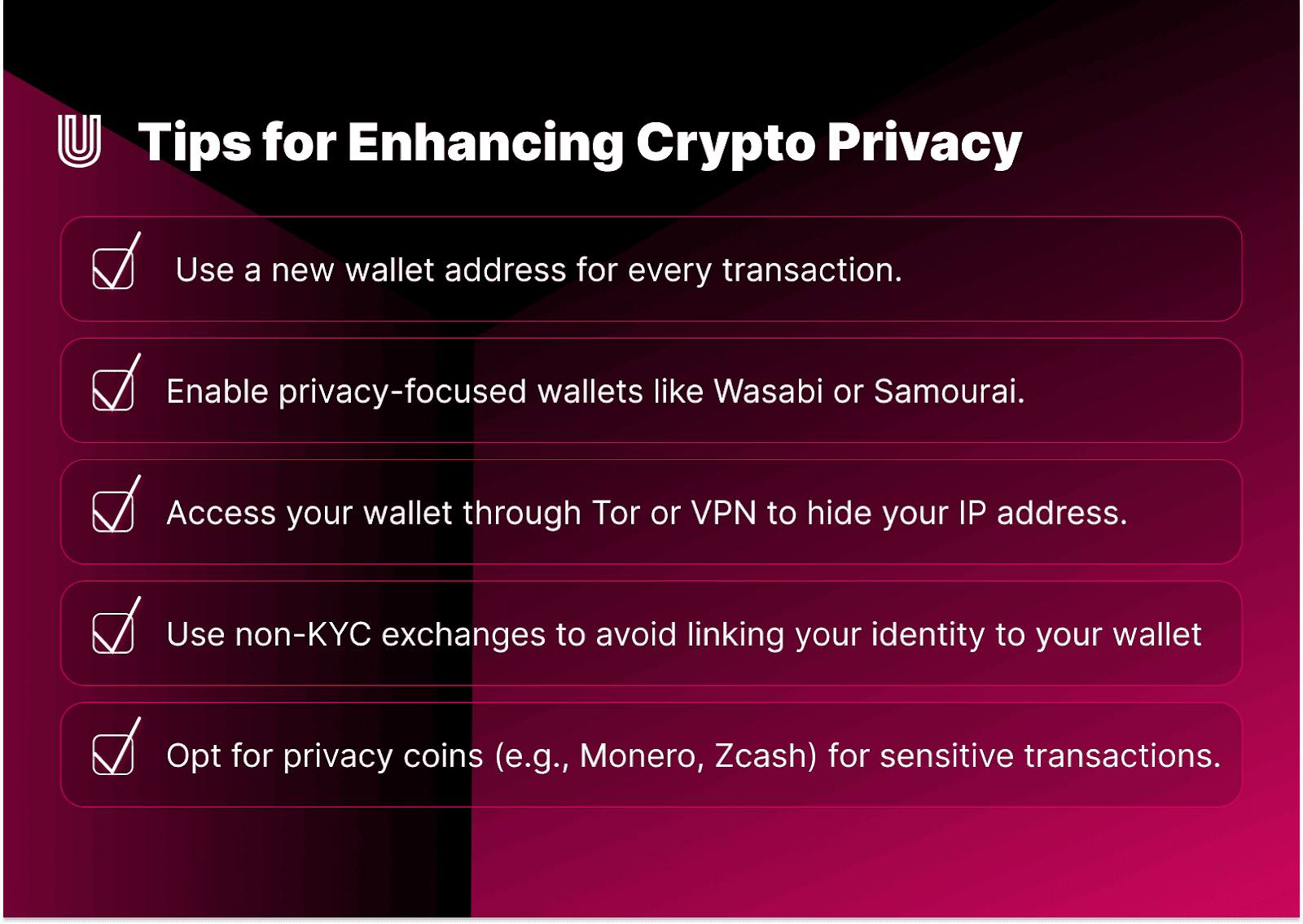
Link your wallet to a tipping interface. On X (formerly Twitter), you can add third-party payment links directly to your profile bio. For websites, embed a simple QR code or use a plugin like WooCommerce Crypto Payments. This step makes it easy for supporters to find your address without you having to copy-paste long strings of text manually.

Crypto tips are often taxable events depending on your jurisdiction. Connect your receiving wallet to a portfolio tracker like Koinly or CoinTracker. These tools sync with your wallet history to categorize incoming tips as income or capital gains, saving you from manual spreadsheet entry during tax season.
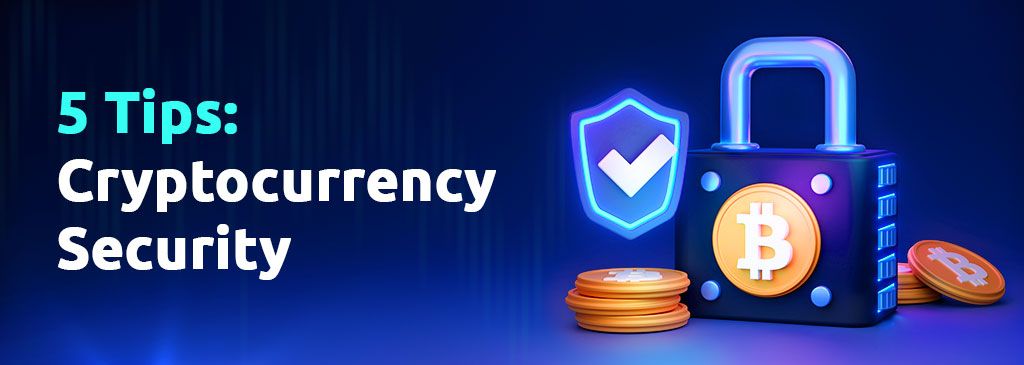
Regularly move small tips to a cold storage wallet if you are not actively spending them. Use a hardware wallet like Ledger or Trezor for long-term storage. Enable two-factor authentication (2FA) on any exchange or payment processor accounts linked to your tipping workflow to prevent unauthorized access.
Once these components are in place, your tipping workflow is live. You can start accepting support immediately, but always keep an eye on network fees and security updates for your chosen wallets.
Common questions about crypto tipping
Crypto tipping is often surrounded by confusion, especially when it intersects with tax laws and platform mechanics. Here are the most frequent questions we encounter from readers new to digital gratuities.
For the latest market context on Bitcoin and major tokens, check the live chart below. This helps you gauge whether current volatility might affect the value of your tip when it arrives.
No comments yet. Be the first to share your thoughts!