What is tipping in crypto?
Tipping in crypto is the act of sending digital currency to a content creator, service provider, or community member as a voluntary reward. Unlike traditional fiat tipping, which often involves credit card processing fees and settlement delays, crypto tips move directly on-chain. This creates a peer-to-peer transfer that bypasses traditional financial intermediaries.
The practice has evolved from niche forum donations into mainstream social media features. Platforms like X (formerly Twitter) now integrate "Tips" buttons that link to third-party payment services. When enabled, users can tap an icon to send Bitcoin or stablecoins directly to creators. This lowers the barrier for micro-transactions, allowing fans to support creators with amounts as small as a few cents without worrying about minimum transaction thresholds.
However, the infrastructure behind these tips varies significantly. Some platforms use centralized payment processors that handle the conversion and custody, while others rely on open-source plugins that connect directly to wallets like MetaMask. The choice of infrastructure affects transaction speed, cost, and privacy. For instance, on-chain transactions on networks like Ethereum can incur high gas fees during peak times, making small tips economically unviable. In contrast, Layer 2 solutions or stablecoins on low-fee chains allow for near-instant, low-cost transfers.
Understanding these mechanics is essential for anyone building a strategy around crypto-enabled tipping. The value proposition isn't just about accepting digital currency; it's about choosing the right rail for the audience. High-frequency, low-value tips require cheap, fast networks. Larger, occasional rewards might tolerate higher fees for the security of a mainnet. The market is currently fragmented, with no single standard dominating all use cases, but the trend is clearly toward seamless, embedded experiences that feel as simple as sending a tweet.
Crypto-enabled tipping choices that change the plan
Choosing a crypto tipping method requires balancing speed, cost, and reach. There is no single best option; the right choice depends on whether you prioritize instant settlement, low fees, or broad audience accessibility.
Settlement speed and finality
Instant finality matters for creators who want to know a tip has cleared immediately. Bitcoin and Litecoin often settle within minutes, while Ethereum and Solana can confirm in seconds. However, "instant" is relative. During network congestion, even fast chains can experience delays. For high-volume tipping, choose a chain with consistent block times and low congestion.
Transaction fees and network costs
Gas fees can eat into small tips. Tipping $5 in Bitcoin during a busy period might cost $2 in fees, making the tip inefficient. Stablecoins on Layer 2 networks or chains like Solana often cost less than a cent. Evaluate the average fee for your target chain. If your audience tips small amounts, high-fee chains will discourage participation.
Audience reach and fiat on-ramps
Most of your audience likely holds fiat, not crypto. Platforms like X (formerly Twitter) integrate with third-party payment processors that allow users to tip using credit cards, which the processor then converts to Bitcoin or fiat. This removes the friction of buying crypto for the tipper. If your goal is maximum participation, prioritize platforms with built-in fiat-to-crypto conversion.
Privacy and regulatory compliance
Crypto transactions are public. Some users prefer the pseudonymity of blockchain tips, while others worry about tax implications. Traditional payment processors often handle tax reporting (like 1099-K forms in the US), whereas direct crypto tips may place the reporting burden on the recipient. Consider whether your audience values privacy over the administrative ease of regulated processors.
| Network | Speed | Avg. Fee | Best Use Case |
|---|---|---|---|
| Bitcoin | 10-60 min | $1-$5 | Large, infrequent tips |
| Solana | < 1 sec | <$0.01 | Micro-tips and high volume |
| Ethereum L2 | Seconds | $0.10-$0.50 | Balanced speed and cost |
| Lightning Network | Instant | Fraction of a cent | Real-time micro-transactions |
Choose the next step: Turn the research into a practical decision framework
Building a crypto tipping infrastructure requires matching your audience's technical comfort with the right payment rails. The goal is frictionless support, not complex wallet management. Follow this sequence to select the correct tools for your specific use case.
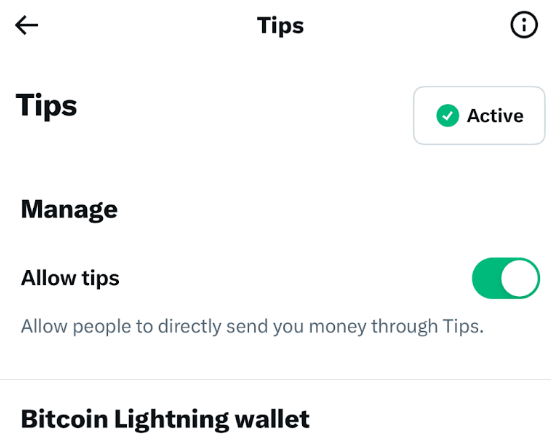
Start by choosing a provider that handles the blockchain complexity. Services like BTCPay Server or Coinbase Commerce act as the middle layer, converting crypto to fiat or stablecoins automatically. This removes the burden of managing private keys and gas fees for both you and your supporters. For social platforms, X’s native Tips feature integrates third-party processors directly, allowing users to send Bitcoin or stablecoins without leaving the app interface.

Embed the tipping mechanism where your audience already engages. For community forums like Discourse, open-source plugins such as the Discourse Crypto Tip System allow direct ETH or ERC20 transfers between users. On websites, place clear "Support Me" buttons near high-value content. The key is visibility: if users have to hunt for the tip button, conversion rates drop significantly. Keep the interface clean and the transaction flow under three clicks.
Decide which assets you accept. Bitcoin is the most recognizable for general tipping, but stablecoins like USDC offer predictable value for creators who need to cover bills. If you accept volatile assets, consider using a processor that auto-converts to fiat to protect your revenue. Clearly display the supported currencies on your tip page to avoid confusion. Most processors allow you to toggle specific networks (e.g., Lightning Network for Bitcoin, Polygon for ETH) to reduce transaction costs.

Before launching, simulate the entire flow as a new user. Send a small test tip from a different wallet or account. Verify that the notification arrives, the funds settle correctly, and the receipt is generated. Check mobile responsiveness, as most tipping happens on smartphones. If the process requires a desktop-only wallet or complex QR code scanning, simplify it. A smooth test run prevents lost revenue and frustrated supporters.


As an Amazon Associate, we may earn from qualifying purchases.
Spotting Weak Crypto Tipping Options
Not every "crypto tipping" tool delivers on its promise. Many platforms bundle unnecessary complexity, hidden fees, or poor liquidity into what should be a simple transaction. Before integrating a new solution, you need to separate marketing hype from actual utility.
Here are three common weak options to avoid:
The "Multi-Chain" Aggregator
Many tools claim to support ten or more blockchains to appear comprehensive. In practice, this often means fragmented liquidity and higher gas fees for users. If a platform forces a user to bridge assets just to send a $5 tip, the friction outweighs the benefit. Stick to single-chain or major L2 solutions where liquidity is deep and transaction costs are predictable.
Proprietary Token Requirements
Some platforms require both the sender and receiver to hold a specific native token. This creates a closed loop that restricts adoption. True crypto tipping should allow users to send standard assets like Bitcoin or Ethereum without forcing them to buy an intermediate token first. If the onboarding process involves buying a new token, it is likely a loyalty scheme, not a tipping infrastructure.
Opaque Fee Structures
Look for platforms that do not clearly display network fees before confirmation. A good tipping tool shows the exact amount the recipient will get. If the fee is deducted from the tip amount without warning, or if the platform takes a cut on top of gas, it is a weak option. Transparency is non-negotiable for trust.
How to Evaluate Tipping Infrastructure
When choosing a tipping tool, focus on three concrete checks:
- Settlement Speed: Does the tip settle in seconds or minutes? Slow confirmation times kill the spontaneity of tipping.
- Recipient Control: Can the receiver withdraw funds to a standard wallet or bank account easily? Lock-in features are a red flag.
- User Experience: Is the process fewer than three clicks? If it requires more, adoption will stall.
Avoid platforms that prioritize novelty over reliability. The best crypto tipping tools feel invisible; they just work.
Key Takeaways
- Avoid multi-chain aggregators with fragmented liquidity.
- Reject tools requiring proprietary tokens for basic transactions.
- Choose platforms with transparent, upfront fee structures.
- Prioritize settlement speed and ease of withdrawal.
Crypto-enabled tipping: what to check next
Crypto tipping is the practice of sending small amounts of cryptocurrency as a gesture of appreciation, functioning like a digital tip jar. Platforms like X allow creators to link third-party payment services, letting supporters send money or Bitcoin directly from their profiles. This system bypasses traditional banking rails, enabling instant global support without intermediary fees.
Most crypto-enabled systems let you add a tip before confirming the transaction. This mirrors local customs, such as tipping at US buffets, but with blockchain transparency. You can choose the amount and network, ensuring the recipient gets the value you intend without currency conversion delays.
For developers and writers, tools like tip.md offer multi-chain support through simple markdown buttons. This allows audiences to send ETH, Solana, or Bitcoin to specific wallets with a single click. It removes the friction of copying long addresses, making micro-tipping as easy as clicking a link.
The main tradeoff is volatility. Unlike fiat, crypto values fluctuate rapidly, meaning a $5 tip might be worth more or less by the time the recipient converts it. However, for creators seeking direct, borderless support, the efficiency often outweighs the price risk.
No comments yet. Be the first to share your thoughts!