Why crypto tipping matters now
Crypto tipping has moved from niche experiment to practical tool for creators and audiences alike. The shift isn't about speculation; it's about efficiency. Traditional payment processors often take 2% to 3% per transaction, plus fixed fees that eat into small tips. On-chain transactions, especially on Layer 2 networks or Lightning Network, frequently cost less than 1%, allowing more of your appreciation to reach the recipient.
This efficiency enables global reach without currency conversion headaches. Whether you're supporting a developer in Berlin, a musician in Tokyo, or a writer in New York, the transaction settles directly. There's no intermediary bank holding funds for days. This direct support model aligns incentives: creators get paid faster and in full, while fans pay less overhead.
Real-world adoption is already visible. Platforms like X (formerly Twitter) have integrated Bitcoin Lightning tipping, making it seamless to reward quality content. Discourse forums use tip.md to allow community members to send small crypto amounts to helpful contributors. These aren't theoretical use cases; they're active features changing how digital value flows.
The volatility of crypto often draws criticism, but for tipping, the speed and low cost outweigh short-term price swings. Many users convert fiat to stablecoins or use Lightning for instant, near-zero-cost transfers. The result is a more direct, fairer economy for digital creators.
Top platforms for crypto tipping
Choosing the right infrastructure depends on where your audience lives and how much technical friction you are willing to accept. The landscape has shifted from complex wallet setups to embedded buttons that feel native to the platform. Below is a comparison of the most reliable tools for 2026, followed by the hardware you might need to manage these assets securely.
| Platform | Supported Chains | Ease of Setup | Best For |
|---|---|---|---|
| X (Twitter) | Bitcoin (Lightning), USDC | Profile toggle | Social media creators |
| Discourse | Ethereum, ERC20 | Plugin install | Community managers |
| tip.md | ETH, SOL, BTC | Markdown snippet | Bloggers and devs |
| Cwallet | 15+ cryptos | Link generation | Multi-chain collectors |
X (Twitter) remains the most frictionless entry point for social creators. By enabling the "Tips" feature in your profile settings, you allow followers to send Bitcoin or stablecoins directly through the app interface. This integration leverages third-party payment processors to handle the off-chain or Layer 2 settlement, meaning your audience doesn’t need to manage a separate wallet to support you. It is ideal for creators who want to capture micro-tips without breaking the social flow.
For community-driven spaces, Discourse offers a robust open-source plugin that integrates MetaMask directly into the forum interface. This allows users to tip each other in ETH or ERC20 tokens within threads, fostering a self-sustaining economy within your community. While it requires a bit more technical configuration than X, it provides deep integration for forum administrators who want to incentivize high-quality contributions.
If you operate a blog or documentation site, tip.md provides a simple markdown button that supports multiple blockchains, including Ethereum, Solana, and Bitcoin. This tool is perfect for developers and technical writers who want to accept tips across different networks without managing multiple wallet addresses. It keeps the tipping option visible but unobtrusive, fitting naturally into long-form content.
For those who want to aggregate tips across various platforms and support a wide range of assets, Cwallet offers a "Tip Box" solution. This service allows you to accept over 15 different cryptocurrencies through a single, clean interface. It is particularly useful for creators who want to avoid cluttering their profiles with numerous wallet addresses while still offering flexibility to donors who prefer specific coins.

Essential Hardware for Secure Tipping
Managing crypto tips requires secure storage. If you receive significant value, consider using a hardware wallet to keep your private keys offline. Below are recommended devices for secure storage.


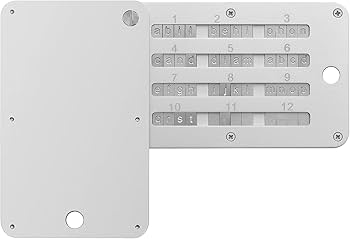
As an Amazon Associate, we may earn from qualifying purchases.
How crypto tipping actually works
When you send a crypto tip, you are choosing between two different roads. The Bitcoin Lightning Network is the fast lane, while on-chain transactions are the slower, heavier highway. Understanding this difference helps you pick the right tool for the job, whether you are tipping a creator on Twitter or supporting a Discord community.
Lightning Network: Fast and Cheap
The Lightning Network sits on top of Bitcoin to make transactions nearly instant and incredibly cheap. Think of it like sending a text message instead of mailing a letter. You can tip someone a few cents without worrying about high network fees eating up your gift.
This is the engine behind popular tipping integrations like Strike on X (formerly Twitter). When you use Strike, you are sending Bitcoin over Lightning. The recipient gets the funds immediately, and the fee is often a fraction of a cent. This makes micro-tipping practical. You can support small creators regularly without the transaction cost making the tip pointless.
On-Chain: Universal but Costly
On-chain transactions happen directly on the Bitcoin blockchain. They are more secure in the long term but slower and more expensive. During busy periods, network fees can spike, sometimes costing several dollars to send a transaction.
This method is universal. Every Bitcoin wallet can receive on-chain payments, even those not connected to Lightning. However, for small tips, the fees often outweigh the value. It is better suited for larger donations or long-term holding rather than casual, everyday tipping.
Making the Choice
For most daily tipping, Lightning is the superior choice. It removes the friction of high fees and slow confirmation times. On-chain remains important for settling large amounts or for wallets that do not yet support Lightning.
To understand the current state of the network, it helps to look at Bitcoin's price and activity. High volatility can impact the fiat value of your tip, but the network mechanics remain the same.
Setting up your tip jar in steps
Getting a crypto tip jar running is less about blockchain theory and more about picking the right tool for your audience. Whether you are a creator on X, a moderator on Discourse, or running your own site, the goal is to make sending a tip as frictionless as possible. Below is a practical workflow to get you live, using tools like Cwallet or built-in platform features.
Start by deciding where your audience hangs out. If you are on X, you might use a third-party service that integrates with your profile. For newsletters or blogs, platforms like beehiiv offer built-in tutorials for adding crypto tip jars. Alternatively, aggregators like Cwallet let you accept 15+ cryptocurrencies without cluttering your bio with multiple wallet addresses.
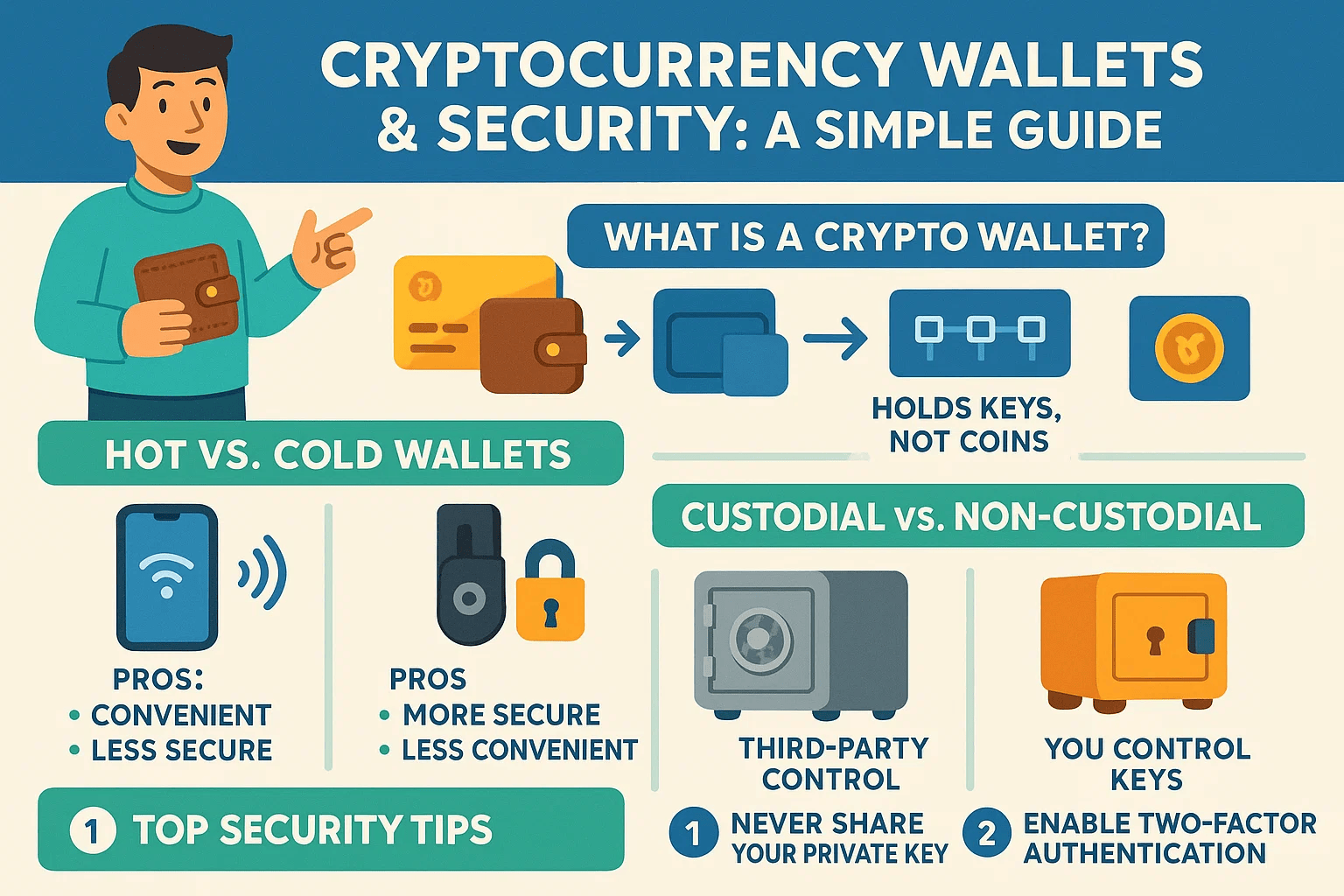
Link your wallet to the chosen platform. Most tools support popular wallets like MetaMask or Trust Wallet. Ensure you are using the correct network (e.g., Ethereum Mainnet, Polygon, or Solana) to avoid transaction failures. Double-check that the wallet address you connect is one you control and monitor regularly for incoming tips.

Before going live, send a test tip from a separate wallet or have a friend do it. Verify that the notification arrives and the funds hit your wallet. This step catches common errors like wrong network selection or incorrect address formats. It also helps you understand the processing time and any fees involved.
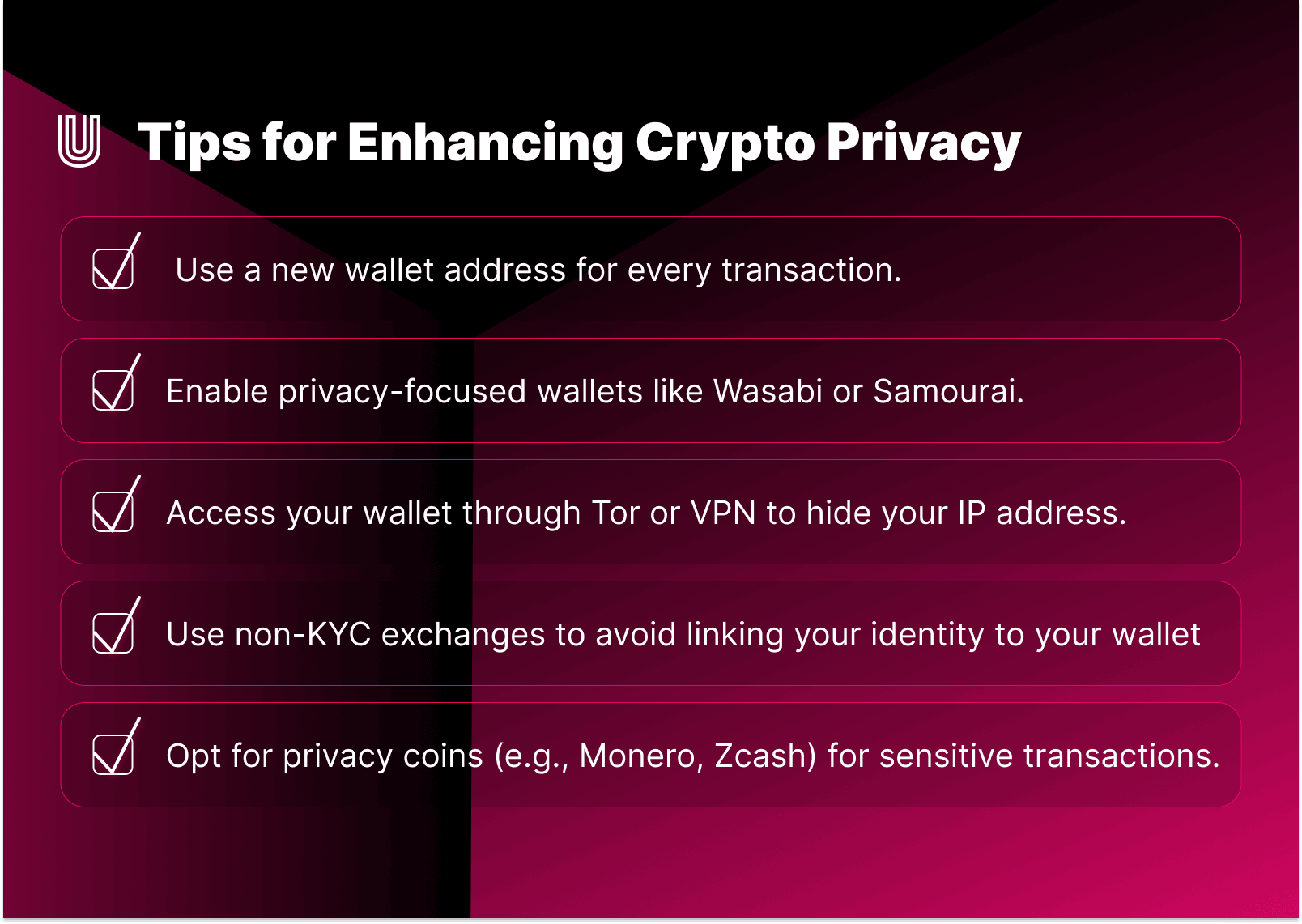
Make your tip jar visible. Add the link to your social media bios, video descriptions, or website sidebar. Use clear call-to-action text like "Support this content" or "Buy me a coffee." The more visible your tip link, the more likely your audience is to use it.
By following these steps, you create a seamless experience for your supporters. The key is to keep it simple and accessible, removing barriers so that appreciation can flow as easily as the content itself.
Integrating crypto tipping into your monetization strategy
Crypto tipping shouldn't exist in a vacuum. To make it viable long-term, you need to weave it into your broader income streams rather than treating it as a standalone novelty. The goal is to create a seamless layer of generosity that complements your existing subscriptions, sponsorships, or ad revenue.
Start by educating your audience on the "why." Many potential tippers are hesitant not because they lack funds, but because they don't understand the mechanics or fear losing value to volatility. Clear, simple instructions on how to send a tip—whether via a QR code, a dedicated link, or a platform like tip.md—reduce friction significantly. When users know exactly how to act, conversion rates rise.
Financial accuracy is non-negotiable. You must account for network fees and the potential for asset depreciation between the moment a tip is sent and when you convert it to fiat or stablecoins. Ignoring these variables can turn a profitable day into a net loss. Consider using stablecoins for daily operations to minimize exposure to market swings, while keeping a small portfolio of volatile assets for long-term holding if that aligns with your strategy.
Finally, treat your crypto community as a distinct segment. Engage with them on their terms, whether that's through Discourse forums or X spaces. Building trust in this space requires transparency about how tips are used and how you manage the associated risks. When your audience feels secure in the integrity of your platform, tipping becomes a sustainable habit rather than a one-off event.
No comments yet. Be the first to share your thoughts!