What crypto tipping actually is
Crypto tipping is a direct payment method that removes the middleman. Traditional processors often take significant cuts through fees and currency conversion, but crypto allows funds to move directly from your wallet to the recipient’s. This peer-to-peer nature ensures creators keep what they receive.
The main hurdle for digital currency has been transaction cost and speed. Sending Bitcoin on the traditional blockchain can cost more than the tip itself. The Lightning Network solves this by acting as a second-layer solution, enabling near-instant transactions with fees of fractions of a cent. This efficiency makes micro-tipping practical, allowing you to send small amounts without worrying about network congestion.
This shift has transformed crypto tipping from a niche experiment into a functional tool. Platforms like X (formerly Twitter) and Discourse have integrated these systems, allowing users to send Bitcoin or Ethereum directly through their interfaces. The result is a more efficient economy for content creators, where the barrier to entry is low and value transfer is immediate.
Comparing top tipping platforms
Choosing the right tool depends on where your audience lives and the friction you’re willing to introduce. Some platforms integrate directly into social feeds, while others require embedding widgets. Fees and supported networks vary significantly, impacting your bottom line and user experience.
The following comparison highlights four major options: X Tips, Discourse plugins, tip.md, and Cwallet.
| Platform | Supported Networks | Fee Structure | Ease of Setup |
|---|---|---|---|
| X Tips | Bitcoin (Lightning), Ethereum, Solana | ~1-2% + network gas | Native (no code required) |
| Discourse Plugin | Bitcoin (Lightning), Ethereum, LSP | ~1-2% + network gas | Moderate (plugin install) |
| tip.md | Ethereum, Solana, Bitcoin | ~1% + network gas | Easy (markdown button) |
| Cwallet Tip Box | 15+ cryptocurrencies | ~1% + network gas | Easy (widget embed) |
X Tips
X Tips is the most frictionless option for social creators because it lives natively within the platform. Users can tip without leaving the app, using Lightning Network for Bitcoin (near-zero fees) or standard chains for Ethereum and Solana. The trade-off is that you are limited to X’s ecosystem. If your audience is primarily on Reddit, Discord, or a personal blog, this tool offers no utility.
Discourse Plugins
For community forum owners, Discourse plugins like the Lightning Tip Bot are the standard. They allow users to tip directly in thread replies. Setup requires installing a plugin and configuring API keys, which is moderately technical but widely documented. These tools are ideal for keeping conversations and rewards within the same community space.
tip.md
tip.md offers a simple markdown-based solution for blogs or documentation sites. You add a button to your content, and users can tip via Ethereum, Solana, or Bitcoin. It’s less intrusive than a floating widget but requires the user to click through to a tipping interface. This is a great middle ground for content creators who want to monetize long-form articles without cluttering their design.
Cwallet Tip Box
Cwallet provides a "tip jar" widget that can be embedded on any website. It supports over 15 cryptocurrencies, making it versatile for audiences using diverse tokens. The setup is straightforward, usually involving a simple copy-paste of a widget code snippet. While it doesn’t integrate as deeply into social feeds as X Tips, its multi-chain support makes it a strong all-rounder for general web presence.


As an Amazon Associate, we may earn from qualifying purchases.
Setting up your crypto tip jar
Integrating a crypto tipping mechanism is less about complex coding and more about connecting the right tools. The goal is to lower the friction between your audience and your wallet. The process generally involves choosing a platform that handles the crypto complexity while you focus on your content.
The most common approach is using a dedicated tip box service. These platforms act as a middle layer, generating a single, clean link or widget that accepts multiple cryptocurrencies. This prevents you from having to paste long, confusing wallet addresses everywhere. For example, services like Cwallet allow you to accept over 15 different cryptocurrencies through one unified interface, keeping your profile clean and your transactions organized [src-serp-5].
If you already have a newsletter or a website, many platforms offer native integrations. Services like beehiiv have built-in tutorials and modules specifically for adding crypto tip jars directly to your subscriber base, making it feel like a natural part of your existing workflow rather than an add-on [src-serp-7]. This integration ensures that your audience can tip you without leaving the content they are already consuming.
1. Choose Your Primary Cryptocurrency
Before you build anything, decide which asset your audience is most likely to use. Bitcoin is the most recognized, but its network fees can be high for small tips. Ethereum offers smart contract capabilities but also suffers from congestion. Consider stablecoins like USDC for predictable value, or layer-2 solutions and the Lightning Network for near-zero fees. Your choice dictates the technical setup you will need.
2. Select a Tipping Platform or Widget
You need a tool to generate your receiving address and track incoming funds. Dedicated services like Cwallet or WalletConnect provide widgets that can be embedded in websites or social media profiles. If you are using a newsletter platform like beehiiv, check if they have a native integration. These tools handle the security and multi-chain support so you don't have to manage private keys for every transaction manually.
3. Generate and Test Your Wallet Address
Once your platform is selected, generate your unique receiving address or link. Do not skip the testing phase. Send a small amount of your chosen cryptocurrency from a separate wallet to your new tip address. Verify that the transaction confirms and that the funds appear in your dashboard. This step catches any configuration errors before you go live to your audience.
4. Embed the Tip Mechanism
Place your tip link or widget where it is easily accessible but not intrusive. For social media, this might be a "Link in Bio" tool. For websites, place it in the sidebar or at the end of articles. The key is visibility without annoyance. If you are using a newsletter platform, the tip button should be integrated into the footer or header for easy access.
5. Monitor and Adjust
After going live, watch how your audience interacts with the tip jar. Are they tipping in the currency you expected? Are the transaction fees eating into the tips? Use this data to adjust your strategy. You might switch to a different network if fees are too high, or promote a specific stablecoin if volatility is a concern.

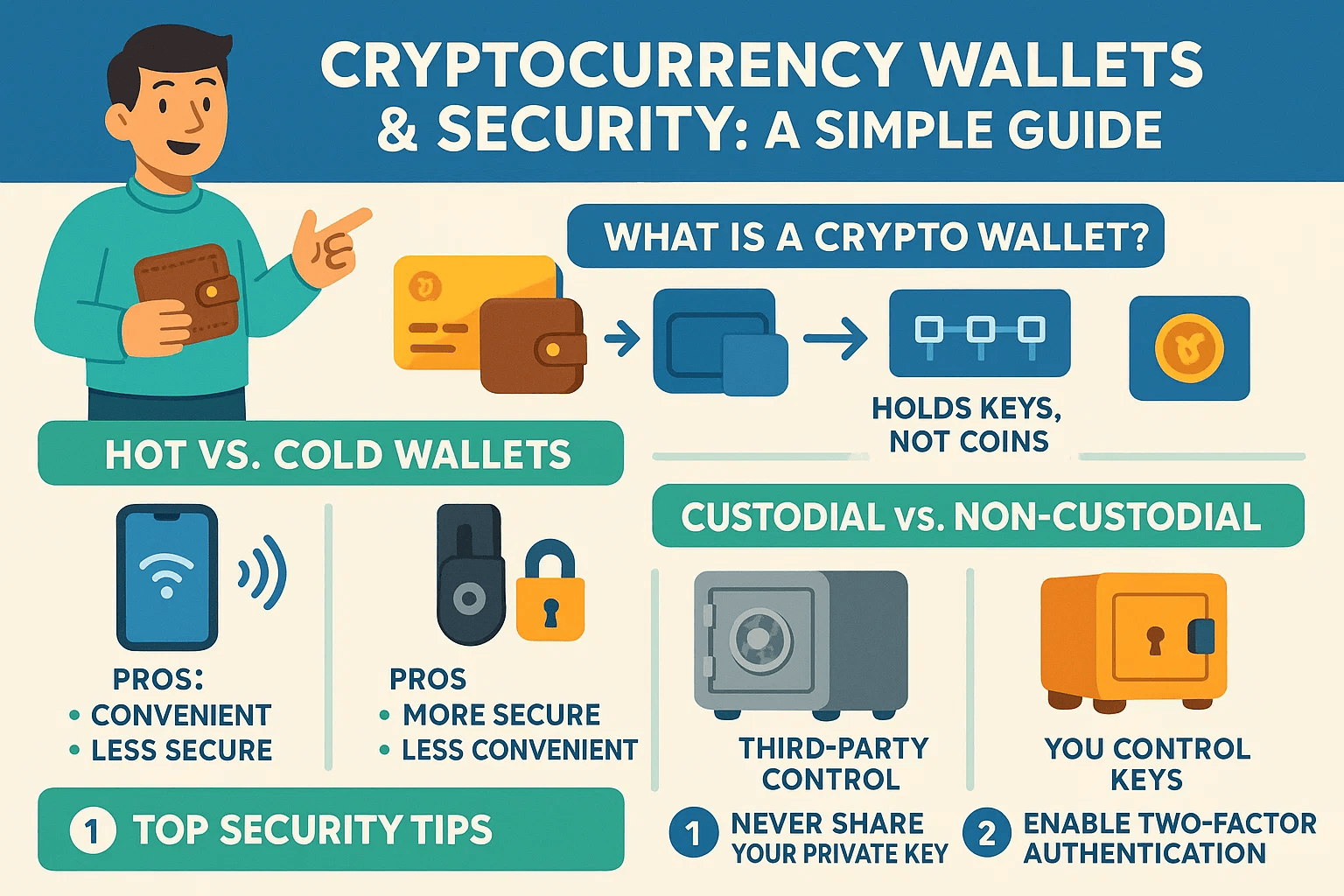
Start by setting up a secure, non-custodial wallet. This is your primary vault. Ensure you have backed up your seed phrase offline. This wallet will receive the tips, so security is paramount. Do not use an exchange account if you want full control over the funds.
Select a platform that supports your chosen cryptocurrencies. Services like Cwallet or WalletConnect simplify the process by handling multi-chain transactions. If you are a newsletter writer, check for native integrations like those in beehiiv. These platforms often provide pre-built widgets that are easy to embed.
Generate your unique tip link or widget code. Test it thoroughly by sending a small amount of crypto from a different wallet. Verify that the transaction confirms and that the funds appear in your dashboard. This step ensures that your setup is working correctly before you share it with your audience.
How crypto tipping fees and volatility shape payouts
Crypto tipping changes how creators get paid by removing the middleman, but it introduces new variables around cost and asset stability. Unlike traditional payment processors that take a flat percentage, crypto transactions involve network fees and potential asset slippage. Understanding these mechanics is essential for keeping tips efficient and valuable.
Network fees and stablecoin advantages
Transaction fees on the blockchain can vary wildly depending on network congestion. On legacy networks like Ethereum, a single tip might cost several dollars, making small tips impractical. This is why many creators now prefer Layer 2 solutions or the Lightning Network, where fees drop to fractions of a cent.
Stablecoins like USDC or USDT offer a predictable fee structure and value stability. When you tip in a volatile asset like Bitcoin, the recipient faces two risks: network fees and price fluctuation. A $5 tip in BTC might be worth $4.80 by the time the creator converts it to fiat, depending on market movement during the transaction window.
Volatility and liquidity considerations
Receiving crypto tips means managing liquidity. If a creator holds volatile assets, they are exposed to market swings. Many platforms now offer instant conversion to fiat or stablecoins at the point of receipt, shielding creators from this risk. However, these conversion services often charge a small spread or fee.
For the tipper, the experience is generally seamless. Most modern tipping interfaces handle the blockchain interaction in the background, presenting a familiar "send" button. The key difference is that the underlying settlement happens on-chain, which is immutable and transparent.
The role of Bitcoin in tipping
Bitcoin remains the most recognized asset for tipping, largely due to its brand recognition and the maturity of its payment infrastructure. The Lightning Network has specifically addressed the fee and speed issues, making Bitcoin viable for micro-transactions. This has created a unique ecosystem where Bitcoin acts as both a store of value and a practical medium of exchange for daily interactions.
To understand the current market context, it helps to look at Bitcoin's price action. Volatility directly impacts the real-world value of tips, especially for larger amounts.
When evaluating crypto tipping platforms, the fee structure is often the deciding factor. While some platforms charge a flat fee, others take a percentage of the tip. For small tips, a percentage-based fee can be disproportionately high, eating into the value of the gesture. Always check the platform's fee schedule before setting up your wallet.
Choosing the right tool
The best crypto tipping infrastructure depends entirely on where your audience lives. There is no universal standard, so the goal is to match the payment rail to the platform's native behavior. Using the wrong tool creates friction that stops tips before they start.
For creators on social media, embedded solutions like X Tips are often the lowest-friction option. Because the tipping button lives directly in the app, users don't need to copy-paste wallet addresses or switch apps. This convenience comes at a cost, however. You are relying on third-party payment processors to handle the conversion and transfer, which can introduce delays or higher fees than self-custody methods. For a quick look at how Bitcoin's current market price impacts tip value, you can track the live rate:
If your community is technical or decentralized, self-hosted plugins offer more control. Tools like the Metamask integration for Discourse allow users to tip each other directly using ETH or ERC20 tokens. This approach removes the middleman entirely, keeping fees near zero and ensuring funds go straight to your wallet. The trade-off is technical complexity; you must manage the plugin, ensure security, and guide your users through wallet setup.
For businesses or high-volume operations, the Lightning Network remains the gold standard for micro-tipping. Its near-zero fees and instant settlement make it viable for tips as small as a single satoshi. If your audience is global and expects instant gratification, Lightning is the most practical choice. If they are casual social media users, stick to embedded social features. Match the tool to the user's comfort level, not just your technical preference.
No comments yet. Be the first to share your thoughts!