Defining crypto-enabled tipping infrastructure
Crypto-enabled tipping is the direct transfer of digital assets from one user to another, typically facilitated by a platform interface or a dedicated wallet. Unlike traditional fiat tipping, which routes payments through merchant processors and banking networks, crypto tipping operates on a peer-to-peer model. This distinction removes the middleman, allowing value to move instantly across borders without the friction of currency conversion or third-party settlement delays.
The infrastructure supporting this system rests on three layers: the wallet, the protocol, and the platform integration. The wallet serves as the user’s identity and storage, holding the private keys necessary to authorize transactions. The protocol—whether it’s a layer-1 blockchain like Bitcoin or Ethereum, or a layer-2 solution—provides the ledger and consensus mechanism. Finally, the platform integration acts as the bridge, embedding the tipping mechanism directly into the user experience so that sending a tip feels as simple as clicking a button.
Platform implementations vary in complexity. Some platforms, like X (formerly Twitter), integrate third-party payment services that allow users to send Bitcoin or other cryptocurrencies directly from their profiles. Others, such as the Discourse forum software, use open-source plugins to enable native ERC20 token transfers between users using MetaMask. In both cases, the underlying technology remains the same: a blockchain transaction initiated by the sender and confirmed by the network.
For creators and businesses, this infrastructure represents a shift in how value is exchanged online. It is not merely a novelty but a functional payment rail that bypasses the traditional financial system. By understanding the components—wallets, protocols, and integrations—users can better evaluate the efficiency and cost of crypto tipping compared to conventional methods.
Top tools for accepting crypto tips
Choosing the right tipping infrastructure depends on where your audience gathers. Whether you are building a community on a forum, posting content on social media, or managing a personal wallet, the tools available fall into three distinct categories. Each handles the mechanics of blockchain transactions differently, affecting fees, speed, and user experience.
Social media and content platforms
X (formerly Twitter) offers a native tipping feature that integrates directly with third-party payment processors. Users can add their wallet addresses to their profiles, allowing followers to send Bitcoin or stablecoins with a single tap. This method removes friction for casual supporters who do not want to navigate external wallets. For creators, it turns engagement into direct revenue without requiring complex setup.
For community-driven content, platforms like Discourse support open-source plugins that integrate with MetaMask. These tools allow users to transfer ETH or ERC20 tokens directly within forum threads. This is particularly effective for niche communities where trust is high and users are already familiar with self-custody. It keeps the financial interaction inside the platform, reducing drop-off rates.
Markdown and web integration
For bloggers, developers, and newsletter writers, tools like tip.md provide a simple way to accept multi-chain tips. You can embed a markdown button that supports Ethereum, Solana, and Bitcoin. This approach is ideal for technical audiences who appreciate transparency and direct support. It requires no backend development, just a snippet of code placed where you want the call-to-action to appear.
Direct wallet transfers
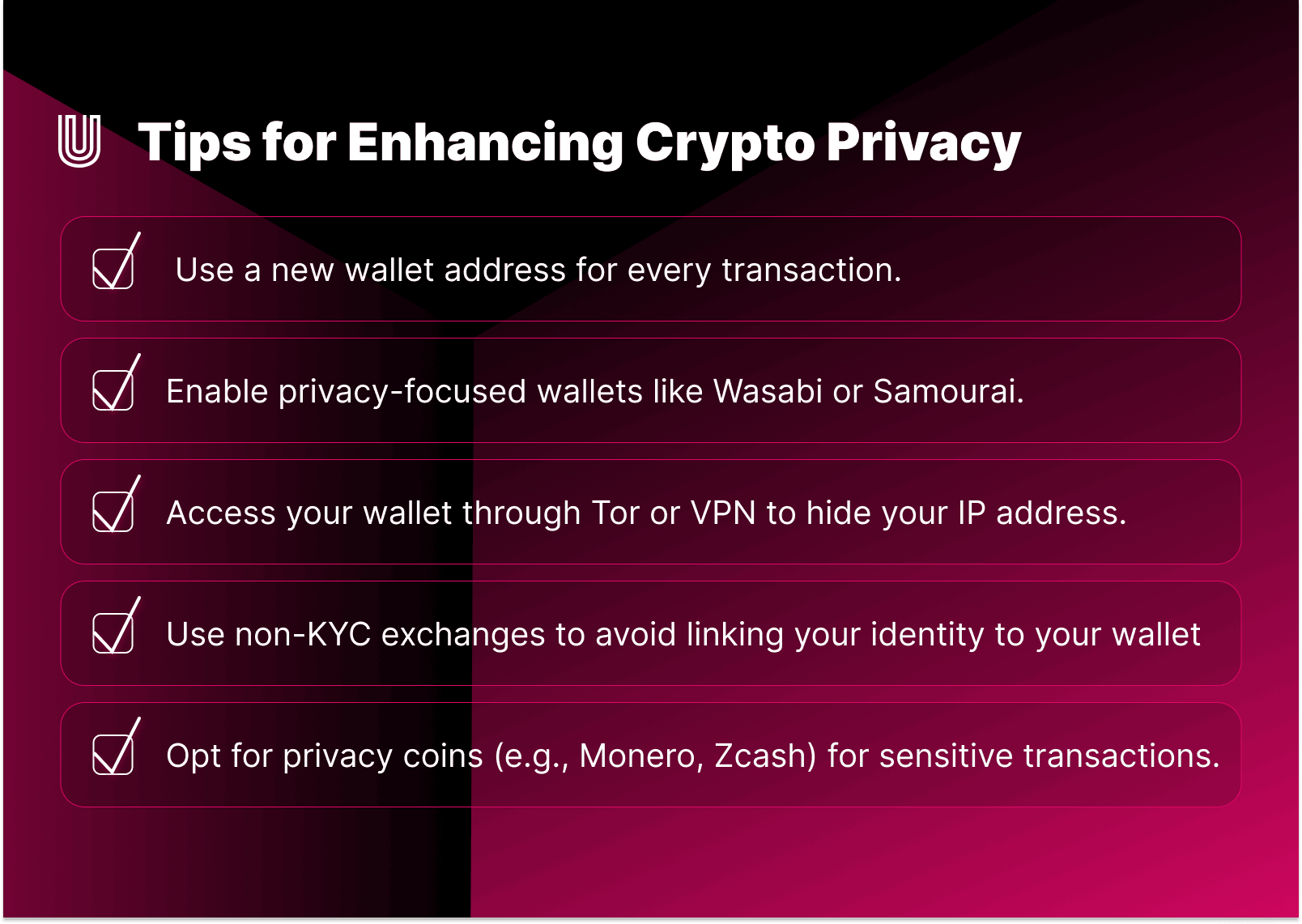
The most fundamental method remains direct wallet-to-wallet transfers. This requires no third-party platform or plugin. You simply share your public address or a QR code. While this offers the lowest fees and maximum privacy, it demands the highest level of user expertise. It is best suited for audiences who already understand how to manage their own keys and send transactions.
Comparison of tipping tools
The table below compares the primary options based on setup complexity, supported assets, and ideal use case.
| Tool | Setup Difficulty | Supported Chains | Best For |
|---|---|---|---|
| X Native Tips | Low | Bitcoin, Stablecoins | Social media creators |
| Discourse Plugin | Medium | Ethereum, ERC20 | Community forums |
| tip.md | Low | Multi-chain (ETH, SOL, BTC) | Blogs and developers |
| Direct Wallet | High | All | Privacy-focused audiences |
Strategy for crypto tipping adoption
Launching a crypto tipping feature requires balancing technical ease with regulatory clarity. In 2026, the infrastructure is mature enough that the barrier is no longer code, but trust. Businesses and creators must design systems that feel as frictionless as a cash tip while satisfying compliance requirements that vary by jurisdiction.
User education and onboarding
The biggest hurdle is not the transaction, but the user’s understanding of it. Most consumers do not hold crypto wallets. Your strategy should focus on "on-ramp" simplicity. If you are a creator, platforms like X allow you to link third-party payment services directly to your profile. This lets supporters send Bitcoin or stablecoins without navigating complex blockchain interfaces. For businesses, the terminal experience must be intuitive. As noted in industry guides, most crypto-enabled systems allow users to add a tip before confirming the transaction, mirroring the familiar flow of traditional card payments.
Fee structures and net revenue
Crypto transactions do not come with fixed interchange fees. Gas costs and network congestion can eat into small tips. A stablecoin-based tip jar often provides better margins for creators than native Bitcoin during high-traffic periods. To protect your net revenue, consider absorbing the first transaction fee or using layer-2 solutions that offer near-zero costs. For businesses, this means negotiating with payment processors who offer volume-based fee structures. Always calculate the effective fee after network costs, not just the processor’s stated percentage.
Regulatory compliance
Compliance is not optional. In the US, tipping is considered taxable income. Crypto tips must be reported at their fair market value in USD at the time of receipt. Failure to do so can result in significant penalties. Businesses should implement automatic transaction logging that converts crypto to fiat equivalents for accounting purposes. For creators, this means keeping a detailed ledger of all incoming tips. Consult with a tax professional familiar with digital assets to ensure your reporting aligns with IRS guidelines.
Market indicators
Adoption trends are closely tied to the stability of the underlying assets. Stablecoins, which are pegged 1:1 to the dollar, are becoming the preferred medium for tipping due to their predictability. This shift is reflected in broader market movements. Monitoring the performance of major stablecoins and the underlying blockchain networks can help you choose the right infrastructure.
Tipping volume and market impact
Crypto tipping isn't just a social nicety; it's a measurable pressure point in the broader market. When tipping volume spikes on platforms like X or Discord, it often correlates with short-term asset performance, particularly for Bitcoin and Ethereum. This isn't abstract theory—on-chain data shows that micro-transactions from creators and fans add up to significant liquidity flows.
The connection works both ways. Market sentiment drives tipping behavior: during bull runs, users are more willing to tip in volatile assets, while bear markets see a shift toward stablecoins or smaller, more cautious tips. This creates a feedback loop where engagement metrics can serve as a leading indicator for retail interest in specific tokens.
To understand this dynamic, look at the price action during major tipping events. The chart below shows how Bitcoin's price often reacts to periods of heightened on-chain activity, including tips, which can signal increased network usage and holder confidence.
Essential tools for crypto tipping
Managing crypto tips requires the right mix of software integrations and secure hardware. You need platforms that make sending and receiving straightforward, paired with storage solutions that protect your assets from common threats.
For content creators, integrating tipping directly into your workflow is the priority. Platforms like X allow you to link third-party payment services directly to your profile, letting fans send Bitcoin or stablecoins with a single tap X Help Center. If you run a community forum, Discourse offers an open-source plugin that connects Metamask to your site, enabling seamless ETH or ERC20 transfers between users Meta Discourse. For developers or bloggers, tools like tip.md provide a simple markdown button to accept tips across multiple blockchains, including Solana and Bitcoin tip.md.

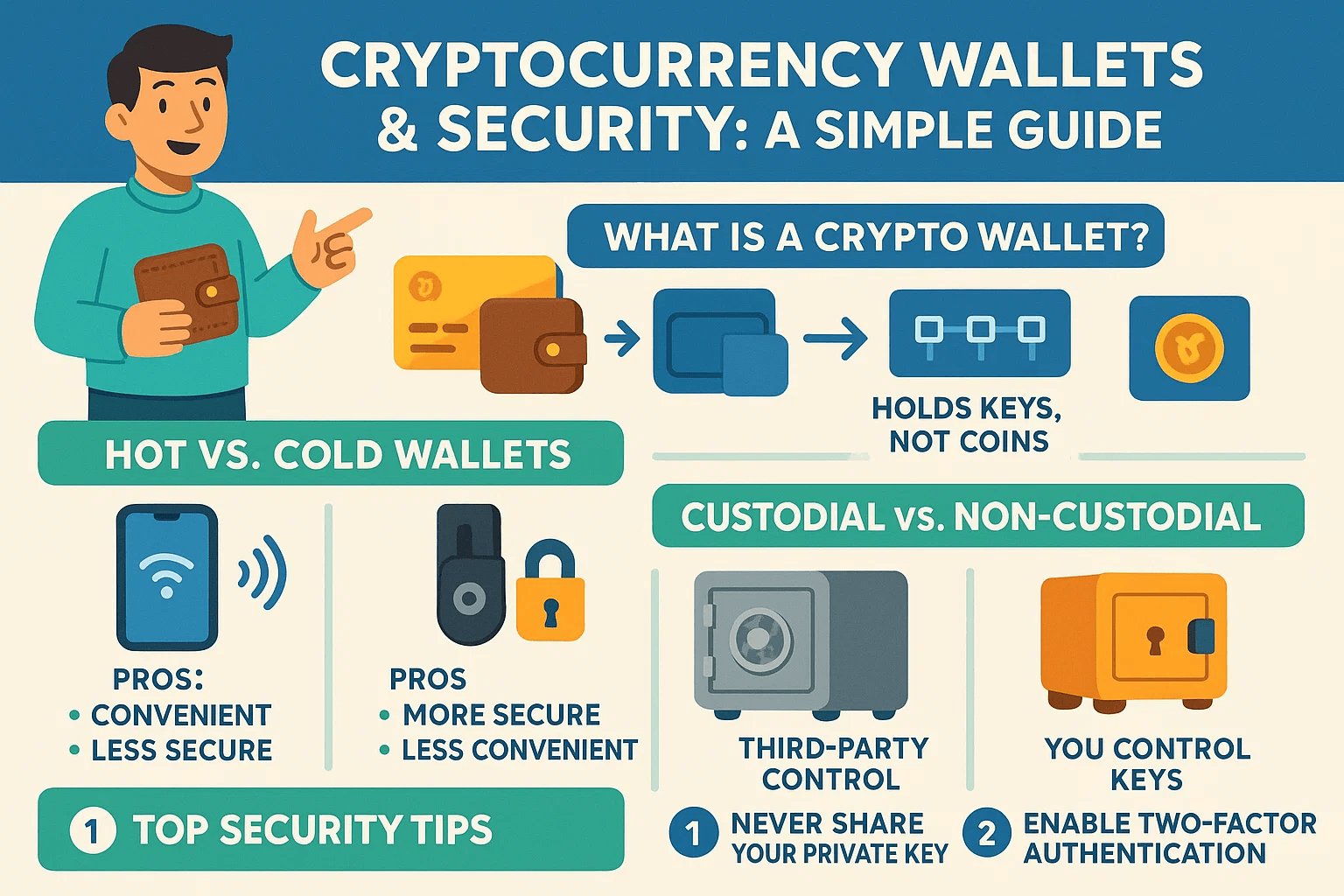
On the hardware side, security is non-negotiable. A hardware wallet acts as an offline vault for your tips, keeping private keys away from internet-connected devices. When selecting gear, look for devices that support the specific coins you expect to receive. Below are some recommended hardware wallets and tipping-related tech gear to help you get started.



As an Amazon Associate, we may earn from qualifying purchases.
Regardless of the tool you choose, always verify the receiving address before confirming any transaction. Crypto transfers are irreversible, so a small error in the address can result in permanent loss of funds. Use the official documentation for your chosen platform to ensure you are following the latest security protocols.
Frequently asked questions about crypto tipping
Crypto tipping is shifting from niche experimentation to mainstream social interaction. Platforms like X have integrated tipping features that connect directly to third-party payment services, allowing users to send money or Bitcoin off-platform with a single tap. This infrastructure lowers the barrier to entry, turning casual support into a seamless transaction.
What is tipping in crypto?
Tipping in crypto refers to sending digital assets—such as Bitcoin, Ethereum, or stablecoins—to content creators, community members, or service providers as a gesture of appreciation. Unlike traditional fiat tipping, which relies on banking rails, crypto tipping operates on decentralized ledgers. This enables near-instant settlement and lower fees, particularly for cross-border interactions. When you enable tips on social profiles, you are essentially linking a wallet address to a public-facing button, making it easy for followers to support you directly.
Do I need a crypto wallet to receive tips?
Yes, you need a self-custody or hosted wallet to receive crypto tips. However, the user experience varies by platform. Some social apps integrate wallet creation directly into the signup process, abstracting away the complexity of seed phrases and gas fees. For manual setups, you will need a compatible wallet like MetaMask or a mobile-native solution. The key is ensuring the wallet supports the specific tokens you wish to accept. If you only accept Bitcoin, a Bitcoin-only wallet is sufficient and often more secure than a multi-chain solution.
What are the tax implications of receiving crypto tips?
In many jurisdictions, including the United States, the IRS treats cryptocurrency as property. This means every tip received is a taxable event. You must report the fair market value of the crypto in USD at the exact moment of receipt. If you hold the asset and its value increases before you sell or spend it, you may also face capital gains tax. Keeping accurate records of each transaction is essential. Consult a tax professional to understand how local regulations apply to your specific situation, as rules for digital assets are evolving rapidly.
Is crypto tipping safe and irreversible?
Crypto transactions are immutable, meaning once a tip is sent, it cannot be reversed. This protects recipients from chargebacks but requires users to verify wallet addresses carefully. Scammers often pose as creators to solicit tips to fake addresses. Always double-check the wallet address or use a verified platform link. While the blockchain is secure, the off-chain interactions—such as phishing sites or fake social accounts—pose the primary risk. Use reputable platforms and enable two-factor authentication on your wallet to mitigate these threats.
No comments yet. Be the first to share your thoughts!